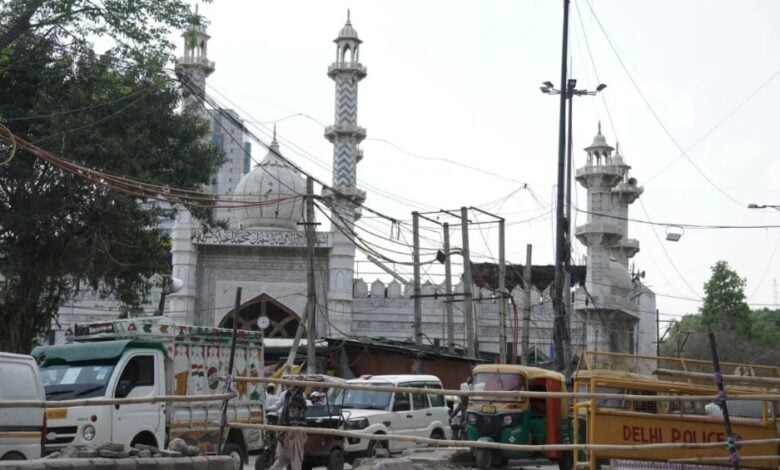

The recent demolition of the Faiz-e-Ilahi Mosque in Delhi has raised serious concerns over the implications for Muslim welfare services in the area. Local residents allege that the actions taken by the Municipal Corporation of Delhi, following a Delhi High Court order, have severely disrupted community healthcare and charitable initiatives, further marginalizing the local Muslim population.
Context of the Demolition
The historic Faiz-e-Ilahi Mosque, located near Turkman Gate, has been a hub for various community services, including low-cost healthcare and educational programs. The demolition, reportedly conducted using bulldozers, not only targeted the mosque itself but also significant facilities associated with it, such as a healthcare center, ablution areas, and community guest houses. Residents described the loss of these essential services as catastrophic, especially for low-income families who relied heavily on them for healthcare access.
Community Response and Clashes
In the wake of the demolition, tensions escalated between local residents and law enforcement. Reports indicate that the operation was met with resistance, resulting in arrests and clashes. Eyewitnesses claim that the police employed excessive force, disproportionately affecting members of the Muslim community. While some individuals arrested during these confrontations were later released on bail due to a lack of evidence, the atmosphere of fear and distrust has left a lasting impact on the community.
The Broader Implications for Muslim Welfare
This demolition serves as a critical example of the ongoing marginalization and exclusion of Muslim communities in India, particularly under the governance of the Bharatiya Janata Party (BJP) and its associated organizations. Community leaders have voiced their concerns regarding the financial and psychological implications of these actions, urging the government to restore welfare services and protect religious institutions. The actions taken against the mosque and its facilities appear to reflect a broader trend in which minority communities face increasing scrutiny and pressure, raising questions about the future of communal harmony in the region.
Why It Matters
The demolition of the Faiz-e-Ilahi Mosque highlights significant issues surrounding religious freedom, community welfare, and the impact of government policies on minority populations. For developers and policymakers, understanding the micro and macro social dynamics at play becomes crucial for fostering inclusive development strategies. Additionally, the potential backlash from such actions may lead to heightened tensions in communities, urging the need for dialogue and conflict resolution mechanisms to address underlying grievances.
Frequently Asked Questions
What triggered the demolition of the Faiz-e-Ilahi Mosque?
The demolition was initiated by the Municipal Corporation of Delhi following a Delhi High Court order related to a petition challenging the legality of the mosque’s structures.
What community services were affected by the demolition?
Key services disrupted included a healthcare center that offered low-cost medical services, the provision of medicines, and other community support programs for local residents, particularly those from low-income families.
Were there any incidents of violence during the demolition?
Yes, local residents reported clashes with law enforcement, alleging excessive use of force. Some individuals were arrested but were later granted bail due to a lack of evidence.
What are the concerns of the local community following the incident?
Residents have expressed concerns over the financial and psychological hardships imposed by the demolition, as well as the need for the restoration of welfare services and protection for religious and charitable institutions.