
India’s Depository Ecosystem on the Rise
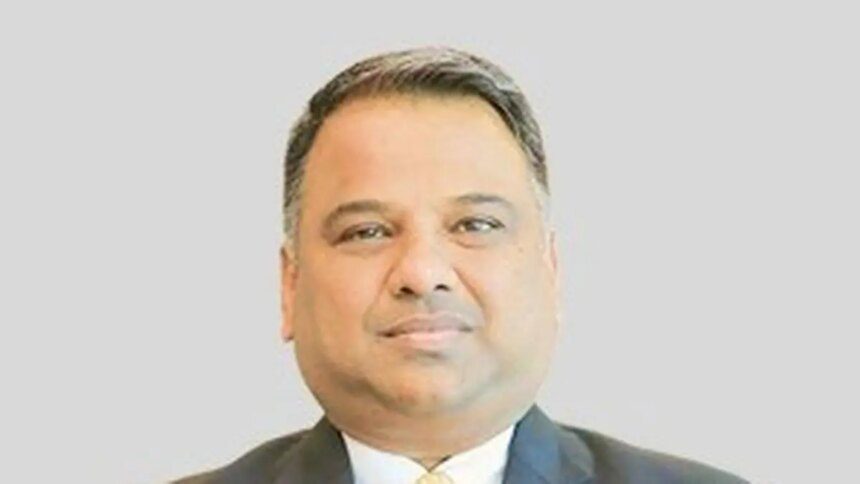
India’s depository system is witnessing unprecedented growth, with the investor base expanding from 5 crore in 2020 to a projected 23 crore by 2026. This surge, highlighted by Sameer Patil, Chief Business Officer of NSDL, underscores the increasing accessibility and participation in the capital markets, largely fueled by technological advancements.
Transformative Impact of Technology
At the Mid-Term conference of the Association of Investment Bankers of India (AIBI) 2026, Patil emphasized that technology has played a pivotal role in democratizing access to financial markets. The reach of capital market participation has extended significantly beyond major metropolitan areas, penetrating tier-1, tier-2, and tier-3 towns. NSDL, which currently operates over 57,000 service centers covering 99.9% of Indian pin codes, manages assets exceeding ₹550 lakh crore and serves more than 1,20,000 issuers, securing its position as the world’s largest depository by issuer count.
The Shift from Physical to Dematerialised Securities
This year marks the 30th anniversary of India’s first depository established under the Depositories Act, 1996. Patil highlighted the fundamental change from physical to dematerialised securities, which significantly mitigate risks associated with fraud and duplication. He pointed out that three core pillars—trust, technology, and reach—have been essential in bolstering investor confidence in Indian markets. This transformation towards digital securities has not only streamlined processes but has also enhanced the security and efficiency of transactions.
Innovation in Corporate Bonds: DMAT 2.0
In another significant development, Patil revealed the launch of DMAT 2.0 during the Global Fintech Festival. This initiative, which involves the tokenisation of corporate bonds backed by Central Bank Digital Currency, has been developed collaboratively by the Securities and Exchange Board of India (SEBI) and the Reserve Bank of India (RBI). This innovation not only modernizes the bond market but also opens new avenues for traders and investors in the rapidly evolving fintech landscape.
Looking Ahead: Future Projections
Patil forecasts that by 2047, the number of demat accounts in India could exceed the combined populations of the Americas and Europe. According to him, this trajectory signals a robust future for capital market participation. The continuous support from regulatory bodies like SEBI has been instrumental in attracting both domestic and foreign investments, laying the groundwork for sustained growth in the years to come.
What This Means
The rapid expansion of India’s depository ecosystem signifies a major shift towards inclusivity in the financial markets. As more individuals, especially from smaller towns, gain access to investing avenues, the landscape of capital markets will likely transform. This growth could enhance liquidity, diversify investment opportunities, and potentially stabilize market fluctuations through a broader base of participation. Furthermore, innovations like DMAT 2.0 exemplify India’s commitment to integrating technology into finance, paving the way for a more efficient market structure.
Frequently Asked Questions
What is a depository in the context of Indian financial markets?
A depository in India is a financial institution that holds securities such as stocks and bonds in electronic form, facilitating easier and safer transactions compared to physical certificates.
How has technology impacted investor participation in Indian capital markets?
Technology has broadened access to capital markets by enabling online trading and simplifying the process of investing, which has led to increased participation from diverse demographic groups, including those in smaller cities.
What are the implications of the DMAT 2.0 initiative?
DMAT 2.0 aims to revolutionize the corporate bond market by leveraging tokenisation, enhancing transparency, security, and efficiency, while also integrating Central Bank Digital Currency into bond transactions.
What is the future outlook for demat accounts in India?
By 2047, it is projected that the number of demat accounts in India could significantly grow, surpassing the combined populations of the Americas and Europe, reflecting an ongoing trend of increased financial engagement among Indian citizens.