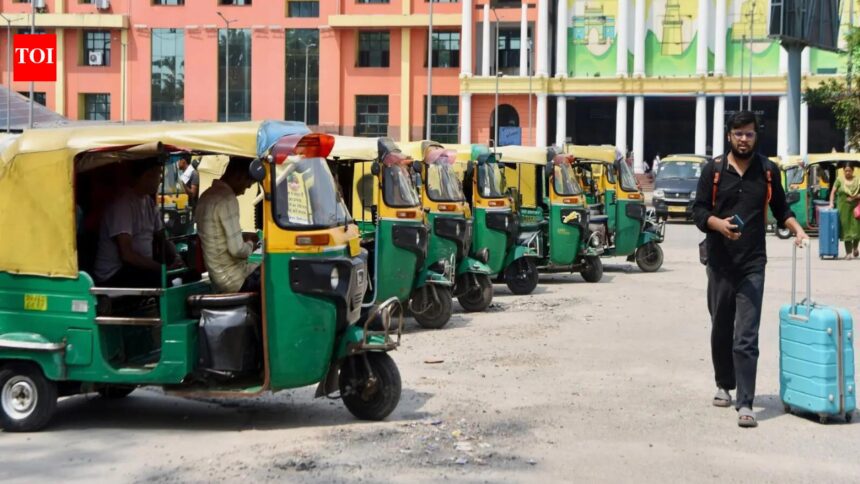

Commercial vehicle drivers’ unions in Delhi-NCR have declared a three-day strike from May 21 to 23, demanding an immediate increase in taxi and auto fares due to rising fuel prices and perceived exploitation by app-based cab aggregators. According to news agency ANI, the Chalak Shakti Union has submitted a letter to the Delhi Lieutenant Governor, Chief Minister, Transport Minister, and Police Commissioner, supporting a nationwide protest organized by the All India Motor Transport Congress.
The unions have expressed concerns that taxi fares in Delhi-NCR have remained unchanged for nearly 15 years, despite significant increases in the costs of CNG, petrol, and diesel, along with rising expenses for maintenance, insurance, permits, and fitness certificates. “Taxi fares are still being charged at old rates despite rising inflation, which has severely affected the livelihood of drivers,” the union stated in its letter.
The unions have warned that if the Delhi government does not revise fares within the next week or two, the agitation may escalate into a larger protest movement. Anuj Kumar Rathore, vice-president of the Chalak Shakti Union, emphasized that middle-class drivers are struggling to support their families due to the ongoing increases in fuel costs. A protest is planned at the Delhi Secretariat on May 23.
Drivers have also raised issues concerning app-based companies like Ola, Uber, and Rapido, accusing them of operating arbitrarily and imposing “economic exploitation and slavery-like conditions.” The union previously sought intervention from the Delhi High Court, which directed that the difficulties faced by taxi drivers be addressed and that fare increases be implemented.
The strike announcement coincides with rising fuel prices across the country. On Tuesday, petrol and diesel prices were raised by approximately 90 paise per litre, marking the second increase in less than a week. In Delhi, petrol prices rose from Rs 97.77 to Rs 98.64 per litre, while diesel prices increased from Rs 90.67 to Rs 91.58 per litre. Earlier, oil marketing companies had raised both petrol and diesel prices by around Rs 3 per litre, attributed to disruptions in global energy supplies linked to the Strait of Hormuz crisis.
The demand for fare revision follows recent calls from gig and platform workers across India for a temporary shutdown of app-based services, protesting against rising fuel costs and low payment rates. Drivers and delivery workers argue that, despite escalating fuel expenses, app-based fares have not been adjusted accordingly. “Every time fuel prices increase, our expenses go up immediately, but customer fares do not increase accordingly,” commented a cab driver. The sharp increase in crude oil prices in recent months, driven by conflicts in West Asia, has further intensified the financial pressure faced by drivers, while state-run fuel retailers continue to sustain under-recoveries on petrol and diesel sales.