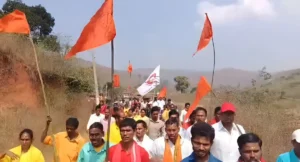
A case has been filed against Maulana Sajid Rashidi, president of the All India Imam Association, for allegedly making derogatory comments about Kanwariyas, a Hindu religious group. The police registered this case following a complaint from a Hindu activist amid rising tensions in communal relations in India.
Background of the Incident
On August 8, the Civil Lines police station in Muzaffarnagar district took action against Rashidi under Section 299 of the Indian Penal Code. This section addresses deliberate and malicious acts intended to insult religious beliefs. The complaint was filed by Narendra Panwar, a leader of the Hindu Sangharsh Samiti, who accused Rashidi of harming Hindu sentiments.
In his remarks, Rashidi allegedly targeted the Kanwariyas, who participate in an annual pilgrimage dedicated to Lord Shiva, by making comments that were considered derogatory. The incident has sparked protests led by Panwar and other Hindu activists, demanding swift action against the Maulana.
Political and Religious Reactions
UP Minister Kapil Dev Agarwal publicly condemned Rashidi’s comments, labeling them as detrimental to social harmony. He suggested that Rashidi has “lost his mental balance” and should be treated in a mental health facility in Agra. Such remarks reflect a broader political landscape where statements from religious leaders are increasingly scrutinized, often leading to significant backlash from the ruling party and affiliated groups.
The incident underscores the fragile state of inter-religious relations in India, where statements or actions by individuals from minority communities can provoke strong reactions from majority groups and political leaders, raising concerns about free speech and religious tolerance.
The Broader Context of Marginalization
This episode is representative of a larger trend in India, where minority communities, particularly Muslims, often face social exclusion and discrimination. The political climate, especially post-2014 with the rise of BJP and associated Hindu nationalist movements, has seen increased scrutiny and hostility towards Islamic leaders and communities.
Instances like these contribute to a climate of fear and marginalization among Muslims in India. The legal actions and public condemnations they face can serve as a deterrent for open expression, limiting participation in social and political discourse. As such, the ramifications extend beyond Rashidi and impact broader societal dynamics, leading to a fragmented social fabric.
Why It Matters
The incident illustrates the precarious position of religious minorities in India, especially Muslims, within a changing socio-political landscape. It raises critical questions about freedom of expression, the potential consequences of communal rhetoric, and the role of state and society in maintaining harmony.
Communal tensions exacerbated by specific incidents such as this can destabilize communities and hinder efforts towards inclusive governance and social cohesion. Understanding these dynamics is crucial for observers seeking to gauge India’s socio-political climate and its implications for minority rights and democracy.
Frequently Asked Questions
Who is Maulana Sajid Rashidi?
Maulana Sajid Rashidi is the president of the All India Imam Association, representing Muslim clergy across India.
What are Kanwariyas?
Kanwariyas are Hindu devotees who undertake a pilgrimage to fetch holy water from the Ganges River during the Shravan month as part of their devotion to Lord Shiva.
What does Section 299 of the Indian Penal Code entail?
Section 299 addresses deliberate and malicious acts aimed at outraging religious feelings by insulting religious beliefs of any class.
Why are comments about religious groups significant in India?
Comments about religious groups can spark communal tensions and have legal ramifications, reflecting the delicate nature of inter-religious relationships in India, especially in the context of rising nationalism.