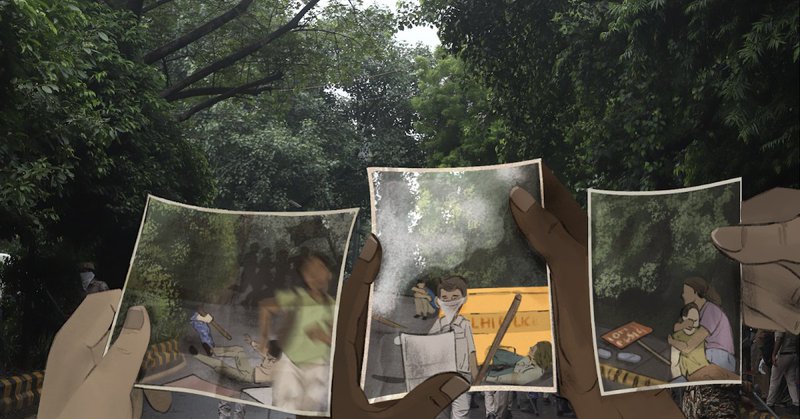

Two men from Delhi and Gujarat faced serious repercussions after they attempted to document and archive protests led by students. Following their initiative, they were doxxed, received threats, and were warned of potential police action, raising concerns over the safety of individuals pursuing political activism.
Context of the Protests
The protests in which these two men sought to document were likely linked to a broader wave of student activism in India, a trend that has increasingly gained momentum in recent years. Students across various universities have voiced their dissent against government policies affecting education, freedom of speech, and discrimination. This growing movement underscores the urgency for documentation and archiving as a means of preserving historical actions, struggles, and narratives.
Digital Activism under Threat
In an era where digital platforms allow for rapid communication and sharing of information, the case of these two men highlights the perils faced by digital activists in India. Their initiative, utilizing platforms like WhatsApp and ‘Unbadged,’ was intended to connect and inform participants of the protests. Instead, their efforts became targets for intimidation as their identities were revealed and their safety compromised. Doxxing, the act of publicly revealing private information, is an alarming tactic used to silence dissenters and instill fear among potential activists.
Impact of State Response
The state’s reaction to dissent, particularly through police threats and intimidation, is indicative of a concerning trend in the political climate of India. History has shown that such tactics are often used to suppress opposing voices, especially in the context of student movements. This crackdown not only hampers free speech and freedom of assembly but also sends a chilling message to others who might consider participating in or documenting similar movements. The political leadership’s approach raises questions regarding the foundational democratic values enshrined in the Indian Constitution.
Why This Matters
This incident is significant as it underscores the growing intolerance toward dissent within India’s political framework. The threats faced by the two men can serve as a cautionary tale for others involved in political activism, potentially discouraging future engagement. Moreover, such actions by state actors contribute to an atmosphere of fear that could stifle not just protests but also grassroots efforts aimed at social and political change. Understanding these dynamics is crucial for Indian citizens who value democratic processes and seek to engage in political discourse.
Frequently Asked Questions
Why were the two men doxxed?
The two men were doxxed as a form of intimidation after they publicly shared their efforts to document and archive student protests. This act aimed to discourage them and others from participating in or supporting the protests.
What is doxxing?
Doxxing is the act of publicly revealing someone’s private information without their consent, typically intending to harm or harass them. This tactic has become a significant method of online intimidation against activists and dissenters.
How do threats against activists affect freedom of speech?
Threats against activists significantly undermine freedom of speech by creating an environment of fear. Such intimidation tactics can prevent individuals from voicing their opinions or engaging in public discourse, essential components of a healthy democracy.
What are the implications of police involvement in such matters?
The involvement of police in threatening activists can imply state endorsement of aggressive tactics to deter dissent. This raises serious concerns about the rule of law, civil liberties, and the protection of fundamental rights in India, especially regarding free assembly and expression.