Escalating Tensions: A Community Under Siege
Dearborn, Michigan, has become a focal point of social discord as far-right anti-Islam activist Jake Lang organized a protest that drew hundreds of counter-protesters, escalating an already tense atmosphere. Amid increased security measures and several arrests, the incident has foregrounded the ongoing struggles Muslim communities face in the U.S., particularly amid rising anti-Muslim sentiment.
The Events Unfolded: Extremism in Action
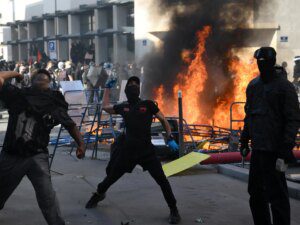
On a recent Tuesday evening, Lang led a gathering outside the Henry Ford Centennial Library, branding the event as the “Christian Crusaders’ March.” His inflammatory remarks targeting Islam incited altercations with counter-protesters who gathered to express solidarity with the local Muslim community. The protest prompted Dearborn Police to ramp up law enforcement presence, foreshadowing possible unrest—which they were prepared to manage. Several arrests occurred during the evening, although specific numbers were not disclosed immediately.
City officials, recognizing the fragile social fabric of Dearborn—a locale known for its vibrant Arab and Muslim population—advised residents to refrain from engaging with the provocateurs. As Mayor Abdullah Hammoud aptly put forth, such confrontations serve only to deepen societal divisions. In cooperation with Michigan Attorney General Dana Nessel, local authorities ensured an adequate security response to preserve public safety.
Historical Context: A Pattern of Provocation
This incident marks the third such occurrence linked to Lang in recent months, spotlighting an alarming trend of anti-Muslim activities in the U.S. His earlier protests have been connected to increased tensions during significant Muslim observances, including this month’s Arba’een procession. These activities have not gone unnoticed; Lang is notorious for his attempts to burn and defile copies of the Quran, further fueling outrage and condemnation.
The climate in Dearborn reflects broader societal issues, wherein individuals like Lang capitalize on xenophobic narratives to rally misguided support. His recent acts, including the burning of a Quran in Miami, represent a wave of discrimination that exacerbates existing tensions and marginalizes Muslim communities throughout the nation. Such incidents draw ire not only from local constituents but also from civil rights organizations dedicated to fighting Islamophobia.
Why It Matters
The events in Dearborn illustrate the complex landscape of religious pluralism in the U.S. and the challenges marginalized communities face under increasing scrutiny and hostility. In the context of rising hate crimes and bias incidents targeting Muslims, the repercussions extend beyond immediate tensions. The local economy can suffer due to boycotts or a decreased sense of community safety, driving away potential businesses and tourists. Such events also prompt necessary dialogue about social justice and the importance of inclusivity, making it imperative for all society members to engage in understanding and supporting one another.
Frequently Asked Questions
What provoked the protest organized by Jake Lang?
The protest was sparked by Lang’s derogatory statements about Islam, promoting what he termed the “Christian Crusaders’ March,” which clashed with counter-protesters advocating for understanding and solidarity.
How did local authorities respond to the tension during the protest?
Local authorities, including the Dearborn Police, increased law enforcement presence in anticipation of unrest and made several arrests during the protest to maintain public safety.
What has been the community’s reaction to Jake Lang’s activities?
The community response has largely been one of solidarity among counter-protesters, alongside warnings from city officials for residents to avoid engaging with the anti-Muslim demonstrators to prevent further provocation.
What implications do these events have for the broader discourse on Islamophobia in the U.S.?
The events underscore the necessity for enhanced dialogue around religious tolerance and the challenges faced by Muslim communities, as they add to a growing list of incidents that highlight systemic discrimination against them in the U.S.