Cuba recently commemorated the centenary of former President Fidel Castro, whose legacy continues to shape the nation’s sociopolitical landscape. The events took place amid heightened tensions due to U.S. sanctions exacerbating Cuba’s economic crisis, raising questions about the future of governance on the island and its implications for global leftist movements.
Commemorative Events in Havana
The centenary events for Fidel Castro’s birth were marked by a series of gatherings in Havana, including the International Book Fair, art exhibitions, and concerts. These events attracted delegates from various left-wing organizations across Latin America, reflecting not just a remembrance of Castro’s influence but also a call to solidarity among socialist movements currently navigating similar political challenges.
Raul Castro, Fidel’s brother and the last surviving leader of the 1959 Cuban Revolution, made a public appearance that drew a standing ovation, underscoring his enduring influence. Although Raul stepped down as president in 2018, many believe he still plays a significant role in the country’s direction. His presence during the centenary signals continuity for the Castro legacy, even as Cuba faces adversity.
The Economic Landscape
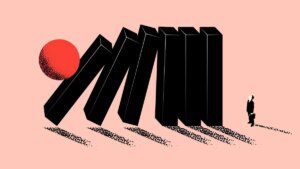
The celebrations come at a time when Cuba is grappling with a severe economic crisis, largely attributed to a fuel blockade initiated by the Trump administration. This blockade, coupled with a series of sanctions, has exacerbated the existing difficulties posed by a failed domestic financial overhaul. It has led to food shortages, increased hardships for the Cuban populace, and a dire economic situation that has lasted over five years.
The sanctions not only restrict trade but also limit essential supplies, escalating public discontent. These measures have put significant pressure on the Cuban government and are designed to coerce political and economic reforms. However, the longstanding resilience of the Cuban people remains a factor, even as frustrations grow amidst scarcity.
Global Perspective on Fidel Castro’s Legacy
Fidel Castro served as Cuba’s leader for nearly five decades, establishing a socialist state characterized by extensive social reforms but also a lack of political freedoms. The Cuban Revolution of 1959, which he led, was seen as a beacon for leftist movements worldwide, especially during the Cold War.
Castro’s legacy has been a polarizing subject; while he is revered by many for his stance against imperialism and his contributions to health and education, he is also critiqued for his authoritarian rule and human rights violations. This dichotomy continues to shape discussions on socialism and governance, making Castro an enduring symbol in both domestic and international discussions about freedom and equality.
What This Means
For an Indian audience, the centenary of Fidel Castro raises awareness about the challenges faced by socialist governments and the implications of external sanctions. India’s own historical ties with Cuba and its non-aligned stance during the Cold War position it uniquely to understand the complexities of Cuba’s situation. Furthermore, as India navigates its socio-political landscape, the lessons from Cuba’s resilience and governance could offer valuable insights into maintaining sovereignty amidst external pressures.
Frequently Asked Questions
What was Fidel Castro known for?
Fidel Castro was known for leading the Cuban Revolution, establishing a socialist state, and implementing extensive social reforms in education and healthcare. He ruled Cuba for nearly five decades until he handed over power to his brother Raul in 2008.
What impact did U.S. sanctions have on Cuba?
U.S. sanctions have led to significant economic difficulties in Cuba, including food shortages and limited access to essential resources. The restrictions have intensified an ongoing economic crisis, contributing to public discontent and calls for reform.
What is Raul Castro’s current role in Cuba?
Raul Castro is viewed as a significant figure in Cuban politics, despite stepping down as president in 2018. Many believe he continues to wield influence over the government and decisions affecting the nation’s future.
How do Cuba’s events relate to leftist movements globally?
The events commemorating Fidel Castro’s centenary attracted delegates from various leftist organizations in Latin America, underscoring a continued commitment to socialism amidst global changes. It reflects ongoing solidarity among leftist movements confronting similar challenges around the world.