
In a significant judgment, the High Court of Singapore has denied Fauziyah Mohd Ahbidin her claim for profits from Islamic charitable trusts established by her grandfather, a philanthropist who passed away in 1935. The case raises deep legal and religious questions about the interpretation of wills and the irrevocability of wakafs, particularly concerning the Hanafi and Shafie sects of Islam.
The Dispute Over Wakaf Income
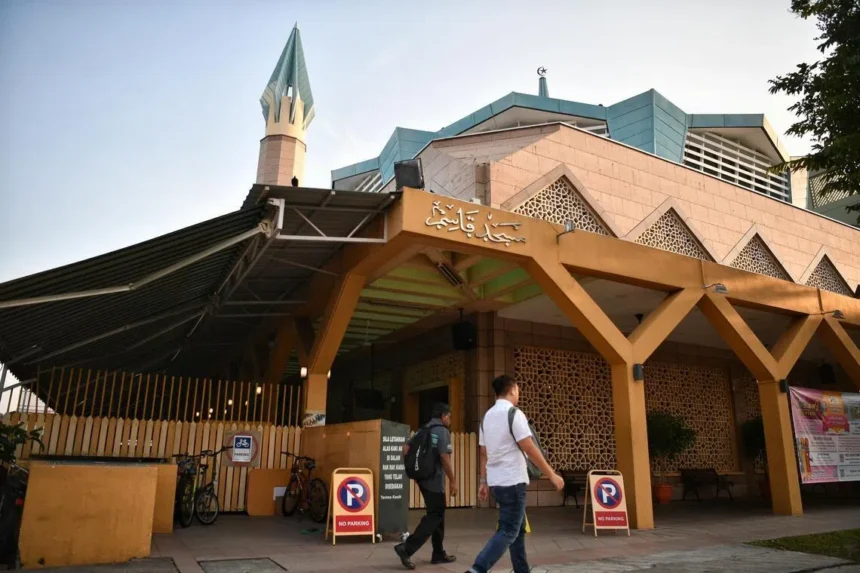
Fauziyah, now in her late 60s, initiated legal action against the Islamic Religious Council of Singapore (MUIS) in 2019, asserting that she was entitled to two-fifths of the income generated from the properties her grandfather, Ahna Mohamed Kassim Ally Mohamed, had bequeathed to wakafs. These properties included land for Masjid Kassim, a local mosque, and a burial ground named Kubur Kassim. Under Singapore law, a wakaf serves as a permanent dedication of assets for religious or charitable causes, irrevocably managed by MUIS.
The Legal Framework and Sectarian Divisions
The crux of the case hinged on whether Kassim aligned with the Hanafi or Shafie school of Islamic jurisprudence. This distinction is critical because under Shafie doctrine, wakafs cannot be revoked or modified, while the Hanafi perspective allows for some flexibility. Fauziyah argued her grandfather was of the Hanafi sect, where a minority opinion exists suggesting the possibility of revocation. However, High Court Judge Mohamed Faizal determined Kassim was actually a Shafie adherent, thereby ruling that the wakaf and its structures were irrevocable, as established by existing legal precedent in Singapore.
Financial Implications and Community Responses
The Kassim wakaf fund, according to the latest MUIS annual report, has accumulated approximately $23 million in assets and reported varying financial performance figures over recent fiscal years. The legal outcome enforces not only the structure of traditional Islamic endowments but also underscores the significant financial implications for claimants like Fauziyah and aimed to protect the integrity of donations meant for community benefit. The social response to this case reveals the broader implications of legal interpretations onto the lives of individual beneficiaries within the Muslim community in Singapore.
Why It Matters
The ruling emphasizes the complexities surrounding Islamic legal practices and property rights in Singapore, specifically within the context of community welfare initiatives. It also shines a light on the potential discrimination against marginalized voices, particularly Indian Muslims, when traditional practices collide with contemporary legal frameworks. Such cases prompt a reconsideration of how cultural, religious beliefs influence legal decisions and the financial patterns that emerge as a result. For policymakers, this becomes a pivotal area for discussion, where sensitivity to cultural practices must meet the necessity for clear legal frameworks.
Frequently Asked Questions
What is a wakaf?
A wakaf is a permanent dedication of assets by a Muslim for religious or charitable purposes, managed in perpetuity by an authorized entity such as the Islamic Religious Council.
What was the outcome of Fauziyah’s lawsuit?
The High Court ruled against Fauziyah, concluding that her grandfather was a Shafie Muslim, under which doctrine a wakaf is irrevocable and cannot be altered.
Why is the sectarian affiliation of Kassim significant?
The distinction between the Hanafi and Shafie sects is critical because it informs interpretations of Islamic law regarding the revocation or modification of a wakaf, thus affecting beneficiaries like Fauziyah.
What are the financial implications of the ruling for the Muslim community?
The ruling preserves the integrity and intended purpose of the Kassim wakaf fund, which has substantial financial assets, ensuring that community resources are managed according to established religious laws.