Summary
The ongoing Ebola outbreak in the Democratic Republic of the Congo (DRC) highlights critical challenges, including deeply rooted cultural beliefs, lack of resources, and insufficient international support. As aid efforts struggle to address both the health crisis and local distrust, the situation raises important questions for global health strategies, including India’s approach to epidemic preparedness and response in vulnerable regions.
Cultural Barriers to Ebola Response
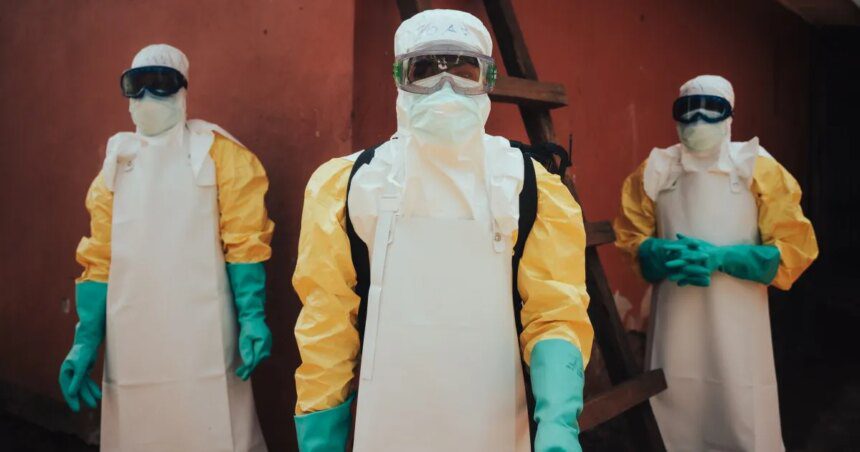
Dr. Alex Bonane Murutsi, a physician working at a Médecins Sans Frontières (MSF) Ebola treatment center in Bunia, noted that communities in DRC face severe poverty and insecurity, which complicates their acceptance of preventive measures. Traditional burial customs, which involve close contact with the deceased, clash with the safe burial practices required to contain Ebola. Many families prefer to hide deaths rather than comply with these measures, resulting in increased risks of virus transmission. Furthermore, stigma associated with Ebola survivors often leads to social exclusion, with even medical staff facing distrust from their own families due to misinformation about the virus’s transmission.
In India, similar cultural beliefs could complicate responses to health crises, as seen during the COVID-19 pandemic, where traditional practices posed challenges to safety measures. Addressing these cultural nuances is essential for effective health interventions.
The Impact of Insecurity on Health Services
Anna Halford, who coordinates MSF’s response in DRC, emphasized that violence in conflict-affected areas severely hampers access to health services, making it difficult to transport medical supplies and establish proper surveillance. In certain regions, even non-conflict areas are reporting a rise in Ebola cases, as logistical issues prevent timely responses. MSF’s medical personnel sometimes resort to makeshift protective equipment, highlighting the dire need for adequate resources.
The Indian healthcare system, while different, faces similar logistic challenges in remote areas, such as during natural disasters or outbreaks. Modernized supply chain strategies and infrastructure investment could mitigate issues seen in DRC and enhance India’s responsiveness to healthcare crises.
Funding and Infrastructure Challenges
Despite pledges from international donors summing to $2.9 billion since May, the disparity between funding and effective on-ground support remains significant. Javid Abdelmoneim, MSF’s international president, stated that many frontline responders are left without essential resources. The lack of oversight and the duplication of aid projects further complicate effective disaster response.
For countries like India, this underscores the necessity for strategic planning in emergency management and the importance of reliable funding mechanisms. Learning from DRC’s challenges could inform India’s ongoing public health efforts, especially given its own experience with budget constraints affecting health initiatives.
What This Means
For Indian readers, the DRC Ebola outbreak serves as a reminder of the intricate web of challenges faced during health crises. It highlights the importance of cultural sensitivity in health interventions, the necessity of robust infrastructure to support healthcare delivery, and the critical role of transparent funding mechanisms. India, which has faced its own public health challenges and is a significant player in global healthcare initiatives, can glean valuable lessons from DRC to enhance its preparedness for future health emergencies, emphasizing community engagement and system strengthening.
Frequently Asked Questions
What is the current state of the Ebola outbreak in the DRC?
The DRC is experiencing a resurgence of Ebola cases, exacerbated by cultural resistance to prevention measures and inadequate healthcare resources. Despite international donations, effective on-ground support remains insufficient.
How do cultural practices affect Ebola response?
Traditional burial customs, which involve intimate contact with the deceased, conflict with safe burial protocols. Misinformation about the virus leads to family resistance and social stigma for survivors, complicating prevention efforts.
What role does international funding play in combating Ebola?
International funding, while pledged in large amounts, has not effectively reached frontline responders. Challenges in oversight and planning have led to resources not being adequately utilized for the crisis.
How can India learn from the DRC’s Ebola response challenges?
India can enhance its epidemic response strategies by emphasizing cultural sensitivity, improving logistical frameworks for healthcare delivery, and ensuring transparent and effective utilization of health funding during crises.