
MLA Ravi Negi’s Controversial Post Targets Muslim Community
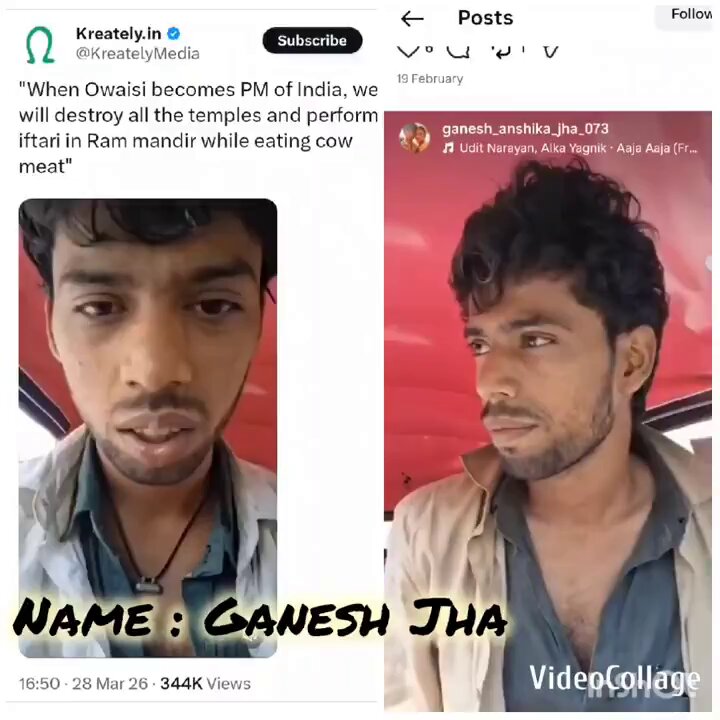
BJP MLA from Delhi, @RaviNegi_mla, has sparked outrage by sharing a provocative video featuring a man named Ganesh Jha, who is pretending to be a Muslim. This video was previously debunked in March by another commentator on social media. The incident raises questions about the BJP’s approach to community relations and the spreading of misinformation.
Background of the Provocative Video
The video shared by Ravi Negi shows Ganesh Jha impersonating a Muslim individual, which led to significant public backlash. In March, the portrayal was identified as fraudulent, with many asserting that it served to propagate divisive communal narratives. The timing of Negi’s share has prompted many to accuse him of stoking the flames of communalism for political gain.
The persistence of such content in political dialogue reflects a troubling trend in Indian politics, where influencers may use social media to amplify divisive rhetoric. Analysts argue that the misuse of platforms to circulate false videos can create tension and misunderstandings among communities, potentially leading to real-world consequences.
Response from PIB Fact Check and Political Implications
The tweet surrounding this incident has drawn attention to the role of government fact-checking bodies, such as @PIBFactCheck. The original tweet implored the organization to take action against such communications, emphasizing that inaction may encourage further misinformation campaigns. This call for accountability reveals public frustration with governmental agencies that appear reluctant to challenge narratives propagated by political figures.
Moreover, the response of Prime Minister Narendra Modi to such incidents could evidently sway public perception of the BJP’s approach to inter-community dialogue. The tweet jokingly suggests that party workers should address the misinformation in their communications, indicating a need for careful political strategy that does not alienate communities further.
Analysis of Community Relations in Indian Politics
This incident has underscored the broader context of community relations in India. Social media plays a significant role in influencing public opinion and shaping narratives. The BJP has often been accused of leveraging communal divides to consolidate its voter base, and such tactics can have a long-lasting impact on social cohesion.
The backlash against Ravi Negi’s tweet reflects a public aware of the dangers of spreading misinformation. It signals a growing demand for responsible communication from political leaders, who hold considerable influence. The public’s call for truthfulness signals an evolving landscape where the electorate seeks higher accountability from their leaders.
Why This Matters
This episode highlights the ongoing tensions between communities in India and the potential impact of political rhetoric on social fabric. The shared video, which has been debunked, underscores how misinformation can swiftly influence perceptions and incite division. As political maneuvering becomes increasingly intertwined with social media strategy, addressing false narratives will be critical in preserving communal harmony.
The political significance of this incident reverberates beyond just the BJP; it calls for a reevaluation of the ethical responsibilities of politicians and communication in a diverse society. The citizens’ demand for honesty reflects a growing consciousness about the power of truth in public discourse.
Frequently Asked Questions
What was the nature of the video shared by Ravi Negi?
The video featured Ganesh Jha pretending to be a Muslim, which has been previously debunked, and appeared to target the Muslim community in a provocative manner.
Why was the video considered inflammatory?
It was seen as a tool to propagate misinformation and incite communal tensions, a common strategy utilized in political dialogue to create rifts between different communities.
What is the significance of the request to PIB Fact Check?
The call for PIB Fact Check to act reflects a public demand for accountability by ensuring that political figures are held responsible for spreading false information.
How can misinformation affect community relations in India?
Misinformation can exacerbate communal tensions and misunderstandings, leading to discord among communities and undermining social harmony in a diverse nation like India.