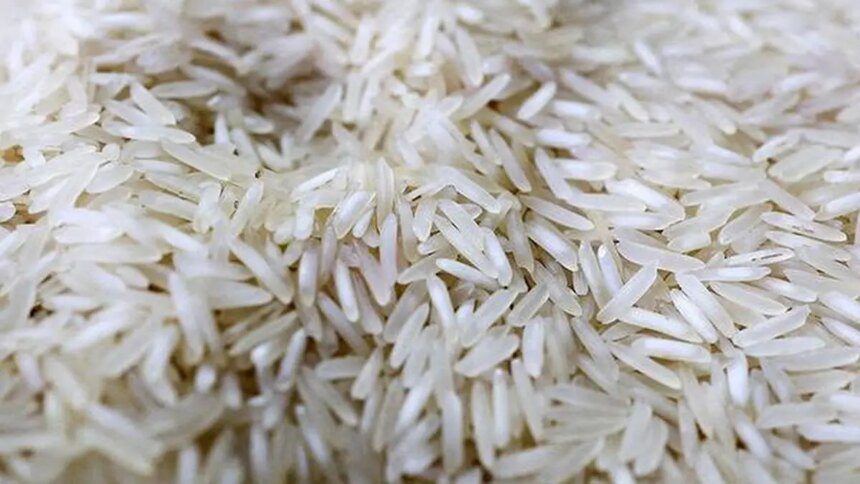

Basmati exporters have called on the Agricultural and Processed Food Products Export Development Authority (Apeda) to immediately suspend or withdraw the levy of ₹70 per tonne, plus GST, imposed on contract registrations for the Basmati Export Development Foundation (BEDF). The industry is currently experiencing exceptionally difficult circumstances due to disruptions associated with the US-Iran conflict.
In a recent communication, the Haryana Rice Exporters’ Association (HREA) highlighted that exporters are facing significant financial and operational stress caused by war-related disruptions, delayed payments, increased freight and insurance costs, blocked funds, and reduced profit margins. The annual collection from the ₹70 charge could exceed ₹42 crore, excluding GST, as basmati rice exports surpass 60 lakh tonnes each year, illustrating the substantial burden on exporters.
HREA President Sushil Jain wrote to Abhishek Dev, Chairman of Apeda, on April 7, expressing concern over the worsening conditions for exporters resulting from current international tensions and disruptions in key trade routes.
War-related disruptions have led to delayed export payments, shipment hold-ups, and increased costs, including demurrage and marine insurance premiums. Jain noted that when considering actual export volumes, the levy becomes a significant financial burden. For instance, an exporter would incur a combined expense of ₹41.30 lakh (including GST) to export 50,000 tonnes of basmati, which escalates to ₹1.65 crore for 2 lakh tonnes.
“This clearly shows that the levy is a heavy financial load on exporters, particularly given the existing pressure on their profit margins,” Jain added.
The Indian Rice Exporter’s Federation (IREF) has also submitted a request to Apeda advocating for the immediate suspension of this levy. Rajeev Setia, acting president of IREF’s basmati rice division, remarked that the processing fee was increased to ₹70 per tonne in August 2025 from ₹30 for the issuance of the Registration-Cum-Allocation Certificate (RCAC) for basmati rice exports. With GST included, this results in a total cost of ₹82.60 per tonne for exporters.
Setia emphasized that Indian basmati exporters operate in highly price-sensitive markets, such as the Middle East and the EU. The additional costs jeopardize India’s competitive price advantage over Pakistan, particularly for large-volume shipments. Small and medium-sized exporters, who represent a crucial segment of the export ecosystem, are particularly vulnerable and may reduce their market participation due to these rising costs.
Published on April 16, 2026.