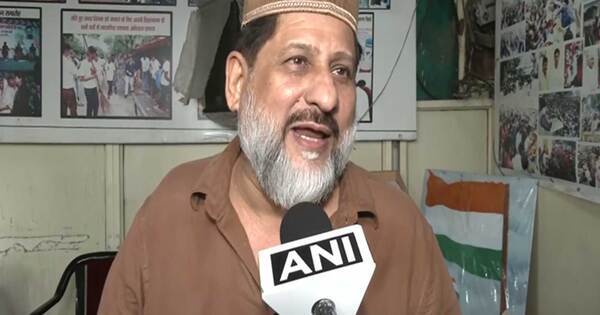

Bhopal’s recent reconstitution of the Madhya Pradesh Waqf Board has ignited significant controversy, particularly from Congress MLA Arif Masood, who argues that the inclusion of non-Muslim members undermines the integrity of the board. This decision, made under the new Waqf law, symbolizes broader trends of social and political marginalization affecting Indian Muslims under BJP-led state governments.
Background on the Waqf Board Changes
The Madhya Pradesh government has recently restructured the Waqf Board, marking the first instance in India where non-Muslims have been appointed to such a body. This new 10-member board includes two Hindu members and has made strides by ensuring representation of women with four spots dedicated to female members. According to the government, this move aligns with provisions outlined in the Waqf (Amendment) Act, 2025, which was signed into law by President Droupadi Murmu.
Critics, led by MLA Arif Masood, contend that including non-Muslim members is not just premature but fundamentally unjust, as the Supreme Court is presently reviewing the legal implications of such composition. Masood points to the Supreme Court’s previous considerations, which suggested the importance of maintaining the Waqf Board’s integrity by excluding members from other religions. He argues that the government’s quick action is both unnecessary and a potential violation of the current legal debate.
Political Repercussions and Allegations of Haste
Masood’s objection to the Waqf Board reconstitution speaks to larger narratives of discrimination and social exclusion that Indian Muslims have faced, particularly in regions governed by the Bharatiya Janata Party (BJP). He questions the rushed manner in which the Madhya Pradesh government moved to amend the board’s structure, especially when other state governments aren’t emulating this tactic.
According to Masood, the decision to appoint three non-Muslims, including the Commissioner of Backward Classes and Minority Welfare, violates the stipulated number of two members from different communities. This can be seen as part of broader patterns in which Muslim communities are relegated to marginal roles in governmental and public spaces, leading to feelings of disenfranchisement among the population.
Potential Legal Developments
The legal landscape surrounding the Waqf Board is still evolving. The All India Muslim Personal Law Board has already approached the Supreme Court, challenging the constitutional validity of the Waqf (Amendment) Act, 2025. The ongoing trial may shape not just the composition of the board but also the future of similar religious boards across India, potentially leading to landmark decisions that could either reinforce or dismantle the recent changes.
Why It Matters
This incident highlights the significant implications for communal relations in India. It reflects broader societal tensions and can serve as a barometer for understanding the political climate under BJP governance. With rising complaints of social exclusion, economic boycotts, and an increasing sense of alienation felt by minority communities, the outcome of such political and legal battles may have long-lasting effects on India’s social fabric. It raises urgent questions about the efficacy of representation within government bodies and the role they play in fostering communal harmony or exacerbating divisions.
Frequently Asked Questions
What is the Madhya Pradesh Waqf Board?
The Madhya Pradesh Waqf Board is a government body that manages properties and assets designated for Muslim charitable and religious purposes in the state of Madhya Pradesh, India.
Why are non-Muslim members being included in the Waqf Board?
The Madhya Pradesh government claims that the inclusion of non-Muslim members is intended to bring in expertise and greater representation; however, critics argue that it undermines the board’s integrity.
What legal action has been taken against the Waqf (Amendment) Act, 2025?
The All India Muslim Personal Law Board has moved the Supreme Court, challenging the constitutional validity of the Waqf (Amendment) Act, 2025, which allows for the inclusion of non-Muslim members in the board.
What are the implications of the Waqf Board changes for Indian Muslims?
The changes potentially exacerbate feelings of marginalization and discrimination among Indian Muslims and raise concerns about representation and communal harmony in governance.