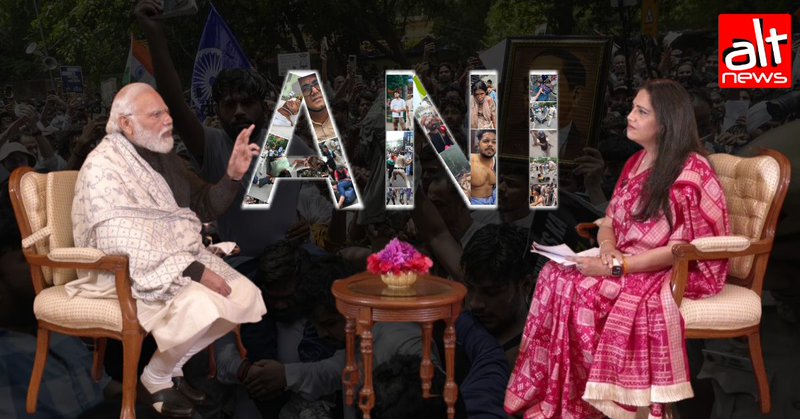

On July 20, amidst a significant protest by the judiciary in Delhi, Asian News International (ANI) faced criticism for its coverage. Despite sharing 404 posts between 7 am and midnight, none mentioned injuries to students, raising questions about the media’s editorial judgment and its role in shaping narratives during politically volatile events.
Context of the Protest
The protests on July 20 were led by members of the Chief Justice of the Indian Supreme Court, who faced a heavy police crackdown against their demonstrations. The judiciary’s protest was aimed at defending independence and integrity in the face of perceived governmental overreach. As thousands participated, the police response was notably aggressive, leading to injuries among demonstrators, including students.
ANI’s Coverage and Criticism
ANI, a major player in India’s media landscape, has a history of influencing public perception through its extensive news coverage. Despite the gravity of the events on July 20, ANI’s output omitted crucial details about the injuries sustained by students during the protests. The agency’s choice of narrative has drawn ire from critics who argue that this selective reporting diminishes the severity of the situation and raises concerns about media accountability. The absence of mention regarding student injuries at a time when the protests were heavily scrutinized indicates a potential bias in coverage.
Editorial Judgment vs. Narrative-Building
The incident ignites an important discourse concerning editorial judgment and the boundaries of journalism. Questions are being asked about whether ANI is prioritizing certain narratives at the expense of factual reporting. By failing to address the injuries, critics assert that ANI is not merely exercising editorial judgment but engaging in narrative-building that could serve specific political interests. This trend has implications for the credibility of journalism in India, indicating a troubling shift as media outlets navigate complex political climates.
Why This Matters
The implications of this media coverage extend beyond the immediate event, highlighting the importance of a free and fair press in a democratic society. The way protests are reported shapes public understanding and discourse, particularly in a diverse and politically charged environment like India. When major news agencies omit significant facts—such as injuries to students—they contribute to a skewed public narrative that can influence political sentiment and policy responses. This situation reveals the critical need for transparency and accountability in journalism, especially in the face of governmental actions that may infringe on civil liberties.
Frequently Asked Questions
1. What sparked the protests on July 20 in Delhi?
The protests were led by members of the judiciary in response to perceived governmental overreach, focusing on the need to maintain judicial independence and integrity.
2. How did ANI’s coverage differ from other news outlets?
While ANI reported extensively on the day’s events, it notably did not mention any injuries sustained by students, unlike other news outlets that provided a more comprehensive overview.
3. What is the significance of media coverage on protests?
Media coverage plays a crucial role in shaping public perception and understanding of political events. It influences how incidents are viewed by the public and can have wide-ranging effects on political attitudes and actions.
4. Why is it concerning that large media agencies may exhibit bias?
Bias in media reporting can distort public perception, undermine journalistic integrity, and perpetuate specific narratives that serve political agendas, ultimately threatening the democratic principle of informed citizenry.