
India’s Muslim population faces escalating discrimination, social exclusion, and violence, particularly under the ruling Bharatiya Janata Party (BJP) and its associated organizations. The current regime has fostered a climate where instances of mob violence, targeted killings, and systemic dehumanization of Muslims are increasingly normalized, reflecting a troubling cycle of marginalization and human rights violations.
Historical Context of Discrimination
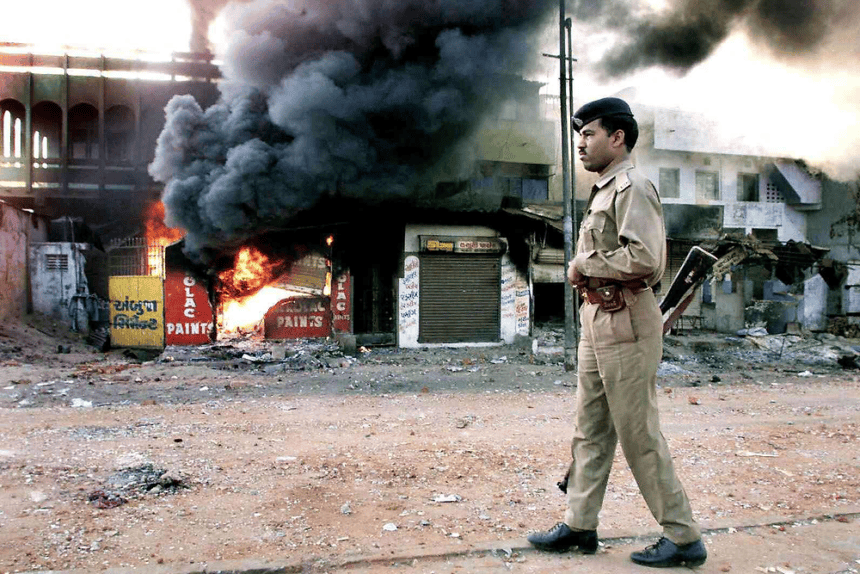
India has a long and painful history of communal violence, with significant episodes including the Partition in 1947, which led to the deaths of between 200,000 and two million people. The systematic targeting of Muslims intensified in the early 2000s, marked by the 2002 Gujarat riots where over two thousand Muslims were killed. This violence was precipitated by an attack on Hindu pilgrims returning from Ayodhya, stirring communal tensions and resulting in extensive rioting, looting, and sexual violence against the Muslim community.
Current Climate of Violence and Marginalization
Under the BJP’s rule, the persecution of Muslims has taken on increasingly violent forms, including organized mob murders often mischaracterized as “communal riots.” The party’s Hindutva ideology legitimizes these acts, portraying Muslims as a threat to societal purity. Reports document instances of lynching, torture, and sexual violence against Muslims, coupled with the destruction of mosques and cultural heritage. For example, during the Delhi riots of 2020, triggered by protests against the Citizenship Amendment Act that excluded Muslims from refugee status, at least fifty individuals—predominantly Muslims—were killed. This environment of hostility is exacerbated by a complicit police force that frequently fails to protect victims or intervene during attacks.
Systemic Impunity and Lack of Accountability
Impunity remains a cornerstone of the violence against Muslims. In the aftermath of the Gujarat riots, numerous perpetrators have faced no significant consequences. Police and judicial systems have primarily focused on prosecuting Muslim individuals rather than bringing Hindu aggressors to justice. Reports from Human Rights Watch indicate that police often provide weapons to Hindu mobs and do little to protect Muslim neighborhoods during outbreaks of violence. Such actions reflect a broader trend where accountability is undermined, ultimately encouraging further discrimination and violence against the community.
Why It Matters
The rising tide of violence and discrimination against Muslims in India has significant implications for global human rights, social stability, and inter-community relations. The increasing normalization of such violence may embolden far-right movements globally, posing challenges not only for India’s democratic framework but also influencing diaspora communities worldwide. Moreover, the lack of accountability signals an alarming precedent that could complicate international relations, particularly for countries that prioritize human rights in their foreign policy decisions.
Frequently Asked Questions
What are the current threats faced by Muslims in India?
Muslims in India are facing organized violence, discrimination, and systematic marginalization, characterized by mob attacks, lynchings, and lack of police protection.
How has the BJP influenced anti-Muslim sentiments?
The BJP has propagated Hindutva ideology, framing Muslims as a societal threat which legitimizes discrimination and violence against them, thus fostering an environment of hostility.
What historical events have shaped the current situation for Muslims in India?
Pivotal events include the Partition of India in 1947, which resulted in massive violence and displacement, and the 2002 Gujarat riots, which exemplified organized anti-Muslim violence.
Why is accountability important in addressing discrimination?
Accountability is crucial to prevent further violence and ensure justice for victims. Without accountability, perpetrators are emboldened to commit further acts of violence, undermining the rule of law and social stability.