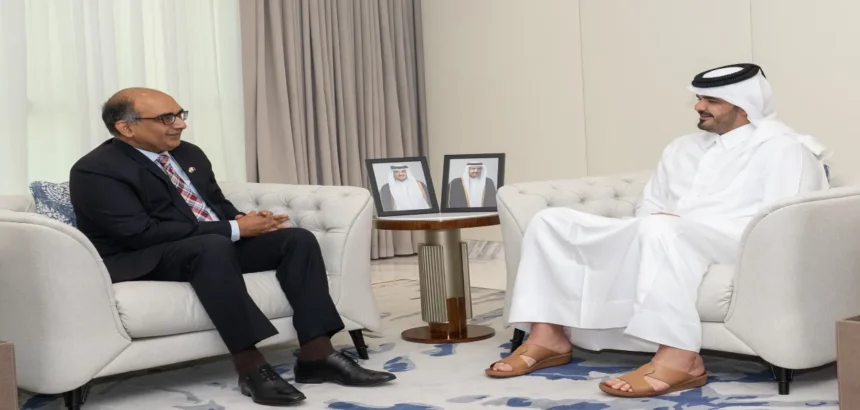

India has made a significant diplomatic shift with the appointment of Vipul as the first non-Muslim ambassador to Saudi Arabia, breaking a 75-year convention. This move is indicative of broader changes in India’s foreign policy landscape under Prime Minister Narendra Modi’s leadership.
Historical Context of Diplomatic Appointments
Since 1948, India has sent Muslim diplomats to Saudi Arabia, reflecting longstanding cultural and religious ties. Vipul’s appointment as ambassador marks a notable departure from this practice, illustrating the evolving nature of India’s diplomatic strategies. This appointment not only symbolizes the government’s intent to redefine its diplomatic relationships but also emphasizes a growing emphasis on merit and experience over background in the selection process.
Geopolitical Importance of Saudi Arabia
Saudi Arabia plays a crucial role in India’s geopolitical framework. Historically seen primarily through the lens of oil and the Indian diaspora, Saudi Arabia’s importance now extends into diverse areas including security partnerships, trade cooperation, and cultural exchanges. As a leading economic hub, the Kingdom is planning significant transformations under its Vision 2030 agenda, aiming to diversify its economy beyond oil dependency. This evolving landscape offers an array of opportunities for India, which seeks to bolster its economic ties and collaborative efforts in technology and infrastructure development.
The Role of Vipul as Ambassador
Vipul, a seasoned career diplomat, steps into this pivotal role with a wealth of experience. Since joining the Indian Foreign Service in 1998, he has held positions in various international missions including Cairo, Colombo, and Dubai, and has been directly involved in enhancing India’s engagements in the Gulf region. His previous role as India’s ambassador to Qatar further equips him with insight into the complexities of regional dynamics. Vipul’s expertise in international relations, development, and media will undoubtedly play a critical role in navigating challenges and opportunities in the Saudi-Indian relationship as he seeks to strengthen diplomatic ties moving forward.
Why It Matters
The shift in India’s ambassadorial approach to Saudi Arabia signifies a significant reworking of diplomatic norms, possibly reflecting broader socio-political changes within India itself. It emphasizes the need for a more inclusive diplomatic approach, allowing leaders like Vipul to forge stronger bonds based on professional expertise rather than communal affiliations. This change may influence future selections of diplomats and shape how India is perceived internationally, particularly in the Middle East where religion plays a considerable role in diplomatic relations.
Frequently Asked Questions
What does Vipul’s appointment signify for India’s diplomatic relations?
Vipul’s appointment as the first non-Muslim ambassador to Saudi Arabia marks a departure from historical practices, suggesting a shift towards a more merit-based approach in Indian foreign policy.
How has Saudi Arabia’s role evolved in India’s foreign policy?
Saudi Arabia has transitioned from a primary partner in energy and labor to a multifaceted economic and geopolitical ally, especially in light of its Vision 2030 initiative, which emphasizes modernization and diversification.
What experience does Vipul bring to his new role?
Vipul has extensive experience in international diplomacy, having served in key positions across various regions, including the Gulf. His previous ambassadorship in Qatar pointedly prepares him for the complexities of the Saudi-Indian relationship.
Why is the appointment of a non-Muslim ambassador significant?
This appointment symbolizes a potential re-evaluation of communalism in Indian politics and diplomacy, indicating that diplomatic positions may increasingly be determined by professional qualifications rather than religious affiliations.