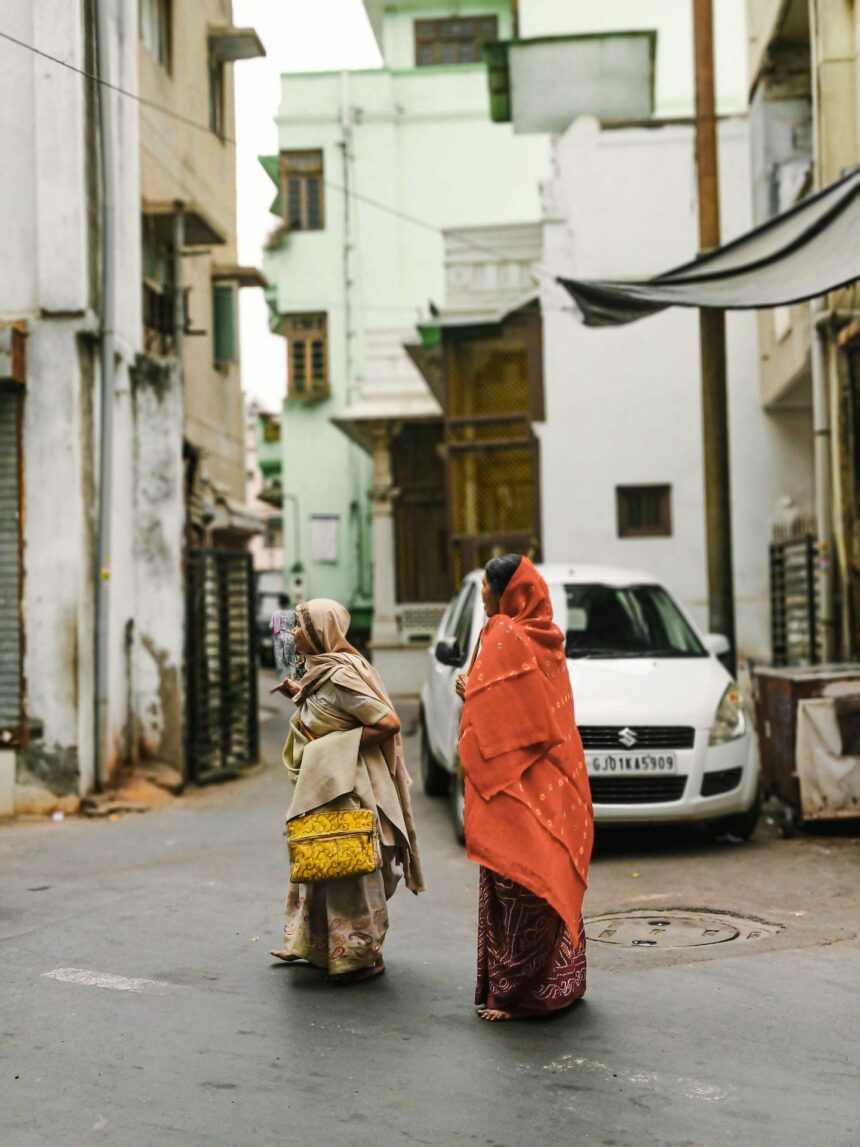

Three Christian women were recently detained in Raipur, Chhattisgarh, after members of the Hindu hardline group Bajrang Dal accused them of illegally converting individuals to Christianity during a private prayer gathering. This incident reflects ongoing tensions surrounding religious freedoms in India, particularly for minority Christian communities.
Incident Overview
The events unfolded on August 22 when approximately 20 to 25 members of the Bajrang Dal, accompanied by police officers, interrupted a prayer meeting in a private home. They accused the attendees of conducting religious conversions. Following this disturbance, local police detained three women and took them to the police station for questioning.
Videoclips surfaced afterward, depicting Christian community members gathering at the police station to inquire about the detained women. The police, according to an anonymous source, acted under Chhattisgarh’s anti-conversion law, prompting questions about the due process in this case. There has been no public disclosure of the specific charges against the detained women or the evidence suggesting their involvement in any conversion activities.
The Role of Bajrang Dal and Anti-Conversion Laws
The Bajrang Dal is a right-wing Hindu nationalist organization known for its opposition to Christian missionary work. While the group has yet to comment on this specific incident, it has a history of targeting Christian gatherings, arguing that they often serve as cover for coercive conversion practices.
Chhattisgarh, along with several Indian states, has enacted laws restricting religious conversions, generally framed as measures to combat fraud or coercion. However, critics argue that these laws are misused to target minority religious communities, particularly Christians. A local Christian rights activist highlighted how such legislation has become a weapon for Hindu extremist groups, enabling them to disrupt worship and intimidate followers of the Christian faith.
Community Response and Broader Implications
The community’s reaction to the incident was one of distress and defiance. Many gathered at the police station to demand information about the detained women, expressing concerns over police intimidation tactics. Freddy Joseph, a local Christian evangelist, condemned the police actions, stating that they exemplified a growing trend of harassment against Christians based on unsubstantiated conversion allegations.
This incident is symptomatic of a broader pattern in India that has seen increased confrontations over religious practices. Articles from various sources indicate that minority Christian groups are frequently targeted under the pretext of the anti-conversion laws, even in situations where no coercive measures are evident. Such confrontations have led to heightened tensions, drawing attention to the precarious position of religious minorities in India.
Why It Matters
This incident signifies the ongoing struggle for religious freedom and the implications for social cohesion in India. The targeting of Christian gatherings under anti-conversion laws not only raises concerns about legal protections for religious minorities but also perpetuates a culture of fear and marginalization. For developers and users of technology focused on social issues, this trend indicates a pressing need for advocacy tools and platforms that can monitor and report such incidents effectively. Understanding the complex dynamics of religious freedom in India is crucial for the global discourse on human rights.
Frequently Asked Questions
What are anti-conversion laws in India?
Anti-conversion laws in India are legislative measures enacted in several states to prevent religious conversions through coercion, fraud, or inducement. These laws are often invoked in cases involving allegations against minority religions, particularly in the context of Christian missionary activities.
Who is Bajrang Dal?
Bajrang Dal is a right-wing Hindu nationalist organization that opposes Christian missionary work and often engages in actions against Christian gatherings, arguing they are conduits for illegal conversions.
What is the significance of the recent incident in Chhattisgarh?
The incident underscores the rising tensions between Hindu nationalist groups and religious minorities in India. It serves as an example of how anti-conversion laws are being used to target Christians and raises concerns about the freedoms of religious expression in the country.
How do religious minorities in India feel about their safety?
Religious minorities, particularly Christians, report feeling increasingly unsafe in India, being subject to harassment and violence based on allegations of conversions, which often lack substantial evidence. Such environments create a culture of fear and oppression among these communities.