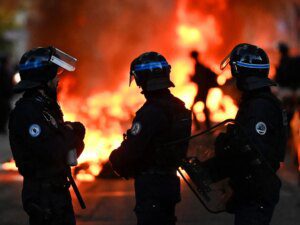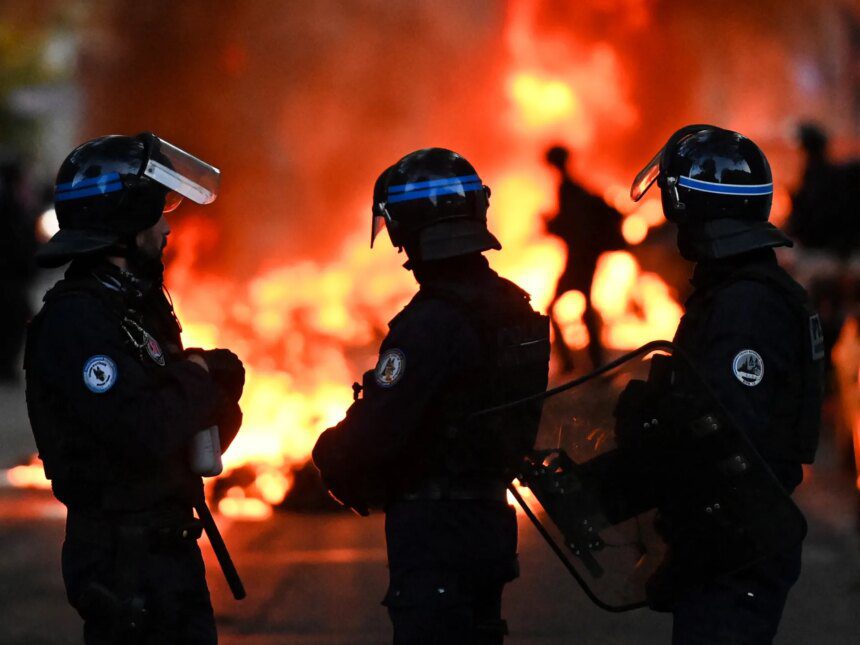

In France, tens of thousands of demonstrators have taken to the streets for the sixth consecutive weekend, voicing their frustrations over inadequate public services and increasing costs of living. The protests, initially ignited by high school students advocating for better educational conditions, have evolved into a broader movement addressing economic inequities and police conduct.
The Growing Protests in France
Beginning in mid-September, the protest movement has attracted significant public attention and participation. Organizers have reported a turnout of 150,000 demonstrators during the latest protests. This figure marks a decline from earlier weeks when protests reached 800,000 participants on October 17. According to the French Ministry of the Interior, the number is closer to 82,500, highlighting a trend of decreasing participation as the weeks progress. Despite this decline, the persistence of demonstrators indicates a sustained demand for change.
The catalysts for these protests are manifold, encompassing rising living costs, faltering public services, and alarming instances of police brutality. High school students, frustrated by their educational environments, were the first to rally the public, drawing attention to issues that resonate with many citizens facing economic hardships. As the protests gained momentum, they evolved into a wider critique of social inequality in France.
Impact of Recent Protests
While most demonstrations have remained peaceful, there have been instances of violence, including significant rioting that has taken place in previous weeks. Notably, last month saw some of the worst civil unrest in years, characterized by looting and property damage. These violent episodes have fueled accusations of excessive force used by police, complicating the public’s perception of law enforcement during times of unrest.
Trade unions and activist groups are actively planning additional protests in the upcoming weeks, suggesting the movement may continue. This ongoing dissatisfaction reflects a deep-seated frustration with the French government’s handling of economic and social issues. The stakes are particularly high, as public dissatisfaction could sway political dynamics ahead of upcoming elections.
The Broader Context of Economic Discontent in France
The protests are emblematic of a wider discontent felt by many across Europe, including in nations like India, where issues of rising costs and economic disparity resonate as well. In recent years, inflation rates have risen across the continent, leading to a cost-of-living crisis that affects citizens’ day-to-day existence. Issues such as unemployment, high rents, and energy costs have prompted parallel movements in various countries, highlighting a common struggle against the pressures of economic inequality.
This mounting frustration is not unique to France. In India, citizens face their own set of challenges concerning inflation and livelihood, making the developments in France a point of interest for many as they navigate similar economic landscapes. Furthermore, the issues of police conduct during civil protests echo globally, raising questions about the balance of societal stability and civil rights.
What This Means
The unfolding protests in France signify a broader narrative of growing social unrest due to economic hardships. For Indian readers, the situation serves as a reminder of the importance of public discourse on economic issues. The connection between rising prices and public service dissatisfaction can lead to unrest if not managed properly. This serves as a cautionary tale for nations to evaluate their economic policies and the public’s perception of government efficacy, as civil unrest can significantly impact political stability and governance.
Frequently Asked Questions
What are the main reasons behind the protests in France?
The protests stem from demands for better public services, rising costs of living, educational conditions, and concerns over police brutality.
How have the French authorities responded to the protests?
French authorities have noted a significant decline in protest participation and have faced accusations of police brutality amid sporadic violence during demonstrations.
What parallels can be drawn between the protests in France and those in India?
Both countries are grappling with rising costs of living and economic disparity, prompting public dissatisfaction and, in some instances, protests advocating for social and economic reforms.
Could these protests influence upcoming elections in France?
Yes, widespread public dissent could sway political dynamics and influence voter sentiment in upcoming elections, as citizens demand accountability and change from their leaders.