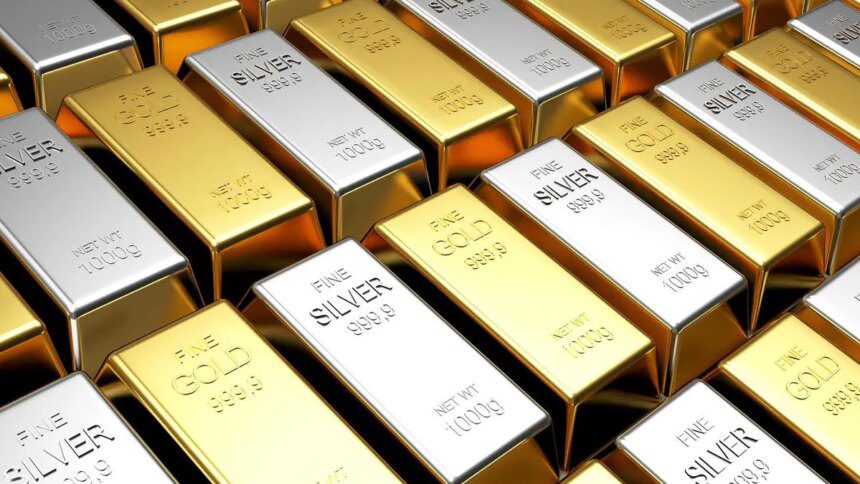

The ongoing delay in the import of gold and silver into India has led to significant financial implications for importers, as Customs departments charge interest on outstanding duties despite the goods being withheld. Over 5 tonnes of gold and nearly 8 tonnes of silver are currently stuck at various ports, incurring substantial costs for banks and exacerbating import challenges.
Current Import Challenges for Gold and Silver
According to the Indian Bullion and Jewellers Association (IBJA), consignments of gold and silver have been withheld across all Indian ports due to a delay in updating tariff rates by the Customs department. As of November 14, the revised tariff value for gold stands at $1,245 per 10 grams and for silver at $1,663 per kg, down from previous higher values. The involvement of banks has also changed, with the exemption they previously enjoyed ending in 2017, leading to increased costs due to IGST payments introduced by Customs authorities.
Prithviraj Kothari, Managing Director of RiddiSiddhi Bullions and President of IBJA, cites a significant backlog since the start of FY27 when the Directorate General of Foreign Trade (DGFT) delayed its annual order that designates eligible banks for bullion imports. While the list was released, Customs has yet to issue the necessary clearance orders, creating a bottleneck in the import process.
Complications Arising from Silver Imports
The situation for silver is particularly complicated, with tighter restrictions in place. Importing jewellers must now obtain a valid DGFT Import Authorisation to operate through the India International Bullion Exchange (IIBX), adding another layer of bureaucracy to the process. Each additional need for documentation extends the waiting time before any consignment can be released from Customs.
Estimates suggest that over 5 tonnes of gold worth approximately ₹6,540 crore ($699 million) and 8 tonnes of silver valued between ₹115-130 crore ($13-14 million) remain stuck. In total, the impasse reflects a potential loss of ₹5,750-6,700 crore in metal value, which has started to impact the volume of imports significantly. Notably, imports in April dropped to nearly 15 tonnes, a stark decline from the average of 60 tonnes typically seen during the Akshaya Tritiya buying season.
Duty Reduction and Financial Implications
The government’s recent cut in export duty drawback rates has further complicated the landscape for importers. For gold jewellery, the drawback has been lowered from ₹1,852 per gram to ₹1,794 per gram, while the rate for silver jewellery decreased from ₹29,501 per kg to ₹26,859 per kg. The rationale behind these reductions aligns with the falling bullion prices, as seen in recent market trends.
Since most bullion is brought into India on a consignment basis, the overseas suppliers maintain ownership until the product is sold domestically, which creates a challenging scenario for banks. With their funds tied up during Customs delays and accruing vault charges, banks face a compounded financial burden, especially given that overdue duties attract a 15% annual interest under Section 47(2) of the Customs Act.
What This Means
The current situation underscores a critical junction for India’s bullion market, with delayed imports leading to financial strain on banks, increased costs for importers, and a considerable drop in available gold and silver in the marketplace. Prolonged delays could hamper the upcoming festive buying season, which traditionally boosts volumes significantly. Moreover, the imperative for regulatory bodies to improve the efficiency of processing import tariffs and clearances commands urgent attention to mitigate losses for stakeholders across the industry.
Frequently Asked Questions
Why are gold and silver imports delayed in India?
The delays stem from a backlog in updating the Customs tariff rates, along with necessary clearance orders from Customs authorities being unissued despite a list being released by the DGFT.
How much gold and silver is currently stuck at Indian ports?
Over 5 tonnes of gold and about 8 tonnes of silver are currently held up at customs, leading to financial implications both for banks and the overall import market.
What are the financial repercussions of these delays for importers?
Importers face interest charges on unpaid duties despite the goods being withheld. There are also costs related to vaulting and storage that banks incur while waiting for clearance.
Has there been a change in duty drawback rates for bullion?
Yes, the government has reduced the export duty drawback rates on gold jewellery and silver jewellery, aligning them with a decrease in bullion prices, which may further affect exporters’ refunds.