
Summary
The war in Ukraine has not only affected international relations but has also disrupted cross-border traditions and economic activities in Northern Europe. In Finnmark, Norway’s northernmost county, local Sámi communities now face increasing challenges as border controls tighten, disrupting their historical ties with Russian communities across the border.
Historical Context of the Sámi Community
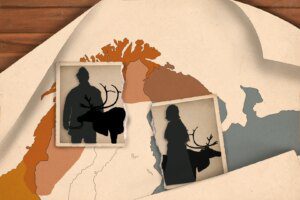
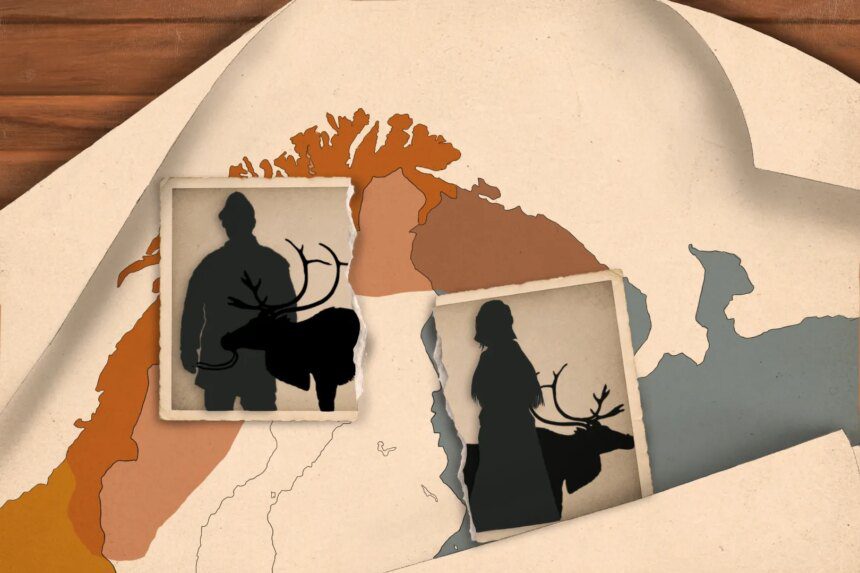
The Sámi community is an Indigenous group whose ancestral homeland, Sápmi, crosses Norway, Sweden, Finland, and parts of Russia. For generations, Sámi families have relied on fishing, hunting, and reindeer herding in the rich geographical landscapes of northern Europe. The **Neiden Fjord**, where Nils Boine, a local Sámi, surveys the waters filled with king crabs, has long been a vital source of sustenance for these communities.
However, since the **Norwegian-Russian border was fixed in 1826**, the Sámi people have experienced a division that cuts through their families and social ties. Although a policy exists for **visa-free travel for those living within 30 km** of the border, recent geopolitical tensions have strained these arrangements significantly.
The Impact of Geopolitical Tensions
The invasion of Ukraine by Russia in February 2022 has heightened security measures in the region. Increased surveillance and stricter border controls have made everyday activities, like reindeer herding and traditional hunting, cumbersome for Sámi families. Nils Boine expresses concern over the heightened bureaucracy involved in these activities, which were once less regulated.
“I have friends in Russia,” Boine laments, noting that the previous ease of crossing the border for social interactions is now fraught with fear and uncertainty. A reported arrest of a local businessman for allegedly possessing illegal items highlights the precarious situation local residents find themselves in, making them wary of unintentional legal infractions.
Economic Ramifications for Local Communities
The decline in Russian tourists visiting Norway—from **250,000 in 2019 to 52,000 in 2022**—is detrimental to local businesses. Many shops in the area have suffered financially, leading to closures and significant income losses. Boine mentions that while his family’s tourism business has managed to attract customers from Asia and Finland, many other businesses have not been so fortunate.
For a region that has historically thrived on cross-border interactions, the current fragmentation poses a serious threat not only to the local economy but also to the cultural ties that bind these communities. The importance of tourism and trade in sustaining the Sámi way of life cannot be understated, making this turning point critical for their future.
What This Means
The situation in Finnmark serves as a microcosm of how international conflicts can ripple through local cultures and economies. For an Indian audience, understanding these dynamics is essential, as various Indigenous communities worldwide share similar challenges in protecting their traditions against the backdrop of modern geopolitical strife.
As countries, including India, navigate their relationships with global powers, the importance of preserving cross-cultural ties and understanding the ramifications of political decisions becomes increasingly relevant. The Sámi example illustrates how local traditions may succumb to broader political currents, a lesson pertinent for Indigenous narratives globally.
Frequently Asked Questions
What is the Sámi community?
The Sámi are Indigenous people residing in Sápmi, which spans parts of Norway, Sweden, Finland, and Russia. They have their own unique languages, culture, and traditions related to fishing, reindeer herding, and hunting.
How has the war in Ukraine affected local communities in Northern Europe?
The war has resulted in increased border controls and security measures, affecting the daily lives and traditions of communities, such as the Sámi, leading to a decline in cross-border interactions and economic difficulties.
Why is tourism important for the Sámi and local businesses?
Tourism provides crucial income for local businesses and sustains cultural practices for the Sámi, making it a vital component of their economy and social fabric.
How can geopolitical tensions impact Indigenous cultures worldwide?
Geopolitical tensions can create barriers to cultural exchange and economic interactions, potentially threatening the survival of Indigenous cultures and their traditional ways of life.