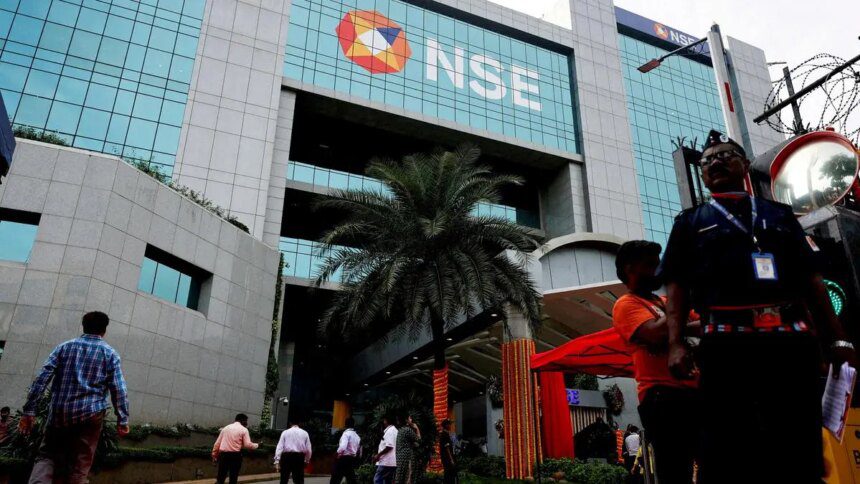

NSE’s IPO Performance: Key Highlights
The initial public offering (IPO) of the National Stock Exchange of India (NSE), amounting to ₹22,568.94 crores, has witnessed a robust response from investors. Following full subscription on the second day of bidding, the price band was established between ₹1,700 and ₹1,785 per share, with a minimum application size of eight shares. As of the third day of bidding, the IPO has attracted considerable interest from institutional investors, indicating strong market confidence.
Subscription Status and Investor Demand
As of September 21, 2026, on the third day of the IPO, the NSE’s offering has been oversubscribed by 1.97 times by 12:33 PM, demonstrating a healthy interest from various classes of investors. Here are the specifics of the demand:
- Qualified Institutional Buyers (QIBs): 2.42 times
- Non-Institutional Investors (NIIs): 3 times
- Retail Investors: 0.96 times
- Employee Portion: 1.94 times
The strong subscription figures from QIBs and NIIs reflect a positive outlook towards the NSE amidst a competitive financial landscape. However, retail participation remains below the desired threshold, raising questions about long-term interest from smaller investors.
Market Context and Comparisons
The IPO of the NSE comes at a time when several companies have also recently entered the market, indicating an ongoing trend towards public listings in India. This specific IPO is noteworthy not just for its size but also because the NSE serves as a crucial platform in the Indian financial market landscape, enabling liquidity for various stakeholders. The exchange’s performance is often seen as a bellwether for investor sentiment in India.
Previous IPOs in India during 2026 have set high benchmarks, and while significant institutional backing can drive subscription rates, retail investor participation is crucial for a balanced market environment. Therefore, while institutional enthusiasm is commendable, the lower retail interest could reflect reservations about valuations or broader market conditions.
What This Means
The ongoing NSE IPO highlights the increasing interest in financial services and stock exchanges among institutional investors, which can signify confidence in India’s economic recovery. For retail investors, however, the lukewarm response may indicate a cautious approach to investing amid high valuations and regulatory uncertainties. This dichotomy in demand also underscores the need for better financial literacy among the retail segment to encourage participation in such landmark offerings.
Frequently Asked Questions
What is the subscription status of the NSE IPO?
As of September 21, 2026, the NSE IPO is subscribed 1.97 times, with specific subscriptions of 2.42 times from QIBs and 3 times from NIIs.
What is the price range for the NSE IPO shares?
The price band for the NSE IPO is set between ₹1,700 and ₹1,785 per share, with a minimum application size of eight shares.
What factors influence retail investor participation in IPOs?
Factors influencing retail participation include perceived company valuations, market conditions, and investor sentiment. In the case of the NSE IPO, retail participation has been below 1x, suggesting potential concerns about valuation or broader economic factors.
How does the NSE IPO compare to other recent IPOs in India?
The NSE IPO is one of the largest in India, reflecting a trend of increasing institutional interest in the stock market. However, its subscription figures for retail investors are considerably lower compared to some previous IPOs in the year, highlighting varying levels of confidence among different investor classes.