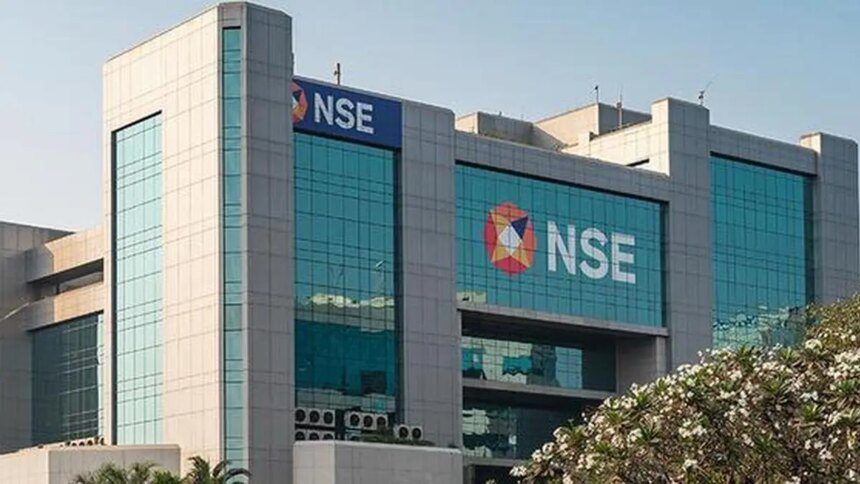

The National Stock Exchange of India (NSE) recently reported a remarkable turnover of Rs 39,718 crore during the Closing Auction Session (CAS) on Monday, marking a significant 22% contribution to its overall cash market turnover. This surge is attributed to the initial implementation of index rebalancing, which aligns trading behaviors of index funds and passive investors with recent benchmark changes.
Record Turnover Highlights Strong Participation
On the day of the CAS, the NSE commanded an impressive 99.9% market share, with more than 98,000 unique investors taking part in the trading session. This marked a staggering 42-fold increase in turnover from the previous trading session, showcasing the effectiveness of the newly introduced CAS mechanism. Such participation rates underscore the growing interest from investors in utilizing innovative trading methods prompted by recent regulatory changes.
Impact of MSCI Rebalancing on Trading Activity
The timing of this high turnover coincided with the MSCI August 2026 Index Review, leading to a significant uptick in trading activity as portfolios realigned with updated benchmark indices. Index rebalancing days generally experience heightened trading volumes as funds and ETFs adjust their holdings, demonstrating how market dynamics can shift based on regulatory timelines. The NSE’s ability to facilitate this activity through its CAS mechanism signifies a step towards integrating global best practices within Indian capital markets.
CAS Achievements in Its Inaugural Month
As of Monday, the CAS completed its first month since its introduction. During this period, the NSE reported a cumulative turnover exceeding Rs 63,000 crore, maintaining a market share of 98.2%. This significant turnover illustrates the mechanism’s effectiveness in consolidating buy and sell interests into a single price discovery process. The CAS not only improves price transparency but also enhances the integrity of closing price determination for stocks on which derivative contracts exist. It operates under a structured auction format, aiming to align Indian practices with those seen in more developed economies.
What This Means
The high turnover recorded during the CAS indicates a positive reception of innovations in trading mechanisms within Indian markets. For investors, this suggests improved opportunities for liquidity and price accuracy during closing sessions. With the introduction of the CAS, investors may benefit from more consistent and transparent pricing in their investment activities. Additionally, the participation rates and substantial turnover can lead to a shift in how market participants plan their investment strategies around index rebalancing activities moving forward.
Frequently Asked Questions
What is the Closing Auction Session (CAS)?
The Closing Auction Session (CAS) is a mechanism introduced by the NSE to determine the closing prices of stocks in the cash segment, consolidating buy and sell interests into a single pricing process to improve market transparency and integrity.
How did the CAS perform in its first month?
In its inaugural month, the CAS achieved a cumulative turnover of approximately Rs 63,000 crore, capturing a market share of 98.2%. This indicates strong participation and effectiveness of the new auction process among investors.
What triggered the increase in trading volume on Monday?
The spike in trading volume on Monday was primarily triggered by the MSCI August 2026 Index Review, which required index funds and other passive investment vehicles to realign their portfolios according to changes in benchmark indices, leading to increased trading activity.
Why is index rebalancing significant for investors?
Index rebalancing is significant for investors as it influences asset prices and can lead to volatility around the rebalancing dates. It necessitates adjustments in investment strategies, particularly for index funds and ETFs, making it crucial for investor planning and execution.