
Three Muslim men were arrested in Karnataka for displaying a Palestinian flag during Mawlid Al Nabi celebrations. This incident has ignited debates over freedom of expression, community tensions, and the implications of India’s legal framework regarding political expression, particularly concerning the Palestinian cause.
The Incident in Shivamogga
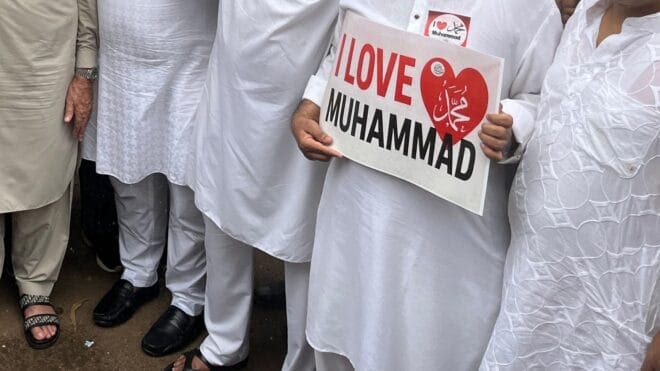
On August 24, in RML Nagar of Shivamogga city, three men—Nihal, Umar, and Abrahar—were apprehended by local police after they displayed a Palestinian flag atop a large cutout celebrating Mawlid Al Nabi, the birthday of the Holy Prophet Muhammad ﷺ. According to the police complaint registered as a First Information Report (FIR), the suspects not only displayed the flag but also filmed the act and shared it on social media, raising concerns about “communal tensions.”
Authorities indicated that such actions could stir unrest, a sentiment emphasized in the FIR which charged the men under provisions of the Bharatiya Nyaya Sanhita (BNS), a law that replaced the Indian Penal Code in July 2024. The specific sections cited include 353(2), 196(1), and 197, which are associated with promoting animosity between communities and potentially opposing national integration.
Context of Political Expression and Communal Tensions
This incident occurred against a backdrop of heightened security measures throughout Karnataka during this year’s Mawlid celebrations. Tensions have been running high as police clamped down on celebrations, forbidding certain activities such as Nasheed music and fireworks. The government has been vigilant about any display associated with Palestinian solidarity, conditioning the environment in which expression is often deemed politically charged.
Additional incidents during the celebrations have involved police confiscating Palestinian flags and intervening in gatherings where confrontations occurred between Hindu and Muslim communities. Such instances signal a growing complexity in how political expressions related to Palestine are treated in India’s current sociopolitical climate, often under scrutiny for invoking communal discord.
Legal Framework and Implications
The legal ramifications of the Shivamogga incident highlight a critical intersection of free speech rights and national security considerations in India. Critics argue that displaying the Palestinian flag symbolizes solidarity with a humanitarian cause rather than incitement to violence or communal hatred. They question the legal basis upon which the police detain individuals for ostensibly harmless political expression, emphasizing that expressions of solidarity should not, by themselves, provoke criminal charges.
Moreover, Indian courts have clarified in past rulings the necessity for substantial evidence when designating speech as “provocative.” This indicates that the mere display of symbols is insufficient for legal action unless direct evidence of incitement can be demonstrated. The ongoing investigation in this case will test these principles, requiring a careful examination of the incident’s context, actions taken, and materials circulated.
Why It Matters
This incident highlights the challenges faced by minority communities—especially Muslims—in India. The legal actions taken against the three men underscore a broader trend where expressions of solidarity for political causes, particularly relating to Palestine, are met with harsh scrutiny. The response from the authorities reflects an increasing anxiety around communal relations in India, further complicating the contours of free expression and political identity for marginalized groups. It raises questions of legal overreach and the extent to which rights to expression are protected under current laws, even as they correlate with political sensitivities.
Frequently Asked Questions
What were the charges against the three men in Karnataka?
The men were charged under provisions of India’s Bharatiya Nyaya Sanhita for actions that allegedly could promote hostility between communities and threaten national integration.
What led to the police intervention during Mawlid celebrations?
The police intervened due to heightened security concerns and prior incidents where Palestinian flags were displayed, which were believed to be provocative and could inflame communal tensions.
How does the Indian legal framework treat political expression?
Indian law allows for free speech but includes provisions that criminalize acts that promote communal disharmony or threaten national integrity, leading to varying interpretations in politically sensitive situations.
Is displaying a Palestinian flag considered a crime in India?
While simply displaying the flag is not illegal, its context and the circumstances surrounding its display can lead to legal action if perceived as promoting communal unrest.