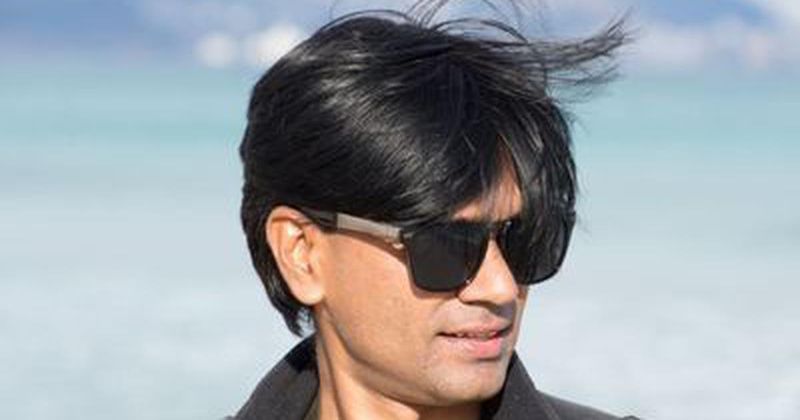

A bench of Justices Mahesh Chandra Tripathi and Prashant Kumar of the Allahabad High Court has recused itself from hearing fact-checker Mohammed Zubair’s plea against the Uttar Pradesh police’s FIR. The FIR accuses Zubair of promoting enmity between religious communities following a controversial post regarding Hindu extremist leader Yati Narsinghanand.
Background on the FIR Against Zubair
The FIR against Mohammed Zubair was lodged by Udita Tyagi, the general secretary of the Yati Narsinghanand Saraswati Trust. It alleges that Zubair’s social media post, which included a video clip of an earlier program featuring Narsinghanand, incited violence from Muslims against the controversial leader. The UP Police have since included charges under Section 152 of the Bharatiya Nyaya Sanhita (BNS), which refers to offenses endangering India’s sovereignty, unity, and integrity.
Legal Arguments Presented by Zubair
In his plea, Zubair contends that his social media activity does not advocate for violence, but rather aims to alert the authorities about Narsinghanand’s conduct and seek legal accountability against him. He asserts that merely disseminating publicly available material does not constitute defamation. Zubair’s legal team has argued that the FIR mischaracterizes his actions, equating them to ‘promoting disharmony’ between religious groups when they were merely an expression of concern over the incendiary statements made by Narsinghanand.
Bench Recusal and Implications
The bench’s decision to recuse itself from the case just 20 minutes into the proceedings emphasizes the sensitivity surrounding the matter. Following the recusal, the case has been directed to another bench for further examination. This move is crucial given the high-profile nature of Zubair’s case, which intersects deeply with issues of religious sentiment and the role of social media in contemporary discourse in India.
Why This Matters
This case is emblematic of the ongoing tensions in India regarding religious freedom, free speech, and the politics of identity. Zubair, known for his fact-checking work, has previously been a target of political backlash, often raising concerns about how dissenting voices are treated in the current political climate. The outcome of his case may influence future legal battles regarding religious speech and the sanctity of public discourse, particularly as it pertains to the actions of religious figures like Narsinghanand, who have been vocal in promoting communal distinctions. Additionally, it may set a precedent for how charges of inciting enmity between religious groups are addressed in the judicial system.
Frequently Asked Questions
Who is Mohammed Zubair?
Mohammed Zubair is a well-known fact-checker and journalist in India, frequently called upon to assess the veracity of claims made on social media related to political and social issues.
What is the basis of the FIR against Zubair?
The FIR accuses Zubair of promoting enmity between religious communities and intends to incite violence against Yati Narsinghanand through a social media post featuring a video clip of Narsinghanand’s past statements.
What does Zubair’s legal team argue?
Zubair’s legal team argues that his post aimed to raise awareness about Narsinghanand’s actions and cannot be interpreted as promoting violence or defamation, as it merely presented publicly available material.
What are the implications of the bench recusal?
The bench recusal highlights the sensitivity of the case and may indicate the high stakes involved, prompting a need for careful judicial consideration on matters intersecting social media, religious discourse, and public safety.