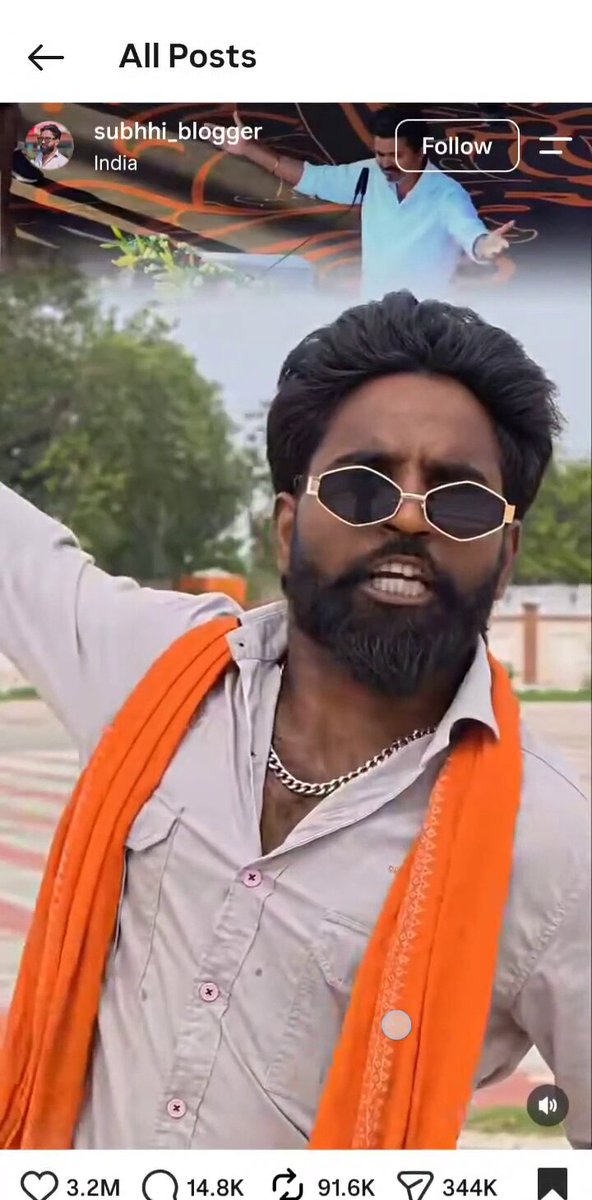

Recently, several Hindi social media influencers have made exaggerated claims about Tamil Nadu Chief Minister Vijay Thalapathy’s stance towards Prime Minister Modi following a hike in petrol and diesel prices. They allege that CM Vijay issued an ultimatum regarding state tax exemptions, which has been strongly contested as misleading.
Context of the Claims
On the backdrop of a ₹3 per litre increase in both petrol and diesel prices, CM Vijay expressed strong disapproval of the hike, labeling it as unacceptable. This response from the Chief Minister was initially a call for accountability towards rising fuel prices that affect the masses. However, it sparked an avalanche of social media content, particularly from Hindi influencers, who misinterpret and amplify his statements, spinning narratives that suggest he took a stronger adversarial position against PM Modi.
Dissecting Misleading Narratives
According to political commentator Mohammed Zubair (@zoo_bear), a wave of influencers has been circulating misleading narratives about CM Vijay. These narratives include fabricated claims that the Chief Minister appealed in the High Court to ban cow slaughter in Tamil Nadu. Contrary to this assertion, it was the state government that challenged a court-ordered ban on cow slaughter, reinforcing the necessity to scrutinize the sources and accuracy of social media claims. The influencer community’s repetitive delivery of the same exaggerated scripts raises questions about their credibility and intentions, likely aimed at virality rather than factual reporting.
The Role of Social Media in Political Discourse
The influence of social media platforms in shaping public perception of political matters cannot be underestimated. With misleading claims garnering millions of views and likes, there’s a growing concern about the potential ramifications on political trust and civic understanding. The spread of misinformation not only distorts public discourse but also serves to polarize communities, particularly when a particular narrative gains traction among a targeted audience. The coalescence of social media and politics creates an environment where fact-checking and accountability become crucial as influencers wield significant power over popular opinion.
Why This Matters
The implications of this situation transcend just individual claims; they highlight the evolving landscape of political communication in India. As misinformation continues to proliferate, it threatens to undermine democratic processes. The manipulative narratives surrounding leaders can shape public sentiment, potentially influencing electoral outcomes and policy discussions. In a diverse and vibrant democracy like India, voters must remain vigilant against such distortions to ensure informed participation in governance.
Frequently Asked Questions
What was the actual statement made by CM Vijay regarding petrol prices?
CM Vijay labeled the recent ₹3 per litre hike in petrol and diesel prices as unacceptable, expressing his discontent towards the increase and its impact on the public.
Are the claims of CM Vijay issuing an ultimatum to PM Modi true?
No, these claims are exaggerations and misleading representations made by social media influencers. CM Vijay did not issue an ultimatum regarding state tax exemptions.
Why is misinformation on social media a concern?
Misinformation can distort public perceptions, polarize communities, and undermine trust in political leaders and institutions, affecting democratic processes.
How can one verify the authenticity of claims made on social media?
Fact-checking through reliable news outlets, cross-referencing multiple sources, and scrutinizing the credibility of the information and its promulgators can help verify claims made on social media.