
Key Claim Overview
A recent social media claim made by Arun Yadav incorrectly identifies the accused in a violent incident involving a schoolgirl as “Abdul.” However, this has been fact-checked by Alt News, which confirms that the accused is actually Aryan Waghmale. This misidentification reflects both the potential for misinformation on social media and the need for accurate reporting in criminal cases.
Context of the Incident
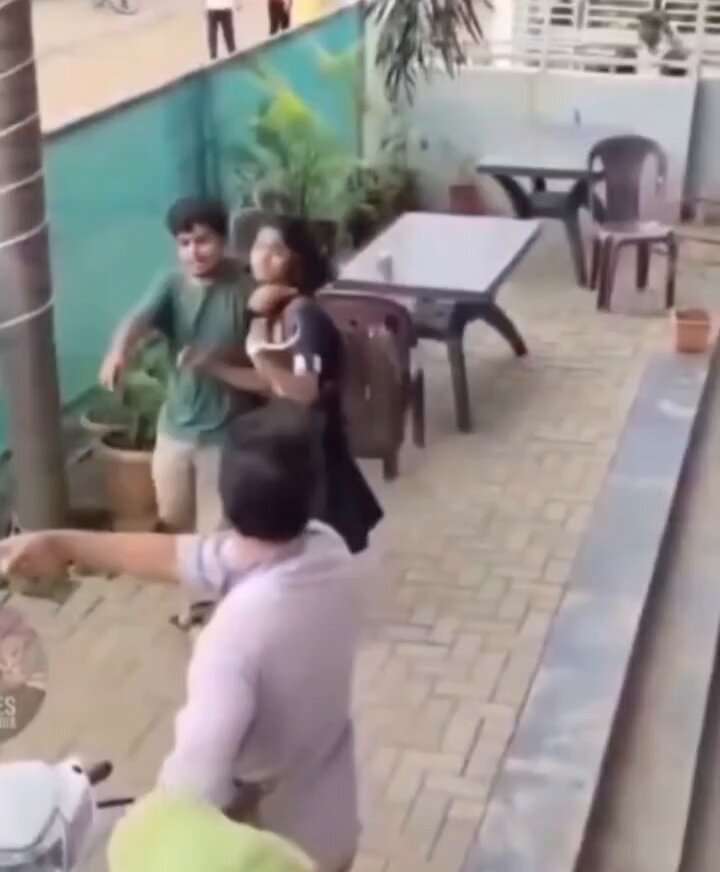
The incident in question involves a schoolgirl who was reportedly threatened with a knife by Aryan Waghmale. According to Yadav’s tweet, the girl resisted Waghmale’s advances, leading to a confrontation where he allegedly attempted to take her hostage. Another individual intervened, which resulted in the situation being defused. This narrative of heroism and human decency serves to contrast against the more sensational aspects of the story.
The Role of Misinformation
In the realm of Indian politics and social discourse, misinformation can spread rapidly, especially on platforms such as Twitter. The misidentification of the accused in this case speaks to a broader issue where communal tensions can be exacerbated by false narratives linking crime to specific religious identities. The fact-check by Alt News is crucial not just for the accuracy of this story but also for highlighting how easily misinformation can take root. Such inaccuracies can fuel social unrest and further divide communities along religious lines.
The Reactions on Social Media
Yadav’s tweet resonated with his followers, showcasing the emotional turmoil associated with protecting children and standing up against violence. However, the subsequent clarification by Alt News has prompted a necessary discussion about the consequences of spreading unfounded claims. While the defense of the girl was portrayed as an act of bravery, the use of incorrect names raises questions about the motivations behind such narratives—whether they are intentionally misleading or simply a product of ignorance.
Why This Matters
The implications of inaccurate reporting extend far beyond mere factual errors; they reflect a growing trend in Indian social media where the narratives can shape public sentiment and policy discussions. In a nation grappling with communal tensions, the ability to accurately convey the truth is paramount. Misidentifying individuals involved in crimes can lead to unjust stigmas and escalate tensions among communities. As society becomes increasingly polarized, the pressure for news organizations and journalists to fact-check and verify claims becomes ever more critical.
Frequently Asked Questions
Who is the accused in this incident?
The accused in the incident is Aryan Waghmale, as confirmed by Alt News, contradicting the initial claim naming him as Abdul.
What does Alt News say about the incident?
Alt News conducted a fact-check and clarified that the spreading of misinformation could lead to communal tensions and social unrest.
Why is it important to accurately report such incidents?
Accurate reporting is essential to prevent the spread of misinformation, which can exacerbate existing societal divides and fuel communal tensions.
What was the reaction on social media?
Many users reacted to Arun Yadav’s tweet, highlighting the bravery of intervening individuals, but the spread of erroneous information sparked a necessary discussion on the importance of fact-checking in reporting.