Summary
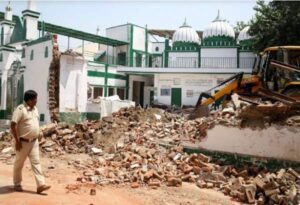
Recent demolitions of mosques and Islamic educational centers in Uttar Pradesh, India, highlight escalating tensions and claims of discrimination against the Muslim community amid the policies of the Sangh and BJP governments. Authorities have framed these demolitions as a response to illegal encroachments and violations of land laws, while local Muslims argue they are acts of religious marginalization targeting their historical and cultural sites.
Demolition Campaigns: A Closer Look
According to the Taghrib News Agency, local authorities are invoking land laws and construction regulations to justify the demolition of religious sites. Bulldozers have been used extensively in these operations, which are described by officials as part of a state initiative against illegal construction. For instance, in Ghaziabad’s Dasna area, an Arabic Islamic school was torn down under the government’s alleged campaign for law enforcement. Such actions have raised alarms over the targeting of Islamic institutions, generating fear among community members about the future of their cultural and religious practices.
Historical Significance and Community Response
In Varanasi, another notable case involved the demolition of the nearly 200-year-old “Ajghi Shahid” mosque during a nighttime operation. This mosque is not only a religious site but also houses an adjacent cemetery with substantial historical value. Officials claimed the mosque was constructed on land owned by the railway authority, thus justifying the demolition following a court ruling. However, local Muslim leaders have pushed back, emphasizing the mosque’s cultural importance and condemning the alleged disregard for community sentiments in the planning process. This event underscores a broader narrative of eroding communal harmony amidst aggressive urban policies and development plans that seemingly sideline minority voices.
State Response and Security Measures
Authorities have taken extensive security measures during these demolition operations, deploying forces to maintain public order and prevent potential unrest. This strategy reflects an acute awareness of the volatile atmosphere surrounding these actions. Local populations often express feelings of siege and exclusion, stemming from a perception that their rights and cultural heritages are being systematically undermined. Observers note that this could set a precedent, potentially normalizing a cycle of discrimination and exclusion that marginalizes minority communities across India.
Why It Matters
The implications of these demolitions extend beyond local contexts and into broader socio-political dynamics. The incident raises crucial questions about the intersection of law, religion, and minority rights in India, particularly under the current governance. For a global audience, these events highlight concerns about increasing intolerance and the potential for further marginalization of already vulnerable communities. Understanding the motivations behind these actions could hopefully inform more equitable discussions on governance and social inclusion in the region, which remains critical to maintaining communal harmony in a diverse society.
Frequently Asked Questions
What led to the demolitions of mosques in Uttar Pradesh?
Local authorities have cited violations of land laws and construction regulations, describing the actions as part of a campaign against illegal encroachments and ensuring law enforcement.
What was the response from the local Muslim community?
Community leaders have criticized the demolitions, emphasizing the historical and cultural significance of the affected sites and expressing concerns over their perceived marginalization amid state-led actions.
Were the demolitions legally justified?
Officials claim that necessary legal procedures and court rulings were followed before the demolitions, though critics argue that these decisions overlook community rights and historical contexts.
How are security measures being implemented during these operations?
Extensive deployments of security forces have been reported to maintain public order and prevent unrest, reflecting the government’s awareness of the tensions surrounding these actions.