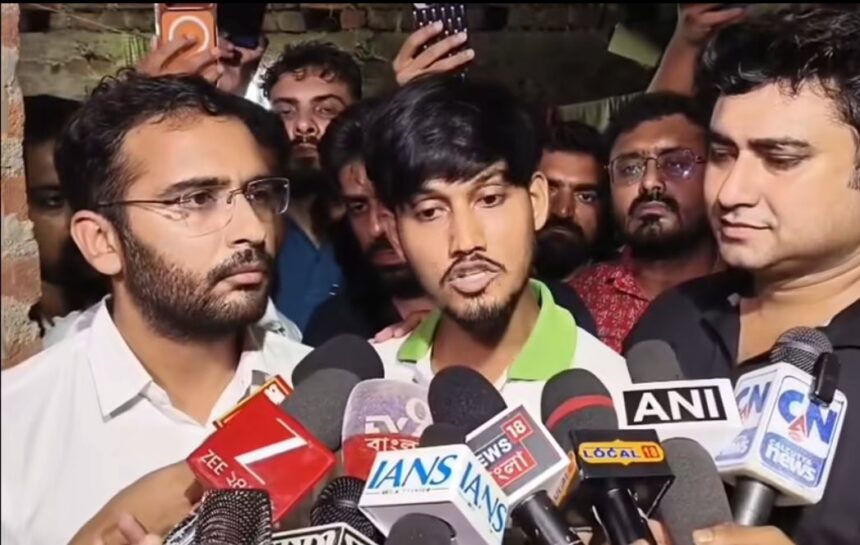

A tragic incident unfolded in West Bengal’s Bankura district where 51-year-old Mohammad Mafik died after allegedly being assaulted by local members of the Bharatiya Janata Party (BJP). His son, Sekh Abdul Hafeez, a worker with the Cockroach Janta Party (CJP), was documenting the dismal conditions of a local school when the attack occurred. Following the incident, eight individuals have been arrested.
Incident Overview
The incident took place on August 15, as Mafik reportedly intervened to protect his son from an attack by BJP supporters. The atmosphere of political violence and intimidation has been a persistent issue in certain regions of West Bengal, particularly against activists of opposing parties. The assault not only highlights the risks faced by political activists but also raises questions about the safety of citizens who dare to speak out against dominant political narratives.
Activism and the Right to Education
Abdul Hafeez was in the process of documenting the deplorable state of a local school, aiming to shed light on the urgent need for educational reforms. His father’s tragic death has amplified the calls for improved educational infrastructure in the region. In a poignant statement following the incident, Hafeez remarked that he does not seek compensation; instead, he wishes for the funds to create a world-class school, emphasizing the necessity for investment in education over monetary restitution. This perspective underscores a deeper concern for the future generations and the role education plays in societal development.
The Political Climate in West Bengal
The incident is symptomatic of the fraught political climate in West Bengal, where local BJP leaders and supporters have been accused of using violence to suppress dissent. The ongoing battles between political factions reflect broader tensions in Indian politics, particularly with the BJP’s ascendancy in various states. Such acts of violence not only impact the immediate victims but also have a chilling effect on political engagement among citizens, who may fear repercussions for standing up against powerful parties.
Why This Matters
This incident holds significant political implications for Indian readers. It sheds light on the escalating violence against political opponents, raising alarms about democratic freedoms and the safety of activists. As debates around education, civic rights, and political violence unfold, it is essential to focus on the need for accountability and reforms. The public outcry following Mafik’s death could potentially galvanize support for protections against political violence and invigorate discourse on educational reform in the region.
Frequently Asked Questions
Who were involved in the incident?
The incident involved Mohammad Mafik, his son Sekh Abdul Hafeez (a CJP activist), and local BJP supporters. Following the attack, eight individuals were arrested.
What was Abdul Hafeez doing at the time of the incident?
Abdul Hafeez was documenting the poor condition of a local school when the attack occurred, highlighting critical issues in educational infrastructure.
What does Abdul Hafeez wish to see as a result of his father’s death?
Abdul Hafeez expressed a desire for the funds meant for compensation to be used to build a world-class school, emphasizing the importance of educational development.
What is the broader significance of this incident in Indian politics?
This incident sheds light on the ongoing political violence in West Bengal and raises concerns about the safety of political activists, which is relevant to discussions about democracy, free speech, and civic rights in India.