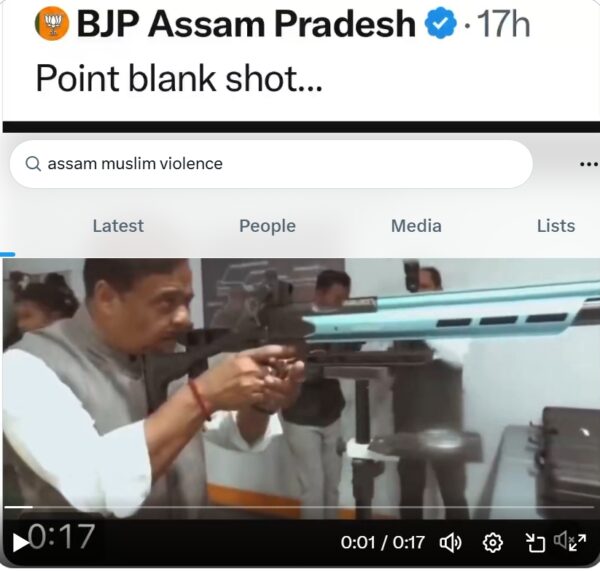

Since the rise of the Hindu nationalist Bharatiya Janata Party (BJP) in 2014, India has witnessed alarming patterns of anti-Muslim violence, discrimination, and marginalization. In states like Assam and Uttar Pradesh, systemic persecution and human rights violations against the Muslim community have significantly intensified, raising urgent concerns regarding the normalization of such violence at both local and national levels.
Escalating Violence and Systematic Discrimination
The targeting of Muslims in India has escalated alarmingly over the past decade. The report by the Panel of Independent International Experts reveals that Muslims are frequently subjected to extrajudicial killings, arbitrary detentions, and torture, predominantly in BJP-ruled states like Uttar Pradesh and Assam. Public authorities are reported to engage in collective punishment against these communities, often justified under superficial pretexts. Hindu militant groups, aligned with the BJP, exert considerable influence, facilitating violence against Muslims through collaboration with local authorities.
Chief Minister Yogi Adityanath of Uttar Pradesh and Hisanta Biswa Sarma of Assam are key figures fueling this environment of hostility. Both leaders have been criticized for implementing laws and policies that further marginalize Muslims. Their public statements have often framed Bengali-speaking Muslims as threats to national security, inciting violence through language that signifies an impending “last battle” for survival. This rhetoric creates a dangerous climate for Muslims, effectively preparing the ground for potential ethnic cleansing.
The Role of Institutions and Legal Frameworks
The systematic framework of discrimination against Muslims is supported by various laws that are disproportionately applied. The National Security Act and Unlawful Activities Prevention Act are just a few examples where legal mechanisms have been weaponized to target Muslims, offering a semblance of legitimacy to state-led human rights violations. Reports indicate that local authorities have taken liberties to demolish homes and businesses belonging to Muslims, legitimizing violence through state-sanctioned initiatives.
As such abuses continue unchecked, the normalization of violence against Muslims paired with the complicity of state and local government actors raises serious concerns regarding the trajectory of human rights in India. Under the premise of national security, the attacks on Muslim livelihoods have not only eroded their social status but have also contributed to the wider atmosphere of fear and dehumanization of the community.
The International Perspective
International experts, including those involved in prosecuting war crimes in Rwanda, highlight that anti-Muslim rhetoric in India mirrors warning signs seen in past genocides, where early incitement led to widespread violence. The recommendations of international bodies, including calls for accountability through prosecutions under international law, emphasize the global responsibility to address such violations, particularly as they begin to resemble crimes against humanity.
As the report indicates, there are growing parallels between the current situation in India and historical cases of ethnic violence observed globally. The manifestation of hate and systemic violence against Muslims, if left unaddressed, could escalate to more severe forms of conflict, making international observation and intervention even more critical. The urgent need for accountability through external pressure is gaining momentum, particularly as domestic mechanisms fail to protect minority rights.
Why It Matters
The ongoing violence and marginalization of Muslims in India represent significant implications for the global community. As countries become more aware of these human rights violations, the ethical responsibilities to respond intensify. For policymakers and advocates, the situation in India serves as a litmus test for the effectiveness of international human rights frameworks and the moral obligation to intervene when genocide or ethnic cleansing appears imminent. Failure to act could further entrench a culture of impunity and embolden similar movements elsewhere, potentially destabilizing broader geopolitical regions.
Frequently Asked Questions
What actions have been taken against anti-Muslim violence in India?
While various public organizations and advocates continue to raise concerns about anti-Muslim violence, state mechanisms have largely failed to hold perpetrators accountable. Reports indicate a troubling lack of judicial recourse for victims of violence.
How do the BJP and associated groups influence this violence?
The BJP, along with affiliated organizations like the Rashtriya Swayamsevak Sangh (RSS), actively perpetuates a narrative that dehumanizes Muslims, legitimizing violence against them through their influence in political and social institutions.
Could international intervention help the situation in India?
International observers argue that intervention, through mechanisms like the International Criminal Court (ICC), could hold perpetrators accountable and compel the Indian government to take necessary measures to protect vulnerable populations and uphold human rights standards.
What are the potential long-term repercussions of this violence?
If the current trajectory of violence and marginalization continues, it could not only lead to severe humanitarian crises but also disrupt communal harmony, instigate larger conflicts, and pose serious threats to regional stability.