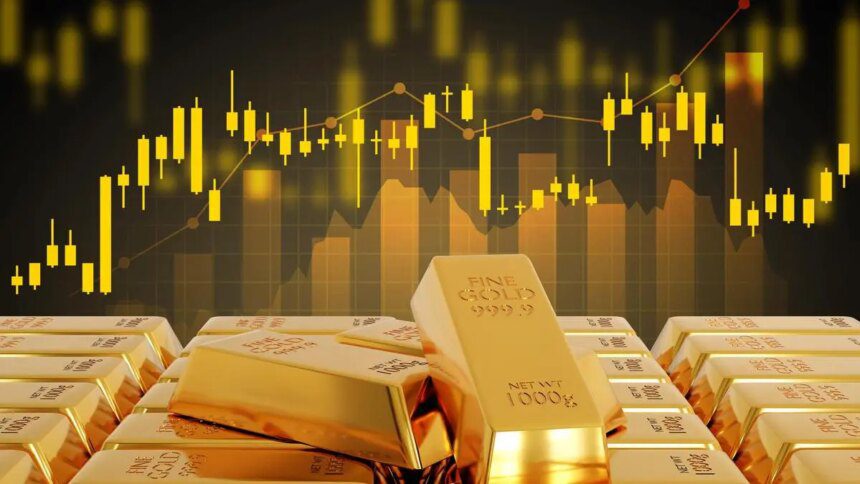

Gold and silver prices in India are likely to see a bullish trend next week, with expectations anchored on recent geopolitical developments and global economic data. Despite this optimism, analysts caution about potential volatility driven by factors such as the situation in West Asia and a wave of important economic indicators set to be released globally.
Current Trends in Precious Metals
Gold futures for October delivery experienced a significant uptick last week, rising by ₹2,686, nearly 2%, to close at ₹1.54 lakh per 10 grams on the Multi Commodity Exchange (MCX). Meanwhile, the September contract for silver also saw substantial gains, escalating by ₹4,458, or 1.9%, to ₹2.35 lakh per kilogram. This upward movement is a reflection of strong market sentiment and could lead to further price increases, with forecasts suggesting gold may approach ₹1.57 lakh per 10 grams and silver ₹2.54 lakh per kilogram, according to Pranav Mer of JM Financial Services Ltd.
International Market Influence
In global markets, Comex gold futures for December delivery rose by $37.6 (approximately 1%) last week, reaching $4,437.3 per ounce, while silver prices increased by $1.61 (2.5%), hitting $65.11 an ounce. This upward trajectory in international prices is significant for Indian markets as they often set the benchmark for local prices. Analysts point out that gold has rallied by over 11% from recent lows, although there is a note of caution regarding increased profit-booking at elevated levels. Safe-haven demand has been a compelling factor, especially in light of ongoing geopolitical tensions, particularly in West Asia, where conflicts involving Iran and the U.S. have created a sense of instability.
Key Economic Indicators to Watch
As the market continues to evolve, several economic indicators will be pivotal in shaping investor sentiment. Key metrics include U.S. housing and trade data, inflation figures from major economies like the UK, Eurozone, and Japan, as well as economic indicators from China related to industrial metals. The minutes from the Federal Reserve’s latest meeting will also be scrutinized for insights regarding future monetary policy decisions, particularly in relation to interest rates. These factors could have a direct impact on gold and silver prices in India, given the interconnectedness of global markets.
What This Means
The forecasted rise in gold and silver prices could have far-reaching implications for Indian consumers and investors. As these precious metals are often seen as a hedge against inflation and currency fluctuations, an upward trend might encourage more buying, particularly ahead of the festival season in India when gold purchases typically surge. Moreover, rising prices in global markets could lead to increased import costs for India, which might subsequently affect local prices. Understanding these dynamics is crucial for any stakeholder in the Indian gold and silver markets, including jewelers, traders, and everyday consumers.
Frequently Asked Questions
Will gold prices rise due to geopolitical tensions?
Yes, geopolitical instability, especially in regions like West Asia, often drives safe-haven demand for gold, which can contribute to price increases.
How do global economic indicators affect Indian gold prices?
Global economic data, such as inflation and employment figures, influence investor sentiment and can lead to changes in gold prices internationally. These changes usually reflect in the Indian market due to the globalization of commodity trading.
What is the impact of the U.S. Federal Reserve’s decisions on gold prices?
The Federal Reserve’s monetary policy directly affects interest rates; lower rates typically make gold more attractive as an investment, which can push prices higher.
Why is silver also seeing price increases?
Silver often trends alongside gold but is also influenced by its industrial demand. Recent movements in industrial metal prices can affect silver valuations, which is why both metals are often considered in tandem.