
Israeli settlers have besieged the Palestinian village of Qusra, cutting off essential supplies to local families for over a week. The ongoing conflict highlights the escalating tensions in the West Bank, with implications not only for Palestinians but also for the broader Middle Eastern geopolitical landscape.
Details of the Siege in Qusra
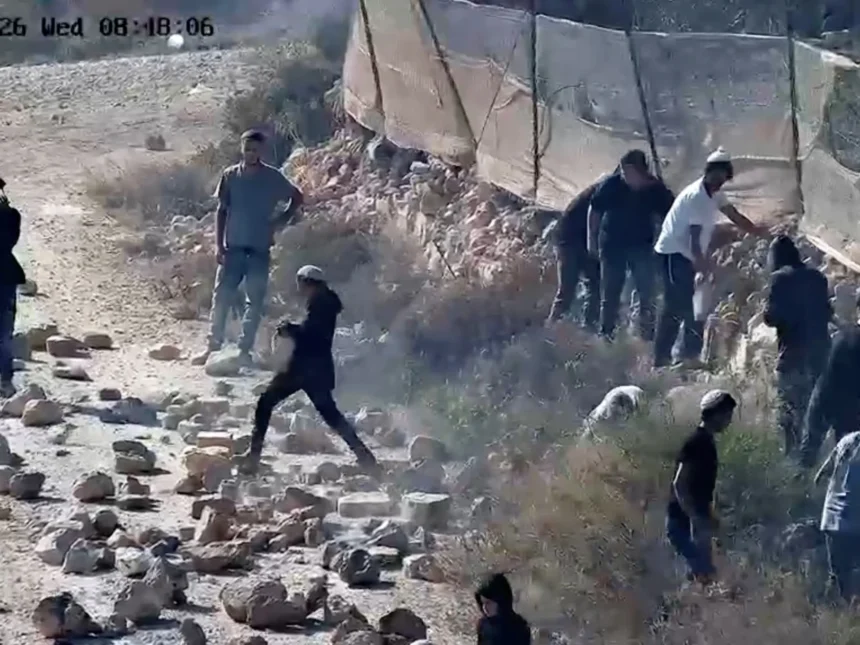
As of Sunday, it has been one week since Israeli settlers surrounded three Palestinian homes in the Ras al-Ain area of Qusra, located south of Nablus. Since August 9, settlers have cut off water and electricity to about 15 residents, including two children under the age of seven and a child of a dual US citizen. Local families report that settlers have sought to claim their properties for months, exacerbating tensions in the region.
On Thursday, the Israeli military intervened by ordering residents to vacate two of the homes, forcing them into the third. Notably, US Ambassador to Israel Mike Huckabee, known for his supportive stance on Israeli settlements, labeled the settlers as “Israeli terrorists.” This statement further complicates the narrative and raises questions about the role of international diplomacy in the conflict.
In the face of this hostility, the UN and Palestinian Ministry of Foreign Affairs have condemned the siege as inhumane, while the Israeli army has declared the area a closed military zone, restricting access for Israeli and foreign activists attempting to deliver aid.
The Larger Context of Settler Violence
Data from the UN Office for the Coordination of Humanitarian Affairs indicates that there has been a significant rise in settler violence. Between January and June 2025, there were over 3,000 reported attacks, averaging six incidents per day in the occupied West Bank. These intensified assaults coincide with an expanded push for Israeli settlements, which are deemed illegal under international law.
In recent months, communities like nearby Jalud have also faced similar sieges, resulting in displacement for Palestinian families as settlers move in. Qusra has particularly suffered, having experienced attacks that included the destruction of a local mosque just last month, signaling an alarming pattern of violence that includes property destruction and personal threats.
Impact of Government Policies
Following the outbreak of conflict in Gaza on October 7, 2023, incidents of land grabs and settler violence have surged under the guidance of Prime Minister Benjamin Netanyahu’s right-wing government. Policies advocating for the rapid expansion of settlements have further fueled tensions, placing the Palestinian population under constant threat. With an estimated 700,000 Israelis residing in settlements and about three million Palestinians in the West Bank, the demographic and political landscape is increasingly fraught with challenges.
Analysts suggest the Israeli government’s backing of these actions not only worsens the humanitarian crisis but also destabilizes the possibility for any future peace negotiations, creating a cycle of violence and retribution that affects both communities.
What This Means
For Indian readers, understanding the dynamics of the Israeli-Palestinian conflict is critical, considering India’s historical support for the Palestinian cause. The ongoing situation in Qusra highlights the plight of civilians amidst geopolitical conflict. The international community, including rising powers like India, may need to play a more active role in advocating for human rights and exploring potential peace solutions. India’s relationships in the Middle East, along with its stance on international law, can influence diplomatic efforts and humanitarian aid initiatives in conflict zones like these.
Frequently Asked Questions
What is happening in Qusra?
Israeli settlers have besieged the Palestinian village of Qusra, cutting off essential supplies like water and electricity to local families for over a week, leading to a humanitarian crisis.
Why are Israeli settlers attacking Palestinian homes?
Settlers often seek to claim Palestinian properties, fueled by government policies supporting settlement expansion, leading to increased violence and displacement of local communities.
What has been the international response?
The siege has been condemned by the UN and other international bodies, with calls for humanitarian intervention as conditions for the residents worsen.
How does this affect peace negotiations?
Continued violence and settlement expansion significantly hinder the potential for future peace negotiations, intensifying the cycle of conflict and retaliation between Israeli settlers and Palestinians.