
Millions Gather for Arbaeen Pilgrimage Amid Tensions
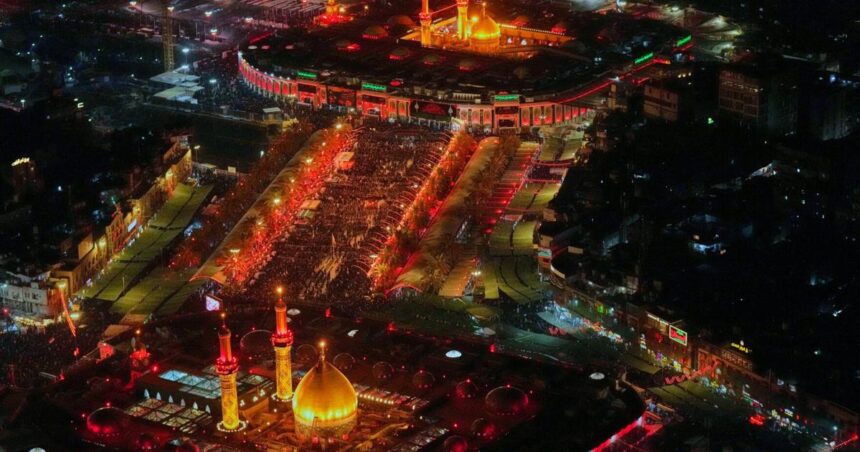
BAGHDAD (AP) — The annual Arbaeen pilgrimage saw millions of Shiite Muslims flock to Karbala, Iraq, on Tuesday. This event is marked against a backdrop of growing regional tensions and concerns about the potential for renewed conflict in the U.S.-Iran dynamic.
Understanding Arbaeen: A Historical Significance
Arbaeen occurs 40 days after Ashoura, which memorializes the martyrdom of Imam Hussein, a pivotal figure in Islamic history and the grandson of the Prophet Muhammad. The Battle of Karbala in 680 A.D. is central to Shiite beliefs, symbolizing the struggle against tyranny and injustice. During Arbaeen, pilgrims engage in various rituals, including walking long distances to reach the holy city, reaffirming their faith and solidarity.
The Current Landscape: Regional Tensions and Pilgrimage Safety
As millions participated in the pilgrimage, concerns loomed about safety and security. With geopolitical unrest in the region, participants face heightened risks, prompting increased security measures. The pilgrimage serves not only as a religious observance but also as a demonstration of communal strength in the face of adversity. The Iraqi government has a vested interest in ensuring the safety of its citizens and the diplomatic relations that accompany such large gatherings.
Why It Matters
The significance of the Arbaeen pilgrimage extends beyond religious observance. It reflects ongoing social dynamics, where practices of faith intersect with broader sociopolitical issues. The pilgrimage underscores the resilience of the Shiite community amidst adversity, enhancing cultural identity while also raising awareness of the socio-political challenges they navigate, including discrimination and economic exclusion. Understanding these themes is crucial for global audiences, especially in contexts of interfaith dialogue and international relations.
Frequently Asked Questions
What is the Arbaeen pilgrimage?
The Arbaeen pilgrimage commemorates the martyrdom of Imam Hussein, taking place 40 days after Ashoura, when millions of Shiite Muslims walk to the holy city of Karbala in Iraq.
Why is Imam Hussein significant to Shiite Muslims?
Imam Hussein is revered for his stand against tyranny and injustice, symbolizing the ultimate sacrifice for one’s beliefs. His legacy is central to Shiite identity and faith.
What are the security concerns during the pilgrimage?
Security concerns during Arbaeen stem from regional tensions, including geopolitical conflicts and potential threats to public safety, necessitating increased governmental protection for participants.
How does Arbaeen affect the local economy in Iraq?
The pilgrimage significantly impacts the local economy by stimulating businesses, including accommodations, food services, and transportation, while also highlighting the socio-economic challenges faced by residents in Iraq.