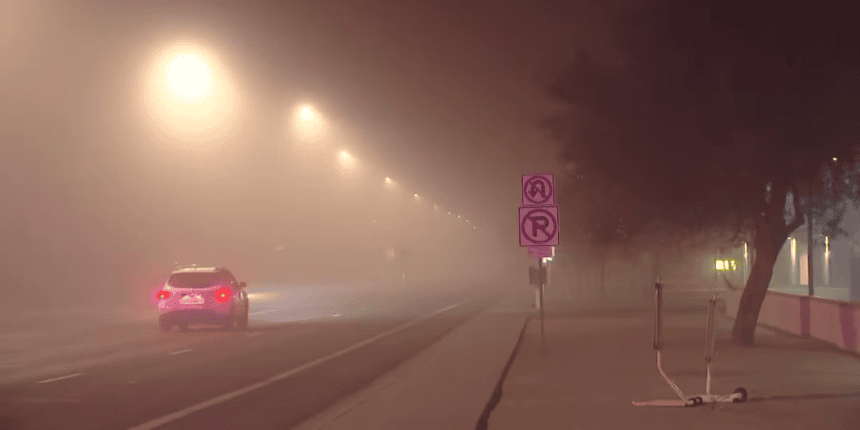

TEMPE, AZ (AZFamily) — A recent dust storm that swept through the Phoenix Valley has been classified as a Category 5 on the PHX Dust Storm Scale, marking it as one of the most severe events in recent history. With unhealthy air quality persisting in the region into Tuesday evening, the significant health risks associated with such storms are becoming increasingly clear.
Understanding the PHX Dust Storm Scale
The PHX Dust Storm Scale, developed by a team at Arizona State University, is designed to assess the severity of dust storms in the Valley. Category 5 events, like the one recently experienced, are exceptionally rare. Dr. Ryan Heintzman, a professor at ASU’s School of Geographical Sciences and Urban Planning, highlighted that in the last 15 years, this marks only the fifth instance of a Category 5 storm.
The scale evaluates the concentration of dust and particulate matter in the air. Ratings span from 1 to 5, with higher categories indicating more severe conditions. For context, an individual exposed to dust during a Category 1 event might inhale around 250,000 dust particles, whereas during a Category 5 event, that number skyrockets to over a million.
Health Risks Associated with Dust Storms
Dr. Frank LoVecchio, another ASU professor and an emergency room physician, points out that some groups are more vulnerable during such dust events. “Individuals with lung or heart diseases, the very young, the elderly, and those who are immunosuppressed are at greater risk during this time,” Dr. LoVecchio noted. It’s vital for these individuals to take precautions during dust storms to minimize exposure and health risks.
Health experts emphasize the importance of staying indoors during high-category dust storms, especially for those with pre-existing health conditions. With respiratory issues on the rise, protecting vulnerable populations is paramount as dust concentrations increase.
Monitoring Dust Storms Effectively
To better inform residents about current dust storm conditions, ASU has introduced a new dust storm dashboard. This tool provides real-time updates on storm categories and assesses their impact on specific neighborhoods across the Valley. Such initiatives aim to enhance community awareness and help individuals make informed decisions during these adverse weather conditions.
Residents can now easily track the status of dust storms in their area and implement necessary precautions, such as staying indoors or using air purifiers, to safeguard their health during severe dust events.
Why This Is Trending
The recent dust storm has garnered attention from the Indian audience as climate-related events increasingly affect urban areas worldwide, including India. Dust storms and their health ramifications are a pressing concern, particularly for densely populated cities. As climate change worsens air quality issues globally, many are looking for information on how to protect themselves during similar events. Furthermore, with growing urbanization in India, lessons from regions like Phoenix are invaluable as cities grapple with their own air quality challenges.
Frequently Asked Questions
What is a Category 5 dust storm?
A Category 5 dust storm is the highest rating on the PHX Dust Storm Scale, indicating extremely high concentrations of dust in the air, which can pose serious health risks to exposed individuals.
Who is most at risk during a dust storm?
Individuals with lung or heart diseases, the elderly, young children, and those with weakened immune systems are at greater risk during dust storms and should exercise caution.
How can I monitor dust storm conditions?
You can monitor dust storm conditions through local dashboards or websites that provide real-time updates on dust storm categories and their impact on specific areas.
What precautions should be taken during a dust storm?
It is advisable to stay indoors, use air purifiers if available, and avoid outdoor activities during severe dust storms to minimize exposure to harmful particles.