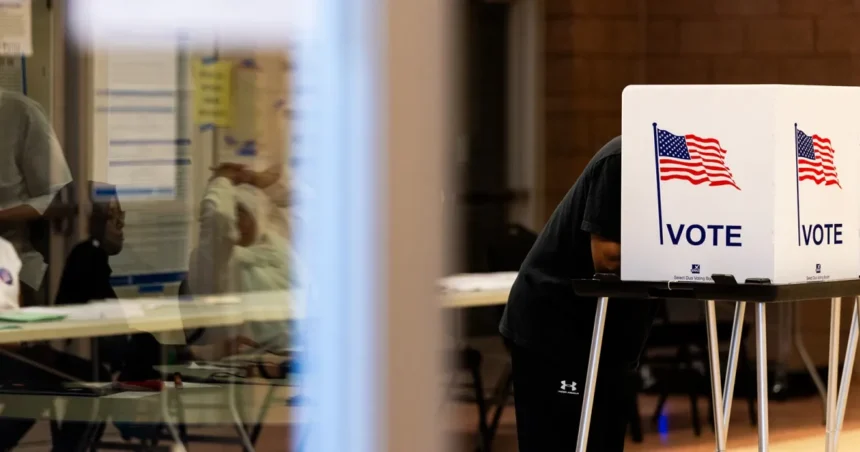

With the upcoming 2026 midterms, the political landscape in the United States is dramatically influenced by economic concerns. Observers note that voters are increasingly frustrated with a system they feel neglects them, leading to a surge in support for progressive candidates and a reevaluation of established political power dynamics.
The Role of the Economy in Elections
As highlighted in recent polls, economic issues are front and center in the minds of American voters. According to a CNBC All-America survey, a staggering 61% of Americans express pessimism regarding the future of the economy. This sentiment transcends party lines, illustrating a broader frustration with the political establishment, including both Democrats and Republicans.
The rise of candidates from the Democratic Socialists of America (DSA) underscores this seismic shift. Voters are turning towards candidates who advocate for solutions to economic disparities, focusing on healthcare affordability, housing, and living expenses rather than traditional political rhetoric.
Changing Perceptions of Power
This election period is not only about economics but also involves a fundamental rethinking of what power means in the U.S. political context. Traditionally associated with wealth, power is now being challenged by a new generation of politicians who advocate for greater equity. The current political climate has intensified as campaign contributions balloon, particularly for Republican candidates, who benefit from the growing divide between the wealthy and the rest of the population.
Moreover, this divide has sparked anger among millions of Americans who struggle to meet basic needs, creating fertile ground for anti-establishment sentiments. Many voters now relate power to the ability to enact real change that improves daily life, as opposed to merely economic gain for the elite.
Impacts of Trump’s Popularity and Policy Decisions
Former President Donald Trump’s plummeting approval ratings reflect a significant shift in public opinion. Many Americans believe that he failed to deliver on his promises, especially concerning economic growth and job creation. His administration’s favorable policies toward the wealthiest individuals have led to escalating discontent among everyday citizens.
The narrative surrounding Trump’s wealth is also redrawing public sentiment towards political leadership. Voter frustration is palpable, particularly regarding perceptions of corruption and inequity that are increasingly visible. The crux of this discontent, as noted by experts, centers on whether an empowered populace can effectively counterbalance the interests of the wealthy.
Why This Is Trending
Indians are searching for information on this topic due to the global impact of U.S. elections, especially in terms of economic trends that could affect markets worldwide. With many Indian expatriates and businesses closely monitoring American policies and their ramifications, there is a heightened interest in understanding the evolving political narrative. Additionally, this movement resonates with the Indian public’s own struggles with economic disparity and governance issues, highlighting similar sentiments globally.
Frequently Asked Questions
What are the main economic concerns for voters in the U.S.?
Voters express concerns about housing affordability, healthcare accessibility, and rising living costs, leading to sentiments of frustration with the political system.
How is the rise of Democratic Socialists impacting the elections?
As voters seek alternatives to the traditional Democratic establishment, the popularity of DSA candidates reflects a shift towards more progressive policies addressing economic inequalities.
What does the current political climate suggest about future elections?
The evolving political landscape indicates potential shifts towards anti-establishment candidates who secure voter support by promising to address systemic inequalities.
Why should Indians care about U.S. elections?
The outcome of U.S. elections can have significant global repercussions, particularly in economic policies that could impact international markets, trade agreements, and geopolitical relations that also affect India.