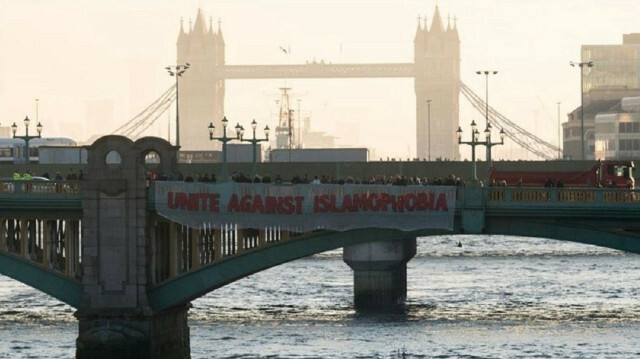

The ongoing leadership change in the UK’s Conservative Party has prompted discussions about the pressing issue of systemic Islamophobia within the party. Zara Mohammed, the secretary general of the Muslim Council of Britain, has called for serious action against this form of discrimination, emphasizing the need for a prime minister who represents all constituents fairly.
Systemic Islamophobia in the Conservative Party
Zara Mohammed has pointed out that there is a significant issue of systemic Islamophobia within the Conservative Party. In an exclusive interview, she revealed that over 300 documented cases exist of Islamophobic incidents and complaints from senior party members. The importance of this issue cannot be overstated, as it reflects broader societal attitudes and impacts the Muslim community in the UK.
Calls for Accountability and Action
During the interview published in the British newspaper Metro, Mohammed stressed the necessity for a zero-tolerance policy on Islamophobia within the party. She advocated for a formal commitment from the party leadership, demanding that inappropriate comments result in disciplinary actions or even dismissal. This type of accountability is crucial if the new leader is to genuinely represent all constituents and foster an inclusive political environment.
Impact of Leadership Remarks on Muslim Communities
Zara Mohammed criticized former Prime Minister Boris Johnson for his failure to address the issue adequately, citing his past remarks about women in burqas, which likened them to “letterboxes and bank robbers.” Such comments have detrimental effects, increasing hate crimes, particularly against Muslim women who wear traditional garments. The impact has not only led to real-world consequences but has also emboldened discriminatory behavior, illustrating the far-reaching effects of political rhetoric on community safety and harmony.
Why It Matters
The issue of systemic discrimination within political parties like the Conservative Party is significant for social cohesion and political representation. It affects community trust in governance and potentially influences voting behavior. As more individuals advocate for diversity and inclusion across all political spectra, these concerns may pressure parties to reevaluate their internal policies and public communications to align with contemporary values of equality and sensitivity.
Frequently Asked Questions
What is systemic Islamophobia?
Systemic Islamophobia refers to the entrenched discrimination against Muslims that is reflected in societal norms, policies, and institutional practices that disadvantage Muslim individuals or communities.
What actions has Zara Mohammed proposed to combat Islamophobia?
Zara Mohammed has called for a formal commitment to zero tolerance on Islamophobia within the Conservative Party, including policies that ensure disciplinary measures for inappropriate comments and behavior.
How has former Prime Minister Boris Johnson responded to accusations of Islamophobia?
Mohammed criticized Johnson for his “alarming radio silence” on the issue, particularly in the aftermath of his controversial remarks about Muslim women in burqas, which she claims have negative social implications.
Why is political rhetoric important in discussions of discrimination?
Political rhetoric plays a crucial role in shaping social attitudes and can significantly impact community safety and perceptions of inclusion. Statements made by political leaders can either empower communities or exacerbate existing divides.