
The recent Gen Z-led protest in India showcased a remarkable dynamic in civil activism, achieving its goals in just 36 days while resisting attempts to politicize the narrative. As this protest unfolded, it brought to light the disturbing patterns of discrimination and marginalization faced by Indian Muslims, echoing serious concerns about communalism and equality in the country.
Success Against the Odds
The astonishing speed of the protest’s success marks a pivotal moment in Indian civil activism. Unlike the prolonged farmers’ protest, which lasted for months, this movement garnered results in just over a month. However, the significance extends beyond the protest’s immediate aims; it sets a precedent for how narratives can be controlled in social activism. By maintaining focus on students’ rights, the movement managed to stave off the diversionary tactics often employed by authorities.
The Role of Community Identity in Protest
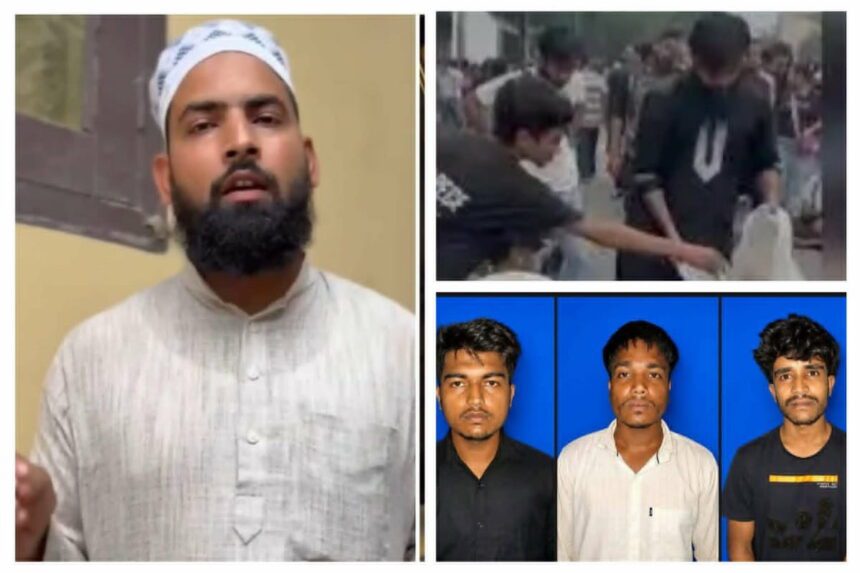
One of the stark realities exposed during the protest is the complex relationship between communal identity and public activism. The apprehension among many Muslim participants to take visible leadership roles originated from the fear that their involvement would transform the narrative. Instances like Mohammed Junaid’s experience—where he faced police scrutiny for merely providing meals to protesters—highlight how communal identities can become a double-edged sword, turning solidarity expressions into targets for governmental action. Furthermore, the reactive measures taken against Muslims participating in supportive capacities further cement this sense of exclusion.
Normalization of Discrimination
Recent events underscore a broader troubling trend: acts of discrimination against Muslims appear to be normalized within the political and legal fabric of Indian society. Following communal protests, incidents in Assam and West Bengal—where several Muslims were arrested or marginalized—reinforce perceptions of unequal treatment under law. The cycle of labeling protests as “Muslim” not only dilutes the broader issues at stake but also undermines the spirit of democracy itself, prompting both fear and reluctance among marginalized communities to engage in civic actions.
Why It Matters
The implications of these dynamics extend beyond the immediate context of Indian politics. They raise important questions about rights, inclusion, and the fabric of democracy itself. If communities feel unsafe or alienated from participating in democratic processes, the entire system suffers. The narrative holds significance for global observers as it highlights underlying tensions pertaining to identity, governance, and civil rights. Inequalities not only impact local dynamics but can resonate on a global stage, influencing geopolitical relationships as countries grapple with internal strife stemming from exclusionary practices.
Frequently Asked Questions
What were the main issues raised during the protest?
The protest primarily focused on students’ rights, including concerns around public examinations and accountability, while deliberately avoiding communal politics.
How did the government respond to the protest?
The government initiated inquiries into the financial backing of support services provided during the protest and took measures against participants, particularly from the Muslim community, reinforcing perceptions of targeted discrimination.
What role did social media play in the protest?
Social media served as a critical tool for mobilization and communication, helping bypass mainstream media narratives often shaped by governmental bias.
What concerns were raised about the participation of Muslims?
Concerns included fears of being ostracized due to communal identity, leading many to limit their visibility in protests to avoid redirecting focus from the core issues to communal stereotypes.