
Key Takeaway
The All India Muslim Personal Law Board has condemned the recent passage of the Prevention of Insults to National Honour (Amendment) Bill, 2026, viewing it as a direct attack on the constitutional rights of religious minorities in India. The Board argues that mandating the national song, Vande Mataram, for all citizens infringes on religious freedoms and contradicts the secular principles asserted in the Indian Constitution.
Legislation Overview
The Indian Parliament has approved an amendment to the Prevention of Insults to National Honour Act, 1971. Proposed by Minister of State for Home Nityanand Rai, the bill grants Vande Mataram statutory protection akin to that of the national anthem, Jana Gana Mana. Under this new legislation, individuals found guilty of disrespecting Vande Mataram face penalties which may include imprisonment for up to three years, fines, or a combination of both.
Concerns from Muslim Leaders
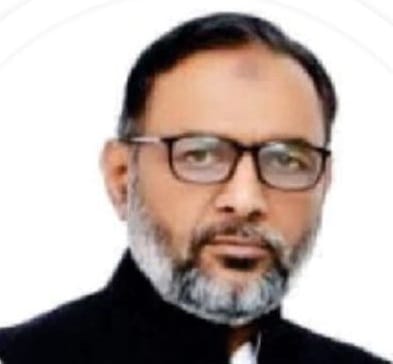
Dr. S. Q. R. Ilyas, a spokesperson for the All India Muslim Personal Law Board, has raised serious concerns regarding this legislation, declaring it incompatible with the secular character of India. He pointed out that the broader religious overtones of Vande Mataram conflict with Islamic teachings, particularly the doctrine of Tawheed, which emphasizes the oneness of God. This juxtaposition of law and religious sentiment, he argues, is both problematic and exclusionary.
Dr. Ilyas also referenced the historical context of the Constitution’s formulation, noting that the Constituent Assembly limited the national endorsement of Vande Mataram to its first two stanzas precisely to avoid promoting its religious implications. The new bill, according to him, attempts to bypass this carefully considered distinction, thereby diminishing India’s commitment to secularism.
Impact on Socio-Political Climate
This legislative move is part of a broader trend observed during the BJP-led government, which many critics argue is characterized by increasing marginalization and disenfranchisement of religious minorities, particularly Muslims. There is concern that criminalizing perceived disrespect towards a national song could be a pretext for further stifling dissent and eroding individual freedoms.
Dr. Ilyas calls for attention to pressing national issues such as unemployment, inflation, and social inequalities, urging that the government should prioritize these over potentially divisive topics. He argues that fostering a united India depends on adhering to the principles of equality, justice, and constitutional supremacy, rather than imposing uniformity of cultural and religious expressions.
Why It Matters
The implications of such legislation extend beyond political discourse and into the realm of societal cohesion. Enforcing Vande Mataram as a compulsory expression can exacerbate existing divisions within Indian society, particularly among diverse religious communities. As it stands, this move poses a threat to the constitutional guarantees of freedom of expression and religious practice. Evaluating its repercussions is vital to understanding the larger narrative surrounding religious marginalization and social justice in India.
Frequently Asked Questions
What is Vande Mataram, and why is it controversial?
Vande Mataram is a national song in India that is rooted in Hindu religious symbolism, which some believe to be inconsistent with the secular fabric of the nation, particularly its implications for religious minorities.
What does the Amendment Bill entail?
The Prevention of Insults to National Honour (Amendment) Bill, 2026, makes disrespect towards Vande Mataram punishable by imprisonment for up to three years, fines, or both, reinforcing its status akin to the national anthem.
How does this legislation affect the rights of Muslims in India?
The legislation is viewed by Muslim leaders as infringing upon their religious freedoms, as participation in Vande Mataram conflicts with Islamic principles, thus marginalizing those who do not adhere to the religion behind its connotations.
What was the response from the All India Muslim Personal Law Board?
The Board has expressed strong opposition to the bill, stating it undermines constitutional secularism and urging the government to focus on addressing critical socio-economic issues instead of pursuing divisive measures.