
The critique surrounding the current state of journalism in India has gained attention, particularly regarding the lack of incisive questioning from journalists in important political events. A notable observation highlights the tendency of some journalists to prioritize access over substantive questioning during interactions with key political figures.
Access Over Accountability
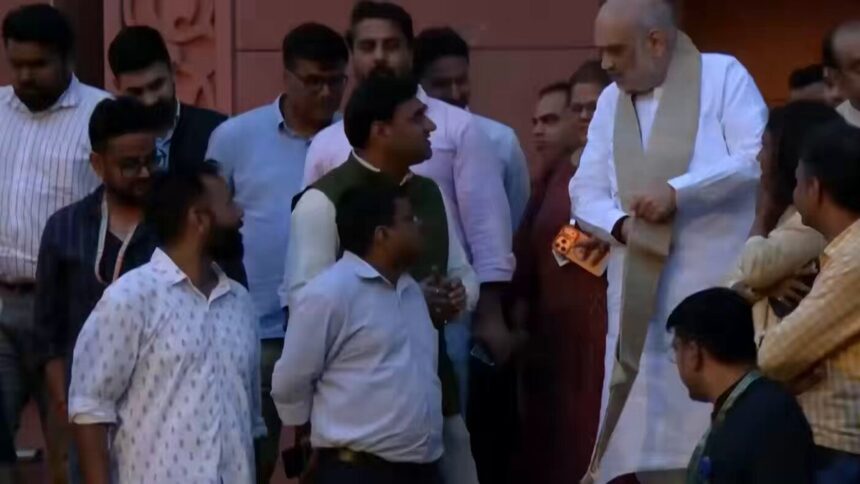
In a recent tweet, acclaimed political commentator Kunal Purohit expressed concern over the complacency displayed by many journalists during events involving prominent figures, such as the Prime Minister. Instead of rigorously questioning leaders on pressing issues, journalists have often opted for lighter inquiries, such as questioning the choice of footwear. This raises a critical question about the role of journalism in a democratic society, suggesting that the pursuit of exclusive access can overshadow the essential duty of journalists to hold power to account.
Journalistic Integrity at Stake
In a reflective commentary, the source emphasized that the true essence of journalism lies in its ability to ask challenging questions that matter. The lack of tough questioning during high-profile engagements suggests a troubling trend in which journalists may prioritize relationships with those in power over their duty to inform the public. This is concerning in a country where policies and decisions made by leaders can significantly impact the lives of millions. A call was made for journalists to revive their integrity and engage in real dialogue rather than maintaining a facade of friendliness for access.
The Role of Social Media in Journalism
Social media has altered the dynamics of journalism, providing both a platform for broader discourse and a space where the boundaries of critical questioning can sometimes be blurred. The video referenced in Purohit’s tweet highlights a moment where journalists were more engaged in playful interactions rather than serious inquiries. This duality underscores the need for journalists to find a balance between engaging with their audience online and fulfilling their role as watchdogs of democracy. The expectation is that journalists should utilize new media to amplify essential questions instead of succumbing to superficial engagement.
Why This Matters
The implications of this trend in journalism are significant for Indian democracy. The responsibility of journalists is not merely to report events as they unfold but to interrogate policies, reflect public concerns, and challenge leaders directly. A lack of rigorous questioning contributes to a culture where political narratives can go unchallenged, leading to a more informed electorate. It is crucial for journalists to re-establish their role as advocates for truth and accountability, ensuring that they serve the public rather than the interests of those in power.
Frequently Asked Questions
What is the main issue raised by Kunal Purohit?
The main issue is the complacency of journalists, who often prioritize access to political figures over asking substantial, challenging questions during interviews.
Why is critical questioning important in journalism?
Critical questioning is vital because it holds those in power accountable, informs the public about policies and decisions, and fosters a vibrant, functioning democracy.
How has social media impacted journalism in India?
Social media has both expanded the platforms available for journalists and risks diluting their role, as quick interactions can sometimes replace in-depth inquiries.
What can journalists do to improve their effectiveness?
Journalists can improve by prioritizing their duty to ask tough questions, focusing on accountability, and utilizing social media to disseminate these critical discussions widely.