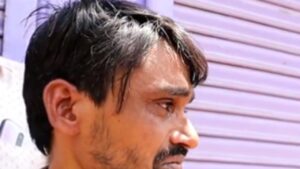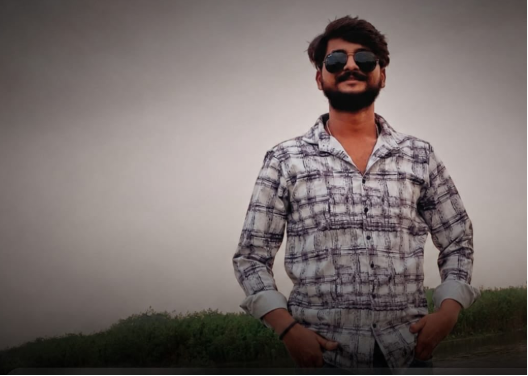

A recent murder case involving Mohammad Irshad Alam, known as Guddu Badshah, has ignited significant outrage across Delhi and Bihar. The brutal nature of the attack, which involved multiple gunshots and severe injuries, has also brought attention to broader issues related to societal discrimination and marginalization within certain communities in India.
The Shocking Murder of Guddu Badshah
Mohammad Irshad Alam, widely recognized among the youth of Rajpur village in Bihar, was allegedly murdered in a shocking and violent attack in Pul Prahladpur, southeast Delhi. At just 28 years old, his untimely and brutal death has reverberated throughout both his hometown and the capital. Reports indicate that he was not only assaulted with a sharp weapon, but suffered gunshot wounds as well, with estimates suggesting that between seven and eleven rounds were fired at him. The details of the attack highlight a grim reality regarding violence against individuals in certain communities, raising questions about safety, justice, and systemic discrimination.
The Community’s Response and Outcry
The murder of Guddu Badshah has provoked widespread anger and calls for justice from both his community and social media users. Many are demanding rapid action against the perpetrators, reflecting a deep-seated concern about perceived impunity for violence against certain individuals based on their background. The incident has sparked discussions on broader societal issues, including a rising climate of fear among marginalized groups in India, particularly Muslims, who increasingly feel targeted not only by criminals but also by systemic institutional actions.
Police Investigation and Public Sentiment
In response to the attack, Delhi Police have initiated an investigation, recovering empty cartridges from the scene and gathering CCTV footage to identify the suspects. However, the police have not disclosed the motives behind the murder or the identities of those involved. The community of Guddu Badshah is left awaiting justice, as his family has transported his body back to Supaul district for last rites. The widespread anger expressed on social media emphasizes a growing frustration among marginalized groups, who feel that the mechanisms of justice often overlook their plight, further deepening their sense of alienation in society.
Why It Matters
The brutal murder of a young community figure like Guddu Badshah serves as a reminder of the intricate interplay between crime and social dynamics in India. It is particularly significant concerning the lives of marginalized groups, including Muslims, who have faced rising discrimination and violence. Such incidents not only highlight the urgent need for effective law enforcement but also raise broader questions about societal values and the protection of vulnerable communities. Understanding the implications of such violence on social cohesion and public safety is essential for fostering a just and equitable society. The response by local governments and communities will be pivotal in shaping future discourse around safety, justice, and inclusivity in public life.
Frequently Asked Questions
What happened to Guddu Badshah?
Guddu Badshah, a 28-year-old resident of Rajpur village in Bihar, was allegedly murdered in a horrific attack in southeast Delhi. He was assaulted with a sharp object and shot multiple times, resulting in severe injuries including a slit throat.
What has been the community’s reaction to his murder?
The murder has sparked widespread outrage in both Delhi and Bihar, with community members and social media users calling for immediate action against the attackers and a thorough investigation.
What steps are authorities taking in response to the murder?
Delhi Police have launched an investigation, recovering empty cartridges and CCTV footage from the crime scene. They have formed multiple teams dedicated to identifying and arresting the suspects.
How does this incident affect perceptions of safety in marginalized communities in India?
This incident contributes to a growing sense of insecurity among marginalized groups, including Muslims, who feel increasingly targeted. It highlights systemic issues regarding violence and discrimination, prompting calls for a more equitable approach to justice and law enforcement.