
Summary
A recent social media post by Sunni scholar Shuhaibul Haithami has sparked significant backlash, with critics arguing against his stance that Muslims in India should refrain from organizing on religious grounds. Haithami’s comments, which suggest alignment with secular parties instead, have ignited a debate about the role of minority identities in a democracy fraught with social and political tensions.
The Controversial Post
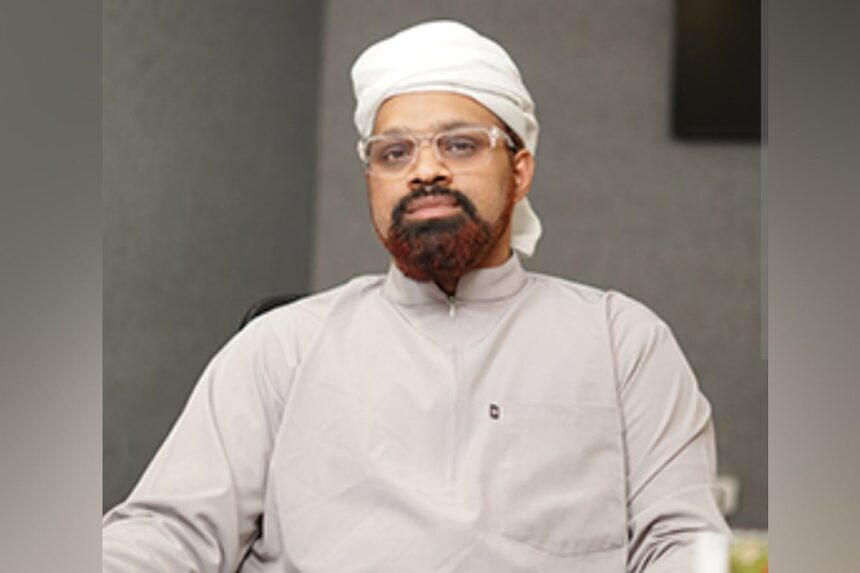
Shuhaibul Haithami, a young Sunni scholar from Kozhikode, found himself ensnared in controversy after questioning the necessity for Muslims to organize on the basis of their faith in India’s democratic landscape. In his now-private post, he articulated concerns that such identity-based organization could provoke adverse responses from other communities, particularly from nationalist groups like the Sangh Parivar, who have often been accused of fostering divisions along religious lines.
Haithami posited that instead of sectarian organization, it would be more beneficial for Muslims to pursue integration within broader secular political frameworks, emphasizing the importance of educational, cultural, and spiritual development for Indian Muslims. He dismissed the notion that an “Islamic India” should be the ultimate goal, suggesting that a focus on democratic engagement is more pragmatic.
Reactions from the Community
The backlash against Haithami’s comments was swift and severe. Social media activist Shareef Sagar from the Indian Union Muslim League (IUML) criticized his viewpoint, labeling it “absurd.” Sagar underscored the necessity of minority rights, which are enshrined in the Indian Constitution to safeguard the interests of communities like Muslims and Christians. He also implied that dismissing communal organization equates to neglecting legitimate rights and concerns faced by minorities in India.
Others echoed this sentiment, arguing that advising Muslims against organizing is akin to suggesting they refrain from practicing their religion. The discussions reveal deep-seated frustrations within the Muslim community regarding their representation and rights in a socio-political environment dominated by Hindu nationalism. Critics view Haithami’s advice as a diversion from the urgent need for unity in advocating for their rights.
The Broader Implications of Identity Politics
Haithami’s comments and the subsequent reactions exemplify a broader fear among Indian Muslims regarding the rise of identity politics in the country. Critics argue that the current political climate under the ruling Bharatiya Janata Party (BJP) and its associated organizations has marginalized Muslim voices, creating an environment where expressing religious identity has become contentious.
Many Muslims believe that the right to organize is a fundamental aspect of democracy; without it, they fear additional erosion of their rights and representation. The concern is not merely theoretical—instances of social exclusion, economic boycotts, and systemic discrimination against Muslims have been documented, reinforcing the need for organized efforts within the community to address these longstanding issues. The argument remains significant in understanding the divide between secular and religious identity politics in contemporary India.
Why It Matters
The discussion surrounding Haithami’s controversial post underscores essential themes regarding social justice and representation within the Indian democratic framework. For the AI industry, particularly in developing context-aware technologies, understanding the intricacies of such socio-political dynamics is crucial. Developers creating algorithms for social dialogue or sentiment analysis need to grasp the cultural and religious nuances in India to avoid reinforcing biases or misconceptions. Furthermore, users interacting with AI systems must remain aware of the biases that may arise from prevailing narratives in their societies.
Frequently Asked Questions
What did Shuhaibul Haithami argue in his Facebook post?
Haithami suggested that Muslims should not organize based solely on religious identity, as it could provoke negative reactions from other communities. He advocated for alignment with secular parties instead.
What was the reaction from the Muslim community to Haithami’s comments?
Many in the community criticized his views as shortsighted and detrimental, emphasizing that the right to organize is necessary for protecting minority rights and addressing issues faced by Muslims in India.
How do identity politics affect Indian Muslims?
Identity politics have significant implications for representation and rights, as they can either empower or marginalize communities. The current political climate in India has raised concerns over the protection of minority rights, particularly for Muslims.
What is the significance of secular parties for Indian Muslims?
Secular parties often represent a broader spectrum of interests that include minority protections, which many Muslims believe is critical for their integration and development within Indian democracy.