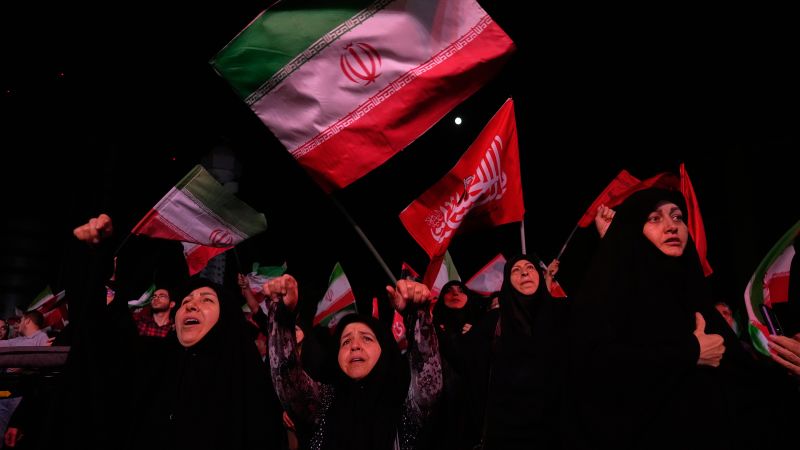

The ongoing tensions between the United States and Iran have reached a critical juncture, with each nation expressing starkly different interpretations of their diplomatic engagements. While the U.S. claims it halted strikes at Iran’s request, Tehran has categorically denied any negotiations. This divide emphasizes the complexities of international diplomacy and the challenges ahead.
Contradictory Narratives from Washington and Tehran
U.S. President Donald Trump recently asserted that Washington paused strikes against Iran at the regime’s request. “They asked us very nicely, ‘Please stop, let’s meet’,” Trump reported, highlighting a seemingly diplomatic overture from Tehran. However, Iranian officials present a starkly different narrative. Foreign Ministry spokesman Esmaeil Baghaei declared, “We have no negotiations with the United States at present,” indicating a refusal to engage in talks that Washington ostensibly hopes for.
This diplomatic clash extends further. The Iranian Deputy Foreign Minister, Kazem Gharibabadi, emphasized, “there was no begging from the Iranian delegation to continue the negotiations,” reinforcing Iran’s stance of not conceding to external pressures. This contrasting portrayal underscores the deep-rooted mistrust that characterizes U.S.-Iran relations and the potential for further escalations.
Iran’s Engagement with Oman: A Separate Channel
In light of the apparent stalemate with the United States, Iran is actively pursuing negotiations with Oman regarding the strategically significant Strait of Hormuz. Baghaei clarified that while talks with Oman are deemed “constructive,” they are fundamentally “unrelated” to discussions with the U.S. This reflects Iran’s strategy to leverage alternative diplomatic routes while maintaining its sovereignty.
Should Oman broker a deal allowing Iran to maintain control over the waterway and impose tolls on passing vessels, President Trump might regard this as a diplomatic win. Nonetheless, current indications show that such progress is unlikely. Baghaei reiterated the importance of ensuring safety in shipping while respecting Iran’s national interests, which opens the door for differing interpretations—potentially complicating future U.S. relations.
The Ambiguity of Agreements
Iran’s current discussions reveal deep-seated ambiguities in diplomatic language. The phrase “observing security and national interests” can be interpreted flexibly, allowing divergent interpretations by both Iran and the U.S. This ambiguity is not new; the previous agreement between the two nations was also fraught with unclear stipulations designed to bring them back to the negotiation table.
As it stands, there is no indication that Oman’s proposals will be more favorable to U.S. interests than the terms agreed upon last month. The impression is that Iran might outlast Trump’s political capital, thereby prolonging the current standoff. This situation not only affects U.S.-Iran relations but also indirectly informs global oil markets and international security protocols affecting countries like India.
Why This Is Trending
The heightened interest in the U.S.-Iran situation among Indian audiences stems from its implications on global oil prices and security in the Middle East. With India being one of the largest importers of oil, any disruption in the Strait of Hormuz—an essential transit route for oil—could have drastic effects on fuel prices within the country. Moreover, India’s strategic interest in maintaining regional stability makes developments in U.S.-Iran relations particularly pertinent.
Frequently Asked Questions
What prompted the current tensions between the U.S. and Iran?
The tensions have escalated due to a series of provocative actions and military posturing from both sides, with recent decisions by the U.S. to conduct airstrikes and Iran’s responses creating a cycle of confrontation.
What role does Oman play in the negotiations?
Oman is acting as a mediator in discussions regarding the Strait of Hormuz, seeking to facilitate a dialogue between Iran and other interested parties, including indirectly aiding U.S. interests.
Why is Iran refusing to negotiate with the U.S.?
Iran perceives U.S. demands as unreasonable and views the current diplomatic overtures as potentially coercive, opting instead to engage with alternative partners.
How could this situation affect India?
Any shifts in U.S.-Iran relations could influence global oil prices and security in the Middle East, affecting India’s economy and its energy security strategy.