
Release of Palestinian Detainees Highlights Human Rights Concerns
Sixty Palestinians recently released from Israeli detention arrived at Nasser Medical Complex in Khan Younis, Gaza, where they shared alarming accounts of torture and mistreatment. Their release, part of a broader prisoner exchange agreement, underscores ongoing human rights issues related to the treatment of detainees in Israel.
Experiences of Torture and Isolation
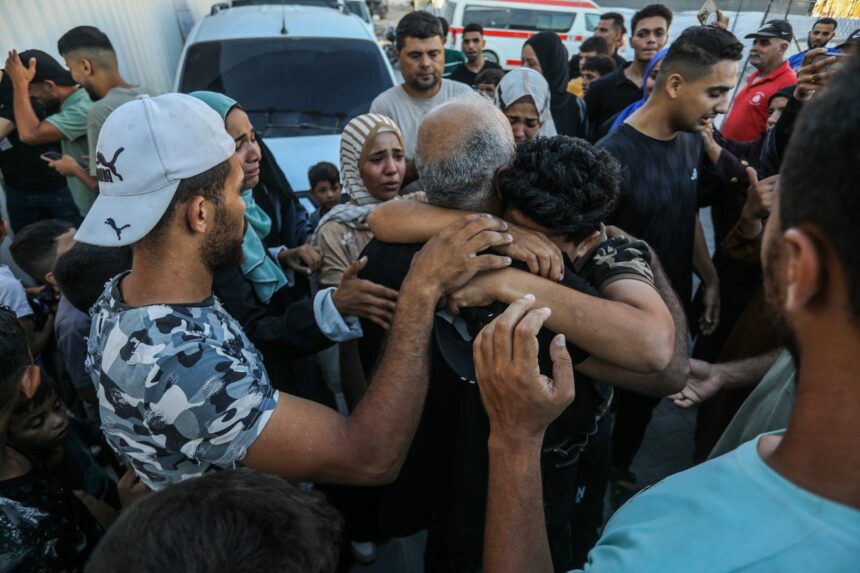
The former detainees, many of whom appeared frail and injured, were received by family members after enduring harrowing months, some nearly two years, in Israeli prisons. Emotional reunions quickly turned to distressing testimonies about the conditions faced inside. Reports from the International Committee of the Red Cross (ICRC) and the detainees themselves indicated severe abuse, including systemic beatings, starvation, and lengthy isolation.
Abdullah Kilani, who entered the hospital in a wheelchair after spending more than 18 months in custody, described his experience: “The conditions were extremely harsh. I still can’t believe I’m free.” This sentiment encapsulated the trauma experienced by many detainees, some of whom suffered injuries during their incarceration, including being shot while in custody.
Legal Framework and Ongoing Detention
As highlighted by Israeli rights group HaMoked, more than 1,300 Palestinians still remain in Israeli prisons under the classification of “unlawful combatants.” A controversial law passed by Israel’s Knesset allows for indefinite detention without charges, raising significant concerns about compliance with international human rights norms. Critics argue that this legal framework not only contravenes protections outlined in the Geneva Conventions but also facilitates a system of discrimination against Palestinian detainees.
Human rights organizations continue to document cases of abuse and neglect, calling for international scrutiny on Israel’s legal practices regarding detainees. Palestinian rights groups assert that over 9,600 Palestinians are currently incarcerated, alongside reports of inadequate medical care and ongoing torture, with alarming implications for the mental and physical well-being of these individuals.
Continued Violence and Wider Implications
Despite a ceasefire that came into effect on October 10, 2025, violence in Gaza persists. Reports indicate that since then, Israeli military actions have resulted in significant casualties and injuries, with over 1,200 Palestinians killed. The ongoing conflict has manifested in widespread destruction, with the UN estimating reconstruction costs at around $70 billion. This terrible toll raises questions about the long-term impact on societal stability and human rights in the region.
The case of the recent detainee release highlights the urgent need for international attention and intervention. Mohammad Jabr Al-Majdalawi, another former prisoner, emphasized, “Words cannot describe what we went through. The prisoners who remain inside are still in danger.” His call for action highlights a broader ethical imperative surrounding the treatment of Palestinian detainees and the need for accountability in cases of reported abuse.
Why It Matters
This situation illustrates critical human rights concerns that demand global attention. The ongoing abuse and legal uncertainties facing detainees underlines the systemic issues regarding international humanitarian law and its enforcement. For those in the AI industry, particularly developers creating models informed by global events, understanding the human dimensions of such conflicts is vital. Ethical frameworks guiding technology applications must consider how social injustices shape the realities of vulnerable populations. Additionally, the intersection of human rights and technology can inform how data is used to promote transparency, accountability, and advocacy for marginalized communities.
Frequently Asked Questions
What are the main concerns surrounding the treatment of Palestinian detainees?
The primary concerns include allegations of torture, lack of due process, indefinite detention without charges, and violations of the Geneva Conventions. Reports indicate systemic mistreatment such as beatings, medical neglect, and harsh living conditions.
How many Palestinians are currently held in Israeli prisons?
As reported by rights organizations, over 9,600 Palestinians are currently incarcerated in Israel, which includes approximately 350 children and 84 women.
What did the Israeli army state regarding the recent release of detainees?
The Israeli army claimed that the recent group of detainees was released after completing interrogations and determined that they were no longer considered security threats, despite the reports of mistreatment and abuse during their detention.
What legal framework allows for the detention of Palestinians without charges?
A law enacted by Israel’s Knesset in 2002 permits the indefinite detention of individuals without the need for formal charges, raising significant human rights concerns.