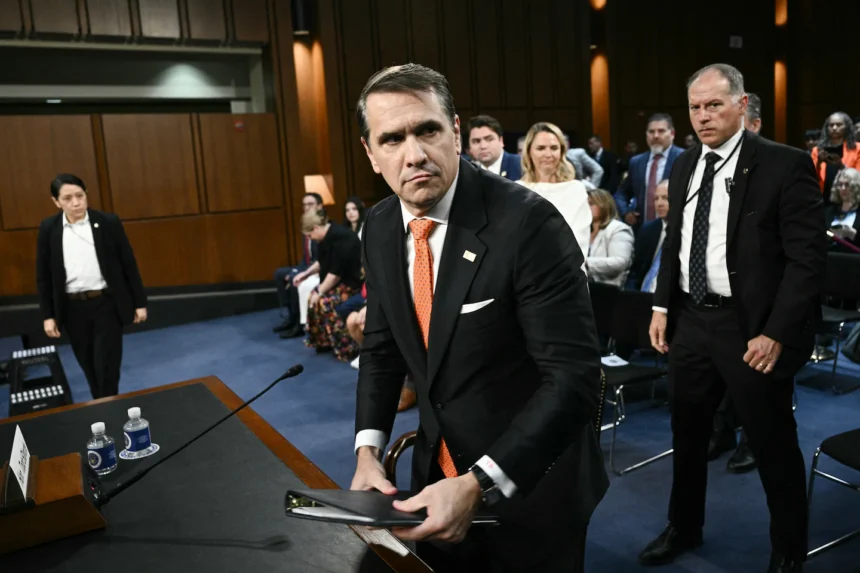

Todd Blanche’s potential confirmation as the next U.S. attorney general has sparked a debate concerning the limits of presidential authority and the significance of adhering to established political norms. Critics argue that a leader who flouts these norms may warrant less deference during the confirmation process, raising questions about accountability and governance.
Understanding Political Norms
Political norms are unwritten rules that govern behavior, ensuring a level of civility and decorum in political discourse and institutional functioning. They facilitate smoother governance and help in maintaining trust among various branches of government. When a leader demonstrates a disdain for these norms, as seen in the actions of the current U.S. President, the implications can be profound. This attitude not only impacts the appointment process but can also undermine the institutional integrity vital for effective governance.
The Role of the Senate
The U.S. Senate holds the responsibility of advising and consenting to presidential appointments, particularly for key Cabinet positions like the attorney general. This isn’t merely a formality; it is a crucial check on executive power. Deference is traditionally extended to presidents regarding their Cabinet selections, but this relationship must be balanced with accountability. In the case of Todd Blanche, the Senate faces a critical decision about whether the established norms of governance should lead to a confirming vote in light of the President’s disregard for these same norms.
Global Implications
Political norms extend beyond American borders, influencing governance worldwide, including in India. The debate surrounding Todd Blanche’s confirmation raises questions about how leadership styles and adherence to norms affect international relationships and domestic trust in governmental institutions. For Indian political leaders, observing the U.S. political landscape can provide lessons on the importance of maintaining civility and accountability in governance, especially in a diverse democracy like India, where coalition-building and harmony are essential for effective governance.
Why This Is Trending
Indians are currently searching for information about Todd Blanche’s confirmation because it presents a case study in the importance of political norms and the checks and balances inherent in democratic systems. With rising political tensions and challenges to institutional integrity visible in various global contexts, citizens are conscious of how similar issues could manifest within India. The current political climate, marked by debates on governance and accountability, makes this discussion particularly relevant for Indian audiences who are keen on understanding the dynamics of global politics and its local repercussions.
Frequently Asked Questions
What are political norms?
Political norms are the unwritten rules and expectations governing behavior in political settings, promoting civility and effective governance.
Why is the Senate confirmation process important?
The Senate confirmation process serves as a critical check on presidential power, ensuring that Cabinet selections are held to a standard of accountability.
How does U.S. political drama affect India?
U.S. political dynamics, including norms and governance challenges, can influence Indian politics by offering lessons in leadership and accountability relevant to global governance.
What should citizens consider regarding political appointments?
Citizens should examine how appointed officials uphold political norms and whether they reflect the values essential for a healthy democracy, influencing public trust and governance effectiveness.