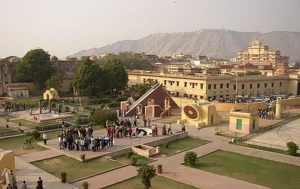

The recent protests at Jantar Mantar took a controversial turn as participants voiced concerns regarding the presence of disruptive elements within the crowd. While the initial days of protest were marked by enthusiasm and solidarity, the later days saw an influx of individuals accused of instigating violence, prompting calls for a reassessment of protest security and management.
Context of the Protests
The Jantar Mantar protests witness various socio-political movements, often spearheaded by marginalized groups seeking justice. The rallies on 21st July displayed a united front among demonstrators, showcasing themes of empowerment and unity, particularly for women participating in large numbers. Initial reports indicated an environment filled with passion and purpose, underscoring the significance of peaceful protest in a democratic society.
Shift in Dynamics
However, the atmosphere quickly changed on the following days. Reports emerged highlighting the introduction of fringe elements within the gathering, seen as detrimental to the core message of the protest. Participants began to notice a shift from peaceful demonstration to aggressive behavior, with instances of abusive sloganeering and purported acts of violence, notably the assault of an individual allegedly chanting phrases that contradicted the protesters’ aims.
This stark contrast raised alarms about the potential infiltration of the protest by those with ulterior motives, likely intended to discredit the movement or create disorder. Observers speculate that these individuals may be associated with groups looking to undermine the objectives of the protest, raising questions about the integrity and security protocols in place to protect genuine protesters.
Calls for Action
In light of these developments, a call for introspection and action was voiced among attendees and supporters. There are increasing concerns that if this trend continues, the credibility of meaningful protests could be jeopardized. Advocates are urging leaders and organizers to implement robust measures to prevent the disruption of peaceful demonstrations and to safeguard the safety and dignity of all participants.
Stopgap solutions such as increased security presence and clearer communication with attendees are being suggested to manage the situation. Such strategies might help maintain the integrity of future protests, ensuring they serve their purpose without succumbing to chaos.
Why This Matters
The implications of these recent protests extend beyond immediate concerns of safety and organization. They reflect broader issues within Indian society related to dissent, freedom of expression, and the political climate. The ability for citizens to protest peacefully is foundational to democracy, and the manipulation of such gatherings by disruptive elements poses a significant threat to civil liberties. Furthermore, the challenges faced by the Jantar Mantar protesters mirror ongoing struggles against the backdrop of increasing polarization within Indian politics. As citizens seek to voice their grievances, the dynamics of protest management become a critical arena for ensuring that voices advocating for change are heard without fear of violence or intimidation.
Frequently Asked Questions
What are the main concerns raised by participants in the Jantar Mantar protests?
Participants have raised concerns about the infiltration of disruptive elements within the protest, which have contributed to incidents of violence and negative sloganeering, contrasting sharply with the earlier peaceful atmosphere.
What actions are being suggested to improve the situation at protests?
Suggestions include increasing security measures, clear communication with attendees, and establishing protocols to identify and address potential disruptions quickly to maintain the peaceful intent of the protest.
How do these protests reflect broader political issues in India?
The protests symbolize the ongoing struggle for civil rights and freedom of expression in India, highlighting how internal division and external manipulation can threaten peaceful democratic processes.
Why is maintaining the integrity of protests important?
Maintaining the integrity of protests is crucial for ensuring that citizens can express their grievances and advocate for change without the fear of violence, which strengthens democratic values and public discourse.