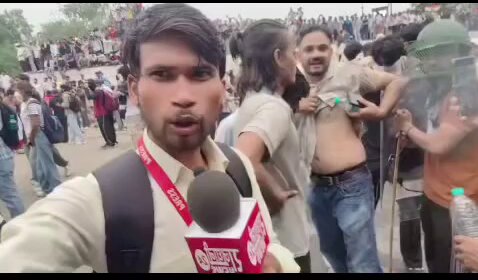

Recent media coverage has highlighted the use of pellet guns by the Rapid Action Force (RAF) during a protest march towards Parliament on July 20. Although over three days have passed since initial reports surfaced, a CRPF official stated they are still “verifying media reports” regarding the incident, with no actions taken thus far.
Context of the Incident
The situation unfolded during a protest on July 20, where unarmed demonstrators marched towards Parliament. Reports of the use of pellet guns by the RAF against these protesters raised significant concerns regarding crowd control methods used by Indian law enforcement. The incident has sparked debates about the ethical implications of using such “non-lethal” measures, especially against civilians engaged in peaceful protests.
Response from Authorities
In the aftermath of the allegations, the official response from the Central Reserve Police Force (CRPF) has been cautious. The spokesperson’s statement about “verifying media reports” has drawn criticism for its pacing in addressing serious claims of misconduct. As of now, there has been no formal acknowledgment or corrective action taken by the authorities, raising questions about accountability and the transparency of the investigative process.
Political Ramifications
The deployment of pellet guns in civilian protests has a profound political context. Historically, these measures have been criticized for their severe impact on human rights and public safety. This incident may affect public trust in law enforcement agencies, especially among activists and civil society. Furthermore, it could ignite further protests and demands for reform in the use of crowd-control tactics in India.
Why This Matters
The usage of pellet guns as a crowd control measure is not just a matter of law enforcement; it’s emblematic of broader issues surrounding civil rights in India. The implications of this incident could resonate substantially in political circles, impacting public perception of governmental authority and legitimacy. The continued hesitance of authorities to take decisive action points towards a systemic issue within India’s approach to dissent and protest management.
Frequently Asked Questions
What are pellet guns, and why are they used?
Pellet guns are classified as non-lethal weapons designed to incapacitate rather than kill. They are often employed in crowd control situations to minimize fatalities during clashes between law enforcement and civilians.
What has been the public reaction to the use of pellet guns in protests?
The use of pellet guns has met with significant backlash from human rights organizations and activists, who argue that their deployment can lead to serious injuries and erodes public trust in law enforcement.
What is the legal framework governing the use of pellet guns in India?
The legal use of pellet guns in India falls under guidelines for riot control, often promoted as a less lethal alternative. However, their application has been questioned, particularly in light of international human rights standards.
What steps can be taken for accountability in this incident?
To ensure accountability, thorough investigations must be conducted, alongside transparent communication from law enforcement agencies regarding the findings and subsequent actions taken. Calls for more humane compliance in crowd control techniques are also likely to increase.