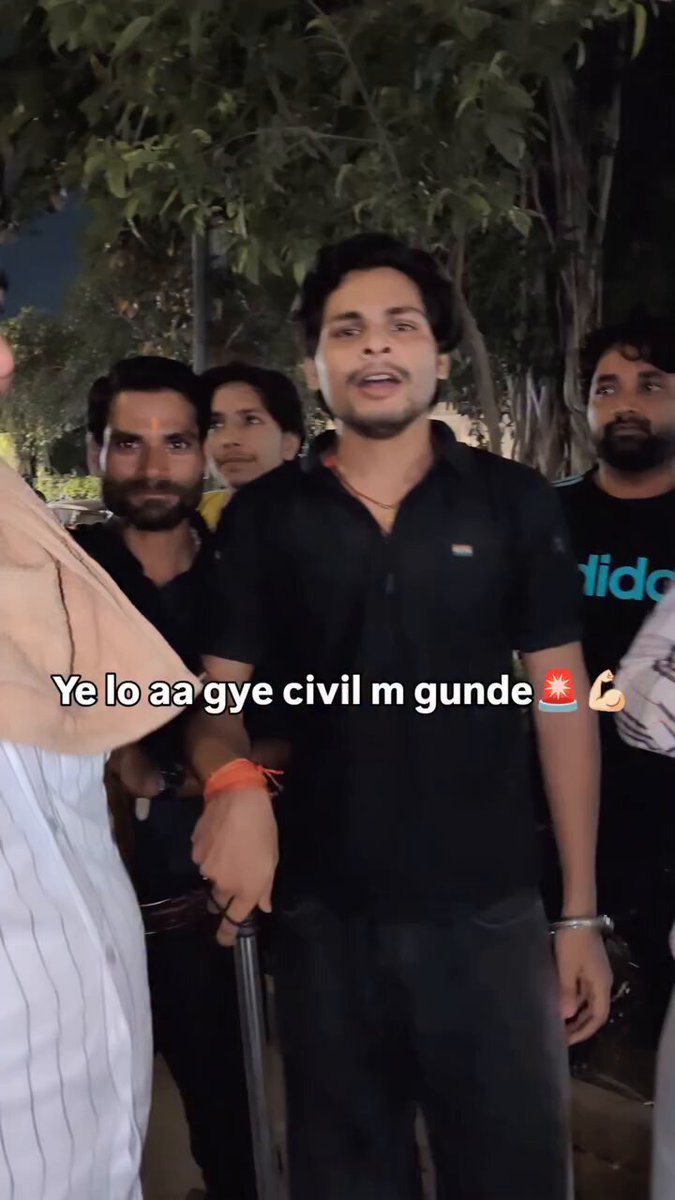

Recent events at Jantar Mantar have raised concerns regarding the safety of protesting students, as threats from self-proclaimed members of the Gou Rakshak group affiliated with the ruling party have emerged. Mohammed Zubair, a well-known political commentator, highlighted the situation on social media, warning students and officials about potential violence.
Context of the Protest
Jantar Mantar has historically been a significant site for protests in India, serving as a platform for various groups to voice their dissent against governmental policies. The current wave of protests, primarily driven by students, has focused on educational reforms, social justice, and various socio-political issues. The students have been vocal about their demands and rights, stirring a passionate response from the public and officials alike.
As tensions mount, groups claiming to protect cow welfare and aligned with the ruling establishment have stirred controversy. They accuse protesters of various allegations, intertwining social issues with political agendas. This backdrop has made the protests more volatile, leading to the involvement of multiple stakeholders including law enforcement and political leaders.
Threats Unveiled
In a tweet, Mohammed Zubair posted a video showcasing the menacing demeanor of self-identified Gou Rakshak goons who have threatened to confront the protesting students. His commentary underscores that these individuals are not just vocally aggressive; they seem prepared to instigate violence. Zubair’s call to attention to the Delhi Police highlights the public safety concerns surrounding the protests.
The situation not only affects the students but also poses a broader threat to public order. The alleged affiliation of these goons with the ruling party raises questions about the extent of government support for such groups and whether they are being used to quell dissent. This orchestrated intimidation tactics, if left unchecked, could escalate into more significant clashes.
Public and Official Reactions
The reaction from both the public and officials has been mixed. Many supporters of the protesters sympathize with their plight, condemning the threats made against them. However, voices from the governing establishment argue that these protests disrupt public order and dismiss the provocateurs as fringe elements.
Social media, particularly platforms like Twitter, has become a battleground for opinions. Many users have rallied to support the protesting students, advocating for the protection of their rights. Meanwhile, the Delhi Police, upon being notified, face scrutiny regarding their response to protecting law-abiding citizens from potential harm.
Why This Matters
The implications of this situation are significant for India’s political landscape. As students push back against government policies, their movements symbolize broader societal demands for accountability and change. The involvement of organized groups promising violence against protesters risks undermining India’s democratic values, where free speech and assembly should be protected.
If the ruling party is perceived to be tacitly endorsing violent tactics to silence dissent, it could lead to increased public unrest and loss of trust in law enforcement. The government’s response to the threats will shape the political discourse around student activism and civil society rights in India.
Frequently Asked Questions
What are the main issues the students are protesting against?
The students are primarily protesting for educational reforms, social justice, and various socio-political issues that they feel have been neglected by the government.
Who are the Gou Rakshaks?
The Gou Rakshaks are self-proclaimed cow protectors in India, often associated with right-wing organizations and the ruling party. They are known for taking aggressive stances against those they believe show disrespect to cattle.
What should students do to protect themselves during protests?
Students are advised to be aware of their surroundings, protest peacefully, and remain in groups. It’s also crucial to report any threats to law enforcement.
What does this incident say about India’s current political climate?
This incident demonstrates rising tensions between the government and civil society, highlighting the risks associated with protesting, especially when faced with potential violence from organized groups.