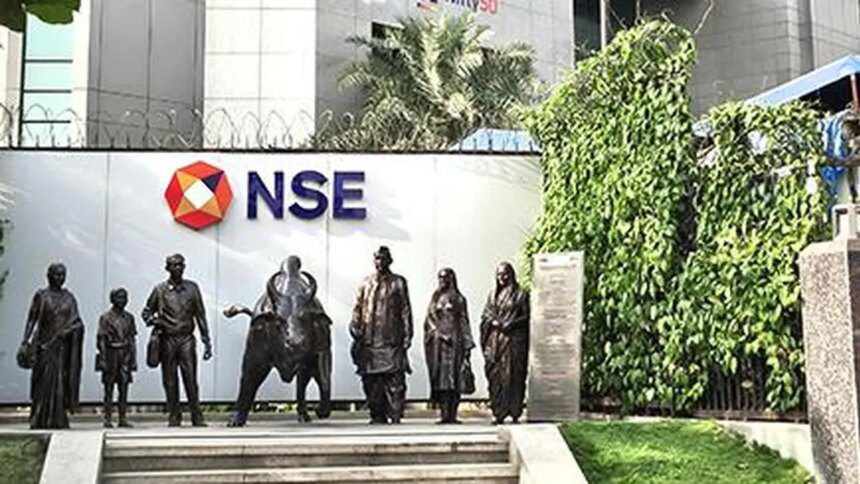

FTSE Russell’s decision to recognize the Bombay Stock Exchange (BSE) as an eligible exchange for its global equity indices is significant, particularly for the National Stock Exchange (NSE) as it prepares for its upcoming listing. This shift could impact NSE’s prospects for greater inclusion in international markets.
FTSE Russell’s Inclusion of BSE
FTSE Russell, a prominent global financial index provider, announced that as of March 2027, securities listed on the BSE main board will be deemed eligible for assessment for its global equity indices. This is notable as it ushers in the possibility for newer listings to fast-track their inclusion in widely followed international benchmarks. Currently, securities listed on NSE already qualify for FTSE Russell’s indices, raising questions about what this means for existing and future NSE listings.
The Implications for NSE
The major implication of FTSE Russell’s decision for the NSE lies in its forthcoming share listing on BSE, anticipated for the end of this month. Arun Kejriwal, founder of Kejriwal Securities, emphasized that although large-cap stocks listed on NSE are mirrored on BSE, the real significance arises from NSE’s shares themselves. With the public offering expected to value NSE around ₹30,000 crore, investor eagerness is already palpable, especially among unlisted securities.
This expected public offer aligns with a growing trend of global investors seeking exposure to Indian markets, particularly in light of NSE being the largest derivatives exchange in the world by traded contracts. The successful listing would provide a crucial six months of trading history on BSE by the time of FTSE Russell’s March 2027 review, helping NSE’s shares meet vital minimum listing criteria for evaluation in BSE’s core indices.
Challenges and Requirements for Inclusion
Despite the positive outlook, index inclusion is not guaranteed. Securities must still fulfill specific requirements set by index providers such as FTSE and BSE. These include liquidity, market size, and overall investability. BSE’s criteria utilize measures like float-adjusted market capitalization and trading frequency, which are essential for the assessment process.
The anticipated trading activity of NSE’s shares is expected to provide the needed liquidity that might facilitate their assessment for inclusion. FTSE’s recent changes may alleviate one of the hurdles the NSE faced, preparing it for a smoother entry into the global market.
What This Means
The recognition of BSE by FTSE Russell is emblematic of a broader trend toward increased international integration of Indian financial markets. As global institutional investors often rely on benchmark and passive funds for accessing large markets, inclusion in widely tracked indices offers a promising avenue for additional demand. For Indian investors and companies, this could mean a heightened focus on complying with international standards, ultimately leading to improved market conditions and investor confidence.
Frequently Asked Questions
What is FTSE Russell?
FTSE Russell is a global leader in indexation and analytics, providing benchmarks and data to the financial community for market analysis and investment decisions.
How does NSE’s listing on BSE impact investors?
NSE’s successful listing on BSE could enhance its stock’s liquidity and visibility, potentially increasing investor interest and participation in the equity market.
What are the criteria for inclusion in FTSE Russell’s indices?
Securities must meet requirements regarding size, liquidity, and investability, which are assessed through parameters like market capitalization and trading volume over a defined period.
Why is the BSE listing significant for NSE?
The BSE listing is significant as it allows NSE shares to be part of a larger pool for potential global investment and enables them to be considered for inclusion in international indices, which could drive further investor demand.