
Syria’s Digital Transformation of Tourism: A New Era with Saudi Collaboration
Syria has entered into a significant partnership with three Saudi technology firms—Tamkeen, Cipher, and Hawaz—to revamp its tourism sector through digital transformation. The agreement, aimed at modernizing tourism services amidst recovery efforts, underscores a strategic shift towards a more resilient economy.
Key Elements of the Agreement
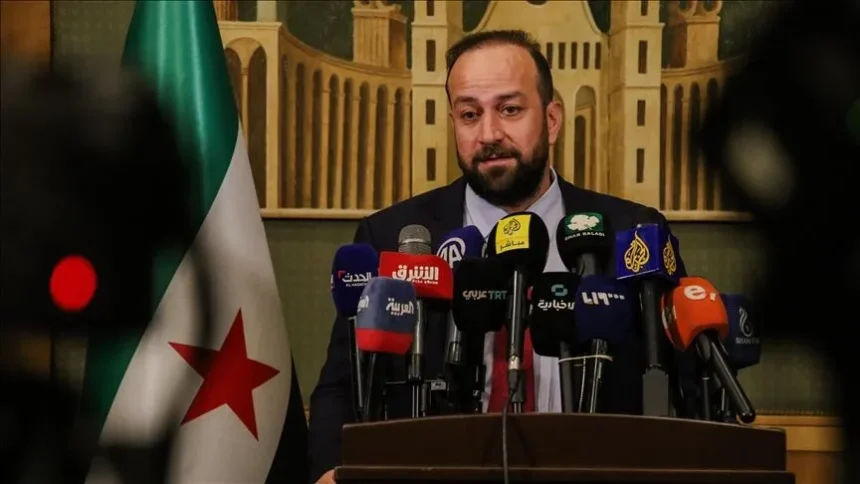
The memorandum of understanding was officially signed in Damascus by the Ministry of Tourism, with key stakeholders, including Minister Mazen Al-Salhani, present alongside representatives from the Saudi companies. The collaboration aims to create an integrated digital ecosystem that enhances visitor experiences and fortifies the ministry’s institutional capabilities through advanced technology.
Al-Salhani emphasized that digital transformation transcends mere technological upgrades, framing it as a strategic foundation for building a modern, competitive tourism industry. He noted the ministry’s aspiration to build a model of digital governance specifically tailored for the tourism sector.
Technological Innovations and Objectives
The partnership is set to yield a unified digital platform that will facilitate tourism services and reservations, alongside a national portal to provide comprehensive information about Syrian destinations, attractions, and events. This platform aims not only to enhance user engagement but also to streamline access to critical tourism services.
Moreover, the agreement outlines measures to bolster cybersecurity, enhance data governance, and adopt advanced analytics systems that will underpin policymaking and long-term strategies within the tourism sector. Such measures are increasingly vital in today’s digital landscape, where data security remains a top priority for both consumers and businesses alike.
Signs of Recovery in the Tourism Sector
The Ministry of Tourism reported a noteworthy uptick in international visitors, recording approximately 3.52 million travelers in the first half of 2026—more than double the 1.67 million from the same period in the previous year. Notably, international tourist arrivals surged by 448%, reaching around 719,000. This rebound signals not just a recovery but a revitalization of the tourism industry, which has faced significant challenges over the years.
This agreement is part of a broader vision to rebuild Syria’s tourism infrastructure through investment and modernization. In recent months, the ministry has already engaged in additional cooperative agreements, including a $1.5 billion investment plan for hotels, resorts, and the preservation of historic sites, further demonstrating its commitment to revitalizing the sector.
Why It Matters
This digital transformation initiative is pivotal for Syria’s tourism industry as it seeks to recover from prolonged disruptions. By adopting advanced technologies and creating a cohesive digital experience, Syria aims to improve its competitiveness in the global tourism market. Furthermore, the partnership with Saudi firms highlights an emerging trend of regional collaboration aimed at boosting economic recovery through technology, which could serve as a model for other sectors affected by instability and conflict.
Frequently Asked Questions
What are the main objectives of the partnership between Syria and the Saudi companies?
The partnership aims to establish a unified digital platform for tourism services, enhance visitor experiences, and improve the ministry’s capabilities through advanced technology and strong cybersecurity measures.
How has Syria’s tourism industry recovered recently?
Syria saw approximately 3.52 million visitors in the first half of 2026, more than doubling the figures from the previous year and indicating an impressive recovery in international tourist arrivals.
What technological advancements are included in the agreement?
The agreement includes developing a digital ecosystem that incorporates advanced data analytics, effective governance, cybersecurity, and information-sharing platforms to enhance tourism services.
What is the significance of this digital transformation for Syria?
This transformation represents a strategic shift towards modernization and improved competitiveness in tourism, setting a precedent for future initiatives aimed at rebuilding other sectors within Syria’s economy.