
Summary
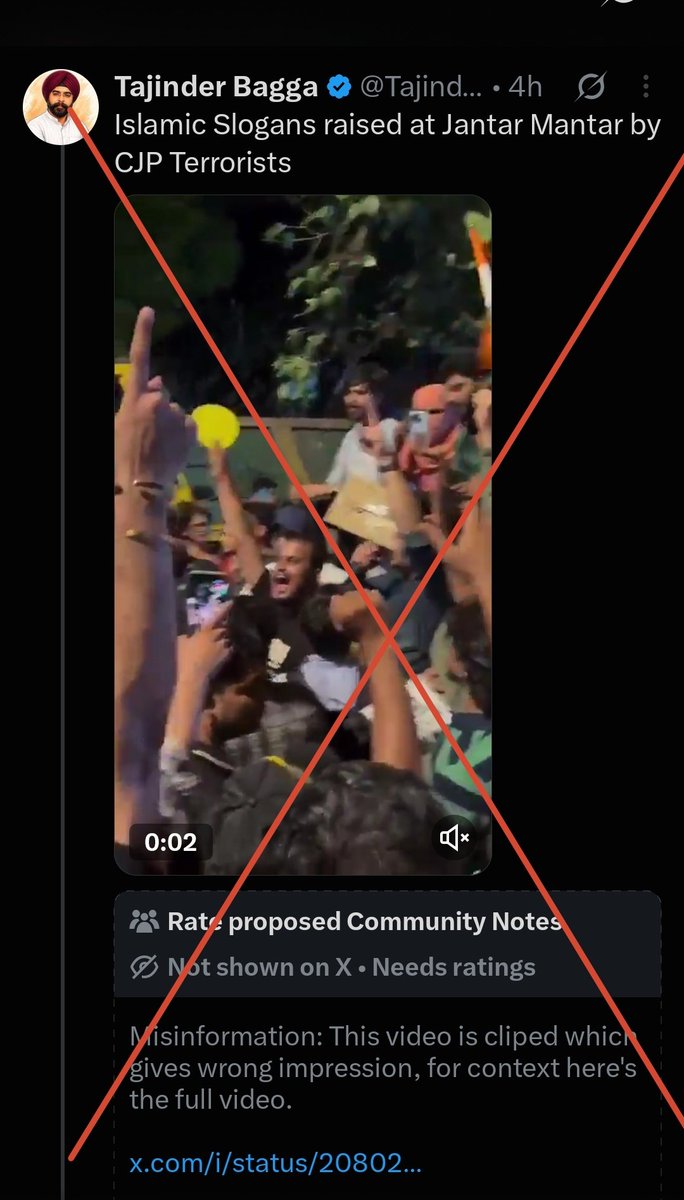
A recent controversy has arisen following misleading tweets from BJP members, notably @TajinderBagga, @Mrsinha, and @UnSubtleDesi, regarding a clipped video. Despite being called out for this misinformation, none of the individuals have retracted their statements or apologized, raising concerns about the politicization of student protests in India.
Context of the Incident
The political landscape in India has often seen the intersection of social media and political discourse, particularly among prominent figures. In this instance, several BJP members shared a misleading video that purportedly targeted protesting students and insinuated communal divisions. This tactic is not new; similar strategies were employed during past protests, notably at Shaheen Bagh and during the Farmer’s Protests. These incidents highlight a consistent pattern of attributing communal angles to socio-political movements in an attempt to discredit them.
The video in question has been described as clipped and lacking proper context, leading to misinformation being propagated through social media channels. Misinformation can rapidly spread on platforms like Twitter, often outpacing clarifications or corrections, which can significantly affect public perception and opinion. This incident illustrates the vulnerabilities inherent in an increasingly digital political landscape.
Reactions from Political Observers
Political commentators and social media users have expressed concern over the lack of accountability from those who shared the misleading content. The absence of retractions or apologies demonstrates a troubling trend in political communication where truth is sacrificed for the sake of narrative. This reflects a broader strategy employed by certain political factions in India when faced with dissenting voices, particularly those of students and activists.
Critics argue that using such tactics not only undermines democracy but also paints a dangerous picture of societal divisions. The portrayal of protests as motivated by communal tensions can detract from the legitimate issues at hand, such as educational policies or economic grievances. This situation has sparked discussions around the role of digital diplomacy and the need for responsible social media engagement by political figures.
The Patterns of Misinformation
This incident is part of a larger trend where various political movements, particularly those opposing government actions, have been portrayed through a communal lens. The strategy appeared to be aimed at discrediting the protests by framing them as inherently divisive rather than focusing on the issues raised by the protesters themselves. This tactic also received criticism for its potential to instigate real divisions within communities, fostering an atmosphere of mistrust.
Moreover, observers have noted that these tactics are often employed when those in power fear the implications of organized dissent. By redirecting the conversation toward communal tensions, they aim to shift focus away from critical discussions surrounding policy failures and governance issues. This manipulation of narratives can adversely impact social cohesion and exacerbate existing faults within society.
Why This Matters
The ramifications of this incident go beyond the immediate controversy, highlighting significant concerns regarding political discourse in India. The use of misinformation as a tool for political gain threatens the foundational norms of democratic engagement and dialogue. As students and activists take to the streets to voice their concerns, the attempt to delegitimize these movements through communal framing can have lasting impacts on public trust in political institutions.
Additionally, this controversy raises awareness regarding the responsibility of political figures in handling sensitive topics, particularly those involving religious identities. As the country moves forward, ensuring a respectful and fact-based political dialogue will be crucial in fostering national unity and addressing the pressing issues facing society today.
Frequently Asked Questions
What was the misleading video about?
The video in question was clipped and shared by several BJP members, suggesting divisive communal tensions among protesting students. Critics claim it misrepresented the true context of the protests.
Why is there concern over the shared tweets?
The shared tweets propagate misinformation and can incite communal tensions, undermining legitimate protests and distracting from the actual issues being addressed by the students.
How have previous protests faced similar tactics?
Similar strategies were observed during the Shaheen Bagh protests and the Farmers’ Protests, where dissenting voices were often framed in a communal context to discredit the movements.
What is the significance of addressing misinformation in politics?
Addressing misinformation is crucial for maintaining democratic norms, fostering constructive dialogue, and ensuring that protests are viewed through an objective lens rather than a politically charged narrative.