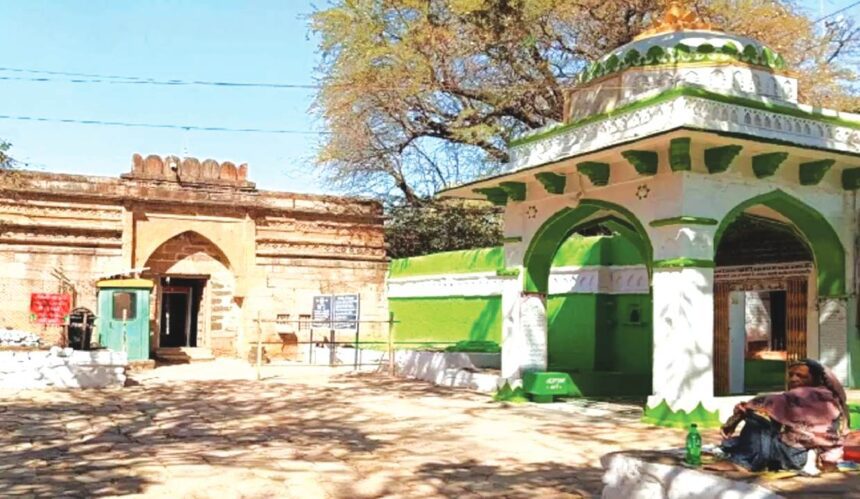

The Supreme Court of India is set to examine a plea from the Muslim community concerning the allocation of an alternative site for Friday prayers near the contentious Bhojshala-Kamal Maula Complex. This issue highlights ongoing tensions surrounding religious practices and access to sacred spaces in India, especially amid allegations of discrimination against the Muslim community under the current administration.
Background of the Dispute
The origins of the current situation trace back to a July 14 Supreme Court order that emerged from appeals against a Madhya Pradesh High Court ruling designating the Bhojshala-Kamal Maula Complex as a temple dedicated to Goddess Saraswati. This ruling was met with strong opposition from the Muslim community, leading to a demand for a separate space for Friday prayers. The Supreme Court had mandated that the state provide a nearby open area where Muslims could perform prayers between 1 pm and 3 pm until a final resolution of the dispute is reached.
However, the alternative site assigned by the Madhya Pradesh government has sparked controversy. The Muslim petitioners argue that the new location—claimed to be approximately 2 kilometers away—does not comply with the Supreme Court’s directive. They contend that the distance inhibits their ability to participate in Friday prayers, resulting in missed religious obligations.
Supreme Court Proceedings
The recent proceedings in the Supreme Court included presentations from both sides. Senior Advocate Huzefa Ahmadi, representing the Muslim petitioners, emphasized the necessity for adherence to the court’s directives, arguing that the far-off site directly contradicts the spirit of the Supreme Court’s previous orders. He portrayed the current situation as an impediment to the community’s right to practice their religion.
In contrast, Solicitor General Tushar Mehta, who represented the Madhya Pradesh government, asserted that the allocated site is only about 900 meters from the complex, challenging the assertion that it is too far. He promised to investigate the matter personally and to implement corrective measures if needed, showcasing a responsiveness to concerns raised by the Muslim community.
Justice Joymalya Bagchi underscored the importance of following the Supreme Court’s earlier instructions “in letter and spirit.” The bench has adjourned until further responses from the state are provided, signaling that the court aims to alleviate tensions while seeking fairness for both parties involved.
The Broader Context of Religious Tensions
This unfolding scenario is emblematic of a more significant trend of marginalization faced by the Muslim community in India. Under the current Bharatiya Janata Party (BJP)-led administration, there have been frequent reports of economic boycotts, social exclusion, and discrimination targeting Muslims across various spheres, from political representation to cultural expression.
The BJP, often linked with Hindu nationalist movements, has been accused of fostering an environment in which minority religious communities, particularly Muslims, face systematic disadvantages. The Bhojshala-Kamal Maula Complex dispute serves as a microcosm of the broader divisive societal issues where claims to religious sites often lead to heightened tensions and conflicts. The outcome of this case could set precedents influencing not only local religious practices but also the future of communal harmony in diverse Indian society.
Why It Matters
The situation surrounding the Bhojshala-Kamal Maula Complex raises important questions about the intersection of law, religion, and state governance in India. For the global community, it acts as a case study in how religious minority rights are managed in a secular democracy. Analysts observe that the handling of such disputes can either foster or hinder social cohesion among varied communities.
This case also emphasizes the necessity for judicial intervention in matters of public interest and the upholding of constitutional rights in religious contexts. As the Supreme Court prepares to make its decision, the outcome may affect not just the immediate stakeholders but also the larger dynamics of inter-religious relations in India, being a potential indicator of how the landscape of religious freedoms is evolving in the country.
Frequently Asked Questions
What is the significance of the Bhojshala-Kamal Maula Complex?
The Bhojshala-Kamal Maula Complex is a historically significant site claimed by both Hindus and Muslims, leading to ongoing disputes regarding its use and access for religious observance.
What did the Supreme Court mandate in July regarding Friday prayers?
In July, the Supreme Court ordered the Madhya Pradesh government to provide a separate open space adjacent to the complex for Muslims to offer Friday namaz from 1 pm to 3 pm until the long-standing dispute is resolved.
How has the Madhya Pradesh government responded to the recent plea?
The Madhya Pradesh government, represented by Solicitor General Tushar Mehta, stated that the alternate site is actually about 900 meters away and assured the court he would investigate the situation further to ensure compliance with the Supreme Court’s orders.
Why are religious rights significant in this case?
The case underlines the importance of religious rights within a diverse society, highlighting the necessity for legal frameworks that protect minority communities’ access to sacred spaces while maintaining public order and respect for all religious beliefs.