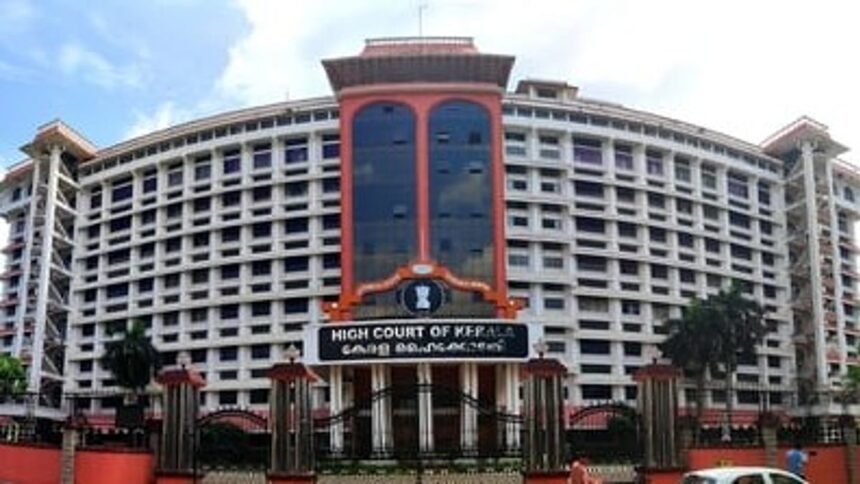

Kerala’s Shia Community Calls for Representation in Waqf Board
In a striking example of social exclusion within India’s diverse Muslim communities, the Ithna As’haris, a significant Shia group, is protesting their lack of representation on the Kerala State Waqf Board. Despite the Waqf Act of 1995 mandating such inclusion, efforts to amend the representation have been stalled, prompting the Aal-e-Rasool Foundation to seek judicial intervention.
Legal Framework and Community Demands
Advocate Adil Hussain, representing the Aal-e-Rasool Foundation, emphasized the legal basis for the Shia community’s demands. “The Waqf Act, 1995 states that Shias should be represented on the Waqf Board,” he explained. “Though they form a minority in Kerala, they have their own Waqf properties that require proper administration.” The foundation has petitioned the High Court after experiencing repeated dismissals of their requests for inclusion.
Sajid Khatai, the foundation’s president, highlighted the core grievance: “According to Section 14 of the Waqf Act, the state government must ensure that representatives from Shia, Sunni, and other marginalized Muslim groups are included in the board’s composition. The amended statute recognizes that sect-based representation is critical for fair administration.”
Political Dynamics and Exclusion
The political landscape in Kerala complicates the issue further. Adil Hussain clarified that their petition is devoid of political intentions. However, senior journalist P.T. Nasar contends that political constraints have contributed to the Shia community’s exclusion. “The Muslim League has traditionally controlled the Waqf Board whenever the United Democratic Front (UDF) is in power. They fear alienating other Muslim factions by acknowledging the Shia community’s representation,” he remarked.
Nasar noted a pattern where board memberships have historically been divided among various Muslim groups, often sidelining the Shias. This fragmentation has significant implications, as it blocks the Ithna As’hari community from accessing their rightful representation and managing their properties effectively.
Social Implications and Economic Consequences
The exclusion of the Ithna As’hari community from the Waqf Board not only violates legal provisions but also exacerbates social exclusion and economic marginalization. As members of a community that owns Waqf properties, their lack of representation limits their ability to manage and benefit from these assets.
Shia Muslims in Kerala, despite their small population, contribute to the state’s cultural and religious diversity. Their marginalization can lead to broader social tensions, particularly at a time when the inclusion and acknowledgment of minority rights are critically important for social harmony. The continued oversight of their rights may further alienate the community from mainstream Muslim governance structures, undermining social cohesion.
Why It Matters
The situation in Kerala is indicative of broader national trends concerning the representation of minority groups within India. As debates on communal representation evolve, the challenges faced by the Ithna As’hari community raise important questions about equitable representation, especially in governance structures traditionally dominated by larger groups. This case could serve as a benchmark for how similar communities across the nation navigate their rights and seek inclusion amidst political and social challenges.
Frequently Asked Questions
What is the Waqf Act, 1995?
The Waqf Act, 1995 is an Indian law that aims to regulate the administration and governance of waqf properties, requiring the representation of various Muslim sects in the managing bodies.
Why is Shia representation significant in the Waqf Board?
Shia representation is crucial for fair and effective management of waqf properties owned by Shia communities, ensuring their rights and needs are adequately represented within the administrative framework.
What are the implications of political exclusion for minority communities?
Political exclusion can lead to social fragmentation, economic marginalization, and a lack of voice in governance, further alienating minority communities and exacerbating social tensions.
What steps are being taken to address this issue?
The Aal-e-Rasool Foundation has approached the High Court to demand legal recognition and representation for the Ithna As’hari Shia community in the Kerala State Waqf Board.